Picking out the best Pool Water Disinfectant for buying in bulk in 2026 isn’t just about comparing prices per kilogram. If you’re managing a big facility, things like steady sanitation, predictable dosing, safe storage, and a reliable supplier are actually way more important. Just because a certain product works great in a hotel pool doesn’t mean it’ll perform the same in a busy aquatic center without some tweaks.
Dr. Michael Beach, a well-known expert on healthy water from the CDC, once said, “We all share the water we swim in, and we all have a responsibility to keep it healthy.” That really hits home, especially for those of us making purchasing decisions. Sure, the chemical’s effectiveness matters — but factors like how the water circulates, filtration systems, testing routines, and how well the staff is trained all play huge roles.
Honestly, there’s no one-size-fits-all product that works perfectly everywhere.
In this guide, we’ll look into chlorine-based options like calcium hypochlorite, sodium hypochlorite, and stabilized chlorine, along with some alternative systems used by those in the commercial scene. We’ll consider things like active concentration, pH effects, managing cyanuric acid, compatibility with dosing equipment, and how easy it is to store each product. These details really matter because they impact daily performance and can affect your long-term costs.
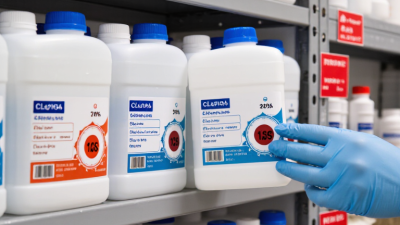
If you’re buying in bulk, make sure to check certificates of analysis, batch consistency, safety data sheets, minimum order quantities, lead times, packaging quality, and the kind of technical support you can get. It might seem tempting to go for the lowest quote, but that can backfire if containers arrive damaged or if dosing is inconsistent from batch to batch.
There’s also an unfortunate truth: some folks still focus way too much on the unit price alone. But that approach can overlook hidden costs like extra labor, water adjustments, wear and tear on equipment, and downtime. The cheapest disinfectant up front might actually end up costing you more in the long run.
The best way to pick the right product? Run site trials, keep detailed water testing, and ask for references from other buyers. This article is just a helpful framework — not a universal rule. Every site is different, and so should your purchasing decisions be.
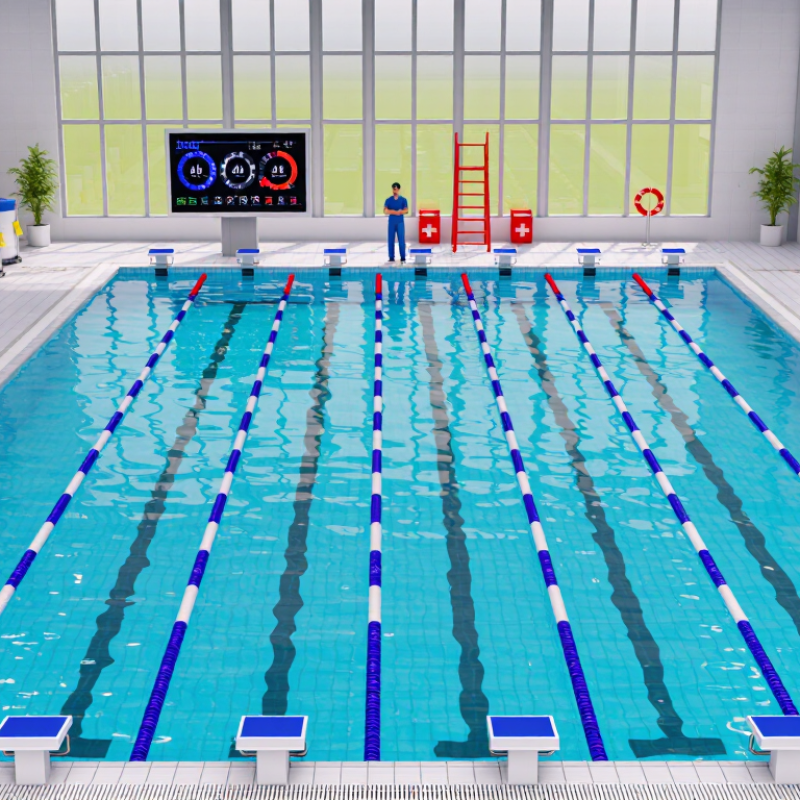
For bulk buyers, Sodium Hypochlorite Disinfectant Solution should be judged by measurable performance, not only available chlorine.
CT means disinfectant concentration multiplied by contact time. A 2 mg/L free-chlorine level acting for 10 minutes creates a CT value of 20 mg·min/L. The CDC Model Aquatic Health Code (MAHC), 2023 edition, uses CT principles for difficult pathogen-control decisions, especially after contamination events. Routine pool operation still requires stable pH, circulation, filtration, and verified free chlorine.
ORP shows oxidation strength in real time.
Many MAHC-based operating specifications target approximately 650–750 mV, but ORP is not a direct substitute for chlorine testing. High cyanuric acid, pH drift, temperature, and sensor fouling can distort readings. A clean-looking dashboard can still mislead. The CDC MAHC commonly places free chlorine around 1–3 mg/L for pools and 2–5 mg/L for spas, with pH generally maintained near 7.2–7.8. Buyers should request calibration records and independent test results.
Log reduction expresses pathogen removal mathematically.
The U.S. Environmental Protection Agency’s drinking-water guidance commonly evaluates treatment through log-removal targets, while the CDC MAHC applies risk-based aquatic controls. These frameworks are not interchangeable. Ask suppliers to disclose concentration, contact time, temperature, pH, and tested organism. One missing variable weakens the claim.
For a shipment arriving warm, a practical acceptance check should compare assay strength, ORP response, and free-chlorine recovery after dosing. Performance varies. That deserves a written specification.
For 2026 bulk purchasing, the best pool disinfectant is not simply the cheapest container. Start with a measurable chlorine baseline: 1–3 ppm free chlorine and pH 7.2–7.8, as CDC guidance recommends. This range supports sanitation while limiting unnecessary swimmer irritation and equipment stress. Test every delivery batch with a reliable kit before dosing. Labels, concentration, expiry date, and storage temperature matter. Strength can decline in heat. Do not assume identical results across suppliers.
Tips: Compare active concentration, stability, dosing method, and total cost per treated cubic meter. Liquid chlorine may suit frequent dosing, while solid forms can simplify transport. The right choice depends on pool volume, turnover, sunlight, and staff skill.
Ask for a certificate of analysis and batch traceability. Keep containers shaded, ventilated, and upright. Never store disinfectants beside acids or fuels. Calibrate feeders regularly. Record free chlorine, pH, water temperature, and dosing time.
Real-world performance is messier. High bather loads, rain, and sunlight can consume chlorine quickly. A low purchase price may hide higher dosing needs or delivery losses. In practical facility management, small pilot orders often reveal these problems early. Review seven days of test records before expanding volume. Perfect forecasts are rare. Use site records, not assumptions.
For bulk pool buyers, bromine remains a practical disinfectant for warm water and indoor facilities. A useful operating target is 3–5 ppm residual bromine, while pH should stay between 7.2 and 7.8, consistent with CDC aquatic-health guidance. At 7.2, bromine works efficiently, but readings near 7.8 may require closer monitoring. Water can look clear and still carry contamination.
The CDC’s Model Aquatic Health Code and Healthy Swimming guidance stress frequent testing, accurate records, and rapid correction of unsafe readings. CDC inspection data found that about one in eight public pools required immediate closure during inspections. That figure shows why bulk purchasing should include test kits, dosing equipment, and staff training. The Pool & Hot Tub Alliance also emphasizes maintaining sanitizer and pH within controlled ranges to support swimmer safety and equipment protection. Bromine usually lasts longer than chlorine in warm water, although it may cost more per treatment cycle. That trade-off deserves a site-specific calculation.
Tips: Test before opening and during peak use. Keep spare reagents dry and within expiry dates. Record water temperature, bromine, pH, and corrective actions. Do not trust one reading; retest after adjustment. Some facilities may discover their 3–5 ppm target is too narrow during heavy bather loads. Review it with a qualified aquatic professional and the applicable local health authority.
2026 Best Pool Water Disinfectant for Bulk Buyers?
Salt chlorination deserves close attention when buyers compare pool disinfection systems for 2026. It does not remove chlorine from pool care. Instead, an electrolytic cell converts dissolved salt into chlorine during circulation. The usual salt level ranges from 2,500 to 4,500 ppm. That equals roughly 2.5 to 4.5 kilograms of salt per 1,000 liters of water.
Water should feel almost fresh, not ocean-like. However, the target depends on the equipment design. Bulk buyers should check the required salinity before ordering pallets of salt or complete systems. A lower level may reduce chlorine output. Excess salt can increase corrosion risks around metal fixtures, ladders, heaters, and poorly protected electrical parts. A simple conductivity reading is useful, but a calibrated salt test adds confidence.
Operational details matter more than brochure claims. Test free chlorine, pH, and salinity regularly, especially after heavy rain or pool draining. Keep pH controlled because salt systems still require balanced water. The cell also needs inspection for scale. A thin white coating can reduce performance and shorten service life. Cold water may lower chlorine production, depending on the controller.
The range is practical, but not universal. I would avoid treating 3,500 ppm as a fixed rule. Site water, swimmer load, climate, and cell capacity all change the result. One overlooked issue is replacement planning. A low purchase price can become expensive when cells, sensors, and control parts fail early. Reliable bulk decisions require test data, installation guidance, and clear maintenance records.
For bulk buyers in 2026, Sodium Hypochlorite Disinfectant remains a practical primary disinfectant for large pool systems. It is widely available, measurable, and easy to automate. The CDC’s 2023 Model Aquatic Health Code recommends maintaining at least 1 ppm free chlorine in pools. Hot water systems generally require 3 ppm because heat accelerates contamination risks.
UV or ozone can strengthen this treatment strategy. They are secondary barriers, not replacements for chlorine residual. UV acts inside the treatment chamber, while ozone oxidizes contaminants before water returns to the pool. Neither method reliably protects swimmers after treated water enters pipes, balance tanks, or crowded swimming areas. That residual matters.
Targeting 1–3 ppm free chlorine provides a practical operating range. WHO guidance links effective disinfection with controlled chlorine levels, suitable pH, and adequate contact time. Operators should verify results with calibrated instruments, not rely only on dosing-pump settings. A clear pool can still contain microbiological risks. It happens.
For bulk purchasing, buyers should evaluate concentration, storage stability, delivery temperature, and dosing compatibility. A 20-liter container may look economical, but degraded chemical strength creates hidden costs. UV lamps also need cleaning and scheduled replacement. Ozone systems require ventilation and trained maintenance. I have seen projects overvalue advanced equipment and undervalue daily testing. That is an expensive lesson. Research reports and site records should guide the final design.
2026 Best Pool Water Disinfectant for Bulk Buyers?
Model Bulk Economics: Cost per 1,000 Gallons and Active-Chlorine Dose
For bulk buyers, the best Disinfectant is not automatically the cheapest drum. Compare delivered cost per 1,000 gallons, not container price. A practical model starts with active chlorine. One ppm in 1,000 gallons requires about 3.78 grams of available chlorine. A 10 ppm treatment therefore needs about 37.8 grams. With a 65% granular product, the calculated dose is roughly 58 grams before field losses.
Use this formula: product cost per kilogram multiplied by required product kilograms. In this example, 58 grams equals 0.058 kilograms. If the material costs four dollars per kilogram, the theoretical treatment cost is about 23 cents per 1,000 gallons. Real pools need more. Sunlight, organic waste, heat, and poor storage consume chlorine. Liquid hypochlorite can simplify dosing, but its concentration may decline during storage. Granular material can reduce freight water, yet moisture creates handling problems.
Measure, then adjust. A field log should record free chlorine, pH, temperature, and post-dose demand. Bulk purchasing models often fail when they ignore residual testing. That is an expensive blind spot. Keep pH within local health guidance, and verify available-chlorine strength through current supplier documentation. Contracts should define concentration, shelf life, packaging, and delivered weight. The lowest invoice may not provide the lowest usable dose.
| Disinfectant type | Modeled bulk price | Typical available chlorine | Product dose for +1 ppm free chlorine per 1,000 gal | Modeled cost for +1 ppm | Modeled cost for +10 ppm | Key water-chemistry consideration |
|---|---|---|---|---|---|---|
| Sodium hypochlorite (liquid chlorine) | $2.50 per US gal | 12.5% by weight; calculation assumes solution density of 10 lb/gal | 0.0067 gal (about 0.85 fl oz) | $0.017 | $0.17 | Adds no cyanuric acid or calcium hardness. Strength declines during storage, especially with heat and time. |
| Calcium hypochlorite (cal-hypo) | $3.50 per lb | 65% available chlorine | 0.0128 lb (about 0.21 oz by weight) | $0.045 | $0.45 | Adds calcium hardness and can raise pH; monitor hardness to help avoid scaling. |
| Trichloroisocyanuric acid (trichlor) | $4.50 per lb | 90% available chlorine | 0.0093 lb (about 0.15 oz by weight) | $0.042 | $0.42 | Stabilized chlorine: adds cyanuric acid over time and lowers pH. Use only with equipment and feeders approved for trichlor. |
| Sodium dichloroisocyanurate (dichlor) | $4.00 per lb | 56% available chlorine | 0.0149 lb (about 0.24 oz by weight) | $0.060 | $0.60 | Stabilized chlorine: adds cyanuric acid with repeated use. Track stabilizer levels and follow the product label for application. |
Model basis: Costs are illustrative bulk-buying assumptions, not quoted 2026 market prices; actual delivered cost varies by region, order size, concentration, freight, storage, and supplier. Dose calculations use 1 US gallon = 8.34 lb of water and treat the stated available-chlorine percentage as the basis for raising free chlorine by the target amount.
Buying takeaway: Under these assumptions, liquid chlorine has the lowest modeled cost per chlorine dose, while trichlor is close on cost but adds stabilizer and lowers pH. Compare delivered cost per unit of available chlorine and account for storage life, handling, and the pool’s existing chemistry.
Safety: Follow the product label and applicable pool regulations. Never mix chlorine products or combine them with acids; keep products dry, separated, and properly ventilated.
For bulk pool buyers in 2026, low price should not lead the decision. A Disinfectant Tablet must be evaluated through documentation, not packaging claims.
In the United States, confirm an active EPA registration for the exact product, formulation, use site, and directions. The EPA registration number should match the label supplied with every shipment. Ask for the current approved label, not an old sales sheet. Check the registrant, production lot, shelf life, and storage instructions. Small mismatches can create large compliance problems.
Request a current Safety Data Sheet before purchase. Keep it accessible to staff, carriers, and emergency responders. Review hazard classifications, first-aid steps, protective equipment, transport details, and incompatibilities.
Never store oxidizing tablets beside acids, fuels, or combustible materials. Local health departments, fire authorities, and wastewater rules may add requirements. Commercial pools can also face inspection records, operator certification, testing schedules, and storage limits. Requirements vary by location. Confirm them in writing.
Tips: Build a verification file for each lot. Include the label, EPA record, SDS, certificate of analysis if available, invoice, and delivery photos. Have a qualified pool operator compare tablet strength with the dosing plan. Test water onsite and document results. One practical lesson is easy to miss: supplier assurances are not proof of compliance. Paperwork can look complete while the label version is outdated. Recheck everything before a large order or site change.
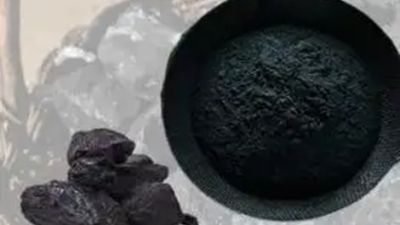
China-based activated carbon suppliers provide factory-direct purification solutions for demanding water and air treatment applications. Made from carefully selected coconut shell and coal, this premium carbon is manufactured under controlled production processes to deliver consistent quality, high adsorption capacity, and reliable performance. Its extensive microporous structure creates a large active surface area, helping remove organic compounds, odors, chlorine, color, and other unwanted contaminants from industrial and commercial streams.
Available in granular activated carbon (GAC), powdered activated carbon (PAC), and pelletized forms, these products can be matched to different equipment designs and operating conditions. GAC is suitable for fixed-bed water filters and gas-treatment systems, while PAC supports rapid dosing and contaminant control in liquid processes. Pelletized carbon offers efficient airflow and low pressure drop for air and gas purification. Applications also include food and beverage processing, medical purification, and responsible precious-metal recovery, with product specifications tailored to adsorption targets, flow rates, and regeneration requirements. Direct factory supply helps provide stable production capacity, technical coordination, and dependable quality for customers seeking long-term activated carbon solutions.
Maintain 1–3 ppm free chlorine in typical pools. Hot water systems may require about 3 ppm. Test the water directly.
Keep pH between 7.2 and 7.8. High or low pH can reduce comfort and treatment performance.
Compare active concentration, stability, dosing method, storage needs, and total cost per treated cubic meter. The cheapest container may need more product.
Yes. Check concentration, label details, expiry date, and batch information. Chemical strength can decline after heat exposure.
No. They provide secondary treatment, not lasting protection in pipes or crowded pool areas. A chlorine residual still matters.
Record free chlorine, pH, water temperature, dosing time, and equipment settings. Small details reveal problems later.
Keep containers upright, shaded, ventilated, and away from acids, fuels, and combustible materials. Storage temperature deserves attention.
Request the current label, safety data sheet, lot details, storage instructions, and a certificate of analysis when available. Check every shipment.
A pilot order can expose dosing losses, weak concentration, or delivery problems. Review seven days of test records before expanding.
Heavy swimmer loads, rain, sunlight, and poor testing can consume chlorine quickly. Clear water is not proof of safe water.
Choosing the best Pool Water Disinfectant for bulk purchasing in 2026 requires more than comparing unit prices. Buyers should evaluate performance through CT values, ORP, and log-reduction targets, while maintaining a chlorine baseline of 1–3 ppm free chlorine and pH 7.2–7.8. Bromine may be suitable where a 3–5 ppm residual is preferred, with the same pH range. Salt chlorination should also be assessed by its operating salt level, typically about 2,500–4,500 ppm in pool water.
UV and ozone can provide valuable secondary treatment, but they should support—not replace—a consistent 1–3 ppm chlorine residual. For bulk economics, calculate treatment cost per 1,000 gallons, active-chlorine dosage, delivery, storage, and labor requirements. Before purchasing, verify applicable 2026 requirements, including EPA registration where relevant, current safety data, labeling, staff handling procedures, and local health or construction codes. A balanced decision should prioritize verified disinfection performance, operational stability, safety, and total cost of ownership.