Choosing the right Textile Finishing Agent can seriously make or break whether a fabric actually performs well in the real world—or if it’s just gonna fall flat after a few washes. Nowadays, buyers around the globe aren’t just looking at how nice the fabric looks; they’re checking for softness, how well the color holds up, moisture-wicking capabilities, resistance to pilling, odor control, and consistent quality during production. Honestly, having a gorgeous sample isn't enough anymore.
Dr. A. K. Choudhury, a well-known expert in textile finishing, always says, “Finishing is the last chance to add real value to a textile.” And honestly, his advice still hits the mark. Whether you're comparing silicone softeners, water repellents, flame retardants, antimicrobial finishes, resin treatments, or greener, bio-based options—each choice affects how the fabric feels, looks, how it’s processed, and its environmental footprint.
Performance—sometimes—that's what truly counts.
But let’s be real: making a smart buying decision isn’t just about picking the cheapest option. You need to dig into technical data sheets, lab test results, declarations about restricted substances, and clear instructions on how to apply the finish. It's crucial to ask yourself: how does it hold up after washing, rubbing, exposure to heat, or when it's stored away? And can the supplier deliver consistent quality across multiple production lots? Those are the questions that really matter.
Let’s talk about cost for a sec. It can be pretty misleading. A cheaper finish might actually need a higher dosage, cause uneven effects, or even lead to more waste during reprocessing. On the flip side, a fancy, more expensive product isn’t guaranteed to work if it’s not cured properly or tested for compatibility. In this guide, we’ll compare the top Textile Finishing Agents for 2026, focusing on how they perform day-to-day, their sustainability claims, the risks for buyers, and whether they’re suitable for industrial-scale use.
Of course, this isn’t a perfect crystal ball. Textile technologies evolve fast, and regional needs can vary a lot. Some recommendations might need updating as testing methods improve, customer expectations shift, and safer, more eco-friendly chemistry gets developed. So, if you’re making large purchases, it’s always best to verify every claim yourself before jumping in.
All in all, choosing the right finishing agent is a balancing act—performance, safety, cost, and environmental impact all matter. Do your homework, ask lots of questions, and don’t settle for the first thing that looks good on paper.

Textile finishing agents are chemical or functional treatments applied after dyeing, printing, or fabric formation. They can improve softness, wrinkle recovery, water control, abrasion resistance, or dimensional stability. A Crosslinking Agent, for example, helps cotton fibers hold their shape after washing. The result is practical: fewer deep creases, a smoother surface, and more consistent measurements.
The scale makes this work important. Textile Exchange’s Materials Market Report 2024 estimated global fiber production at 124 million tonnes in 2023. It projects about 160 million tonnes by 2030. Even a small finishing mistake can affect thousands of rolls. UNEP reports that textiles create roughly 2–8% of global greenhouse gas emissions. Finishing choices influence energy use, wastewater treatment, durability, and product rejection. In mill trials, overdosing softener may create a greasy handle. Underdosing can leave fabric harsh. Neither result is acceptable.
Tips: Test the agent on the actual fiber blend, not only a laboratory swatch. Check pH, curing temperature, drying time, and wash durability. Ask suppliers for technical data, restricted-substance declarations, and batch consistency records. Small pilot runs reveal problems earlier. They also expose assumptions. A fabric may feel excellent today, yet lose performance after five washes. Buyers should compare hand feel with tensile strength, shrinkage, colorfastness, and wastewater requirements. The cheapest formula is not always the lowest-cost choice. Sometimes, it is merely the least tested.
Textile finishing agents are best classified by the performance they create. This approach helps global buyers compare products more accurately. Softening agents improve hand feel, drape, and surface smoothness. They may be silicone-based, fatty-acid-based, or polymeric. Each type behaves differently on cotton, polyester, and blended fabrics.
Water-repellent agents reduce liquid penetration on outdoor and workwear fabrics. Soil-release agents help oily stains wash away more easily. Antistatic agents reduce cling and dust attraction, especially on synthetic fibers. Wrinkle-resistant finishes improve crease recovery through controlled crosslinking. Other functional groups include antimicrobial, flame-resistant, moisture-management, and anti-pilling agents. Performance claims should match verified test results.
Test the fabric, not only the chemical.
In mill trials, dosage, bath pH, curing temperature, and fabric weight can change the final result. A softener may reduce absorbency, while a durable water repellent may affect breathability. These trade-offs deserve written records. Buyers should request technical data sheets, safety data sheets, restricted-substance declarations, and application guidance. They should also check destination-market requirements before approval.
The categories are useful, but not perfectly separate. One finish can provide softness, antistatic behavior, and limited water resistance at once. I have found that laboratory results sometimes look stronger than bulk production results. Small-scale trials, repeated washing, and third-party testing provide more reliable evidence. A practical classification should therefore include function, fiber compatibility, durability, environmental profile, and processing risk.
Choosing a textile finishing agent starts with fiber chemistry, not fashion trends. The Textile Exchange Materials Market Report 2024 estimates global fiber production reached about 124 million tonnes in 2023. Polyester represented the largest share, while cotton remained highly important.
Polyester fabrics often need durable hydrophilic finishes, antistatic agents, or soil-release treatments.
Cotton usually benefits from softeners, easy-care resins, and low-yellowing finishes. However, excessive softener can reduce absorbency. That mistake still appears in production trials.
For wool, protein-friendly softeners and controlled shrink-resist treatments help preserve a warm, natural handle. Silk needs mild finishes because strong alkalinity can damage its luster and strength. Cellulosic fibers, including viscose and lyocell, require careful crease-control systems. Their wet strength and surface fibrillation can change after finishing.
The International Textile Machinery Federation and AATCC test methods support checking abrasion, colorfastness, absorbency, and dimensional stability before approval. A finish that feels excellent after one wash may fail after ten.
Tips:
Test the agent on the actual fabric construction, not only the fiber label. Record pH, curing temperature, wet pickup, and washing cycles. For sportswear, measure moisture management after repeated laundering. For home textiles, prioritize softness without sacrificing tensile strength.
The Global Organic Textile Standard also restricts certain chemical inputs, so compliance review should happen before bulk production. Lab data guides decisions, but operator experience still matters.
Wax-based finishes may improve hand feel, yet they can reduce rewetting. That trade-off deserves a second look.
Manufacturers select textile finishing agents by starting with fabric behavior, not catalog claims. During trials, technicians check absorbency, handle, shade, shrinkage, and surface appearance. An absorbent cotton shirt may need a softener that preserves moisture transport. A polyester sports fabric may require a hydrophilic finish instead. Small differences matter.
Production teams also review process temperature, bath stability, dosage, and equipment compatibility. A Bleaching Agent used during preparation can change fiber strength and affect later finishing performance. Technicians should test the complete process, not one chemical in isolation. Lab samples need repeated washing, rubbing, and perspiration tests. Results should be recorded with fabric weight, liquor ratio, and curing conditions.
Safety documentation and regional chemical requirements influence purchasing decisions. Reliable suppliers provide current technical data, hazard information, traceability, and consistent batch specifications. Yet no formula is perfect. Some finishes feel excellent after curing but lose performance after several washes. We sometimes trust a smooth hand too quickly. That mistake can appear weeks later in bulk production. A careful manufacturer compares performance, worker safety, wastewater control, and total cost before approving the final recipe.
Practical comparison of major textile finishing agent categories based on fiber compatibility, required performance, process conditions, durability, compliance, and production risk.
| Finishing Agent Type | Typical Fiber or Product Application | Main Functional Benefit | Common Chemical Basis | Typical Application Stage | Durability Considerations | Key Production Selection Factors | Common Performance Checks | Priority for Buyers |
|---|---|---|---|---|---|---|---|---|
| Softeners | Cotton, viscose, modal, polyester, polyamide, blends, towels, knitwear, and apparel | Improves hand feel, flexibility, drape, and surface smoothness | Silicone emulsions, fatty-acid derivatives, or cationic and nonionic softening systems | Exhaust, padding, or coating after dyeing and washing | Depends on fiber affinity, curing, washing conditions, and the selected softener type | Target handle, shade change, absorbency, yellowing risk, shear stability, and compatibility with resins or repellents | Handle evaluation, absorbency, shade change, wash durability, yellowing, and fabric appearance | High |
| Wrinkle-Resistant and Easy-Care Resins | Cellulosic fabrics such as cotton, linen, lyocell, viscose, and their blends | Improves crease recovery, dimensional stability, and easy-care performance | Crosslinking resin systems, commonly based on modified aminoplast chemistry or low-formaldehyde alternatives | Padding followed by drying and curing | Performance is influenced by curing conditions, resin add-on, fabric strength, and laundering severity | Formaldehyde compliance, strength loss, shade change, curing temperature, fabric weight, and required crease recovery | Formaldehyde release, wrinkle recovery angle, tensile strength, tear strength, shrinkage, and wash durability | High |
| Water-Repellent Finishes | Outdoor apparel, workwear, upholstery, tents, luggage, and technical fabrics | Reduces wetting and water penetration while maintaining fabric comfort when properly formulated | Fluorine-free hydrocarbon, silicone, dendrimer, or other water-repellent polymer systems | Padding, spraying, or coating followed by drying and heat activation where required | Can decline through laundering, abrasion, contamination, and inadequate curing | Fluorine-free requirements, spray rating, hydrostatic pressure needs, breathability, hand feel, and curing capability | Spray rating, hydrostatic pressure, air permeability, water-vapor transmission, laundering, and abrasion resistance | High |
| Oil- and Soil-Release Finishes | Polyester, polyester/cotton workwear, uniforms, upholstery, and performance apparel | Helps oily soils and stains release during laundering and reduces resoiling | Hydrophilic polymers, modified polyester copolymers, or polymeric soil-release systems | Padding or exhaustion, generally after dyeing and cleaning | Durability depends on polymer fixation, laundering conditions, and fabric surface structure | Fiber content, soil type, absorbency balance, compatibility with softeners, and required laundering durability | Oil-release testing, soil-release rating, rewettability, wash durability, and whiteness retention | Medium to High |
| Antimicrobial Finishes | Socks, sportswear, medical textiles, bedding, workwear, and odor-control products | Inhibits the growth or activity of selected microorganisms on the textile surface | Silver-based systems, quaternary ammonium compounds, polyhexamethylene biguanide, chitosan, or other regulated active systems | Padding, exhaustion, coating, or incorporation during fiber or polymer manufacture | Activity may decrease through washing, abrasion, exposure to chemicals, and loss of active agent | Target microorganism, regulatory status, skin-contact requirements, release behavior, odor claims, and wash durability | Quantitative or qualitative antimicrobial testing, laundering durability, active-substance release, and skin-safety assessment | Specialized |
| Flame-Retardant Finishes | Protective clothing, curtains, upholstery, transport textiles, and industrial fabrics | Reduces flame spread, ignition tendency, or after-flame time when the complete product meets the applicable standard | Organophosphorus compounds, nitrogen-phosphorus systems, inorganic compounds, or inherently flame-resistant polymers | Padding, coating, exhaustion, or fiber-stage incorporation | Durability varies widely between durable and non-durable systems and depends on laundering or dry-cleaning exposure | End-use hazard, applicable regional standard, fabric construction, smoke and toxicity considerations, hand feel, and strength retention | Vertical flame, limiting oxygen index, heat release, after-flame, afterglow, and laundering durability tests | Specialized |
| Anti-Static Finishes | Polyester, polyamide, acrylic, synthetic carpets, linings, uniforms, and cleanroom textiles | Reduces electrostatic charge accumulation and improves dust-control behavior | Hygroscopic polymers, conductive polymers, quaternary ammonium compounds, or antistatic surfactant systems | Padding, spraying, coating, or fiber-stage treatment | Performance is affected by humidity, laundering, abrasion, and surface contamination | Target surface resistivity, humidity range, fabric moisture regain, cleanroom requirements, and compatibility with repellents | Surface or volume resistivity, charge decay, electrostatic voltage, dust attraction, and wash durability | Medium |
| Hydrophilic or Moisture-Management Finishes | Polyester sportswear, activewear, underwear, microfiber fabrics, and technical knits | Improves wetting, spreading, wicking, and moisture transport across the fabric surface | Hydrophilic polymers, surfactant-modified polymers, or moisture-management copolymers | Padding, exhaustion, coating, or fiber modification | Durability depends on polymer fixation, fiber cross-section, fabric construction, detergent exposure, and competing finishes | Wicking target, drying speed, absorbency, hand feel, odor-control claims, and compatibility with water repellents | Vertical wicking, horizontal spreading, drying rate, absorbency, moisture management, and laundering durability | High |
| Anti-Pilling Finishes | Polyester, acrylic, wool, viscose, fleece, jersey, and blended knit fabrics | Reduces the formation or visibility of pills caused by fiber migration, abrasion, and entanglement | Film-forming polymers, surface lubricants, enzymes for selected cellulosic products, or combinations of process treatments | Padding, coating, exhaustion, or enzyme treatment depending on fiber and construction | Results depend strongly on yarn structure, fiber length, fabric construction, abrasion, and laundering | Fiber blend, pilling mechanism, shade, fabric weight, hand feel, strength risk, and required appearance grade | Random tumble pilling, Martindale pilling, brush pilling, abrasion, and appearance assessment | High |
| Soil-Release and Anti-Redeposition Agents | Cotton, polyester/cotton, viscose blends, denim, uniforms, and household textiles | Improves removal of particulate or oily soil and limits redeposition during washing | Hydrophilic polymers, dispersing agents, and polymeric soil-release systems | Exhaustion, padding, or incorporation into textile washing and finishing sequences | Durability and effect depend on fiber surface, detergent formulation, laundering temperature, and fabric construction | Soil category, wash process, whiteness target, absorbency, shade retention, and compatibility with softeners | Soil-release rating, redeposition, whiteness, wash appearance, and absorbency | Medium |
| Enzyme Finishing Agents | Cellulose fibers, denim, linen, and selected protein fibers | Creates controlled surface modification, biopolishing, softer handle, reduced fuzz, or denim appearance effects | Cellulases, laccases, pectinases, catalases, amylases, or proteases selected for the substrate and process | Desizing, bio-polishing, denim washing, peroxide removal, or specialty finishing | Enzymes are process-active rather than permanent finishes; the final effect depends on treatment intensity | Substrate, pH, temperature, treatment time, enzyme activity, mechanical action, back-staining risk, and strength loss | Weight loss, fuzz reduction, pilling, shade change, tensile strength, absorbency, and residual enzyme control | High |
| UV-Protection Finishes | Outdoor apparel, swimwear, curtains, awnings, and technical fabrics | Reduces ultraviolet transmission through the textile when the construction and finish provide sufficient coverage | UV-absorbing organic compounds, inorganic particles, pigments, or polymer systems | Padding, coating, printing, exhaustion, or incorporation during fiber production | Performance can change with laundering, abrasion, wetness, stretching, shade, and fabric coverage | Required ultraviolet protection factor, fabric openness, color, skin-contact use, wash durability, and regulatory requirements | Ultraviolet protection factor, UVA/UVB transmission, shade change, laundering, and abrasion durability | Specialized |
| Antifungal and Mildew-Protection Finishes | Canvas, tents, footwear textiles, upholstery, storage textiles, and humid-environment products | Helps control fungal growth under specified test and environmental conditions | Regulated biocidal active substances, selected fungicidal systems, or preservative technologies | Padding, coating, exhaustion, or incorporation during material manufacture | Effect depends on active-substance retention, moisture, temperature, washing, and exposure conditions | Target organism, local biocide regulations, release profile, environmental exposure, odor, and end-use contact scenario | Fungal growth inhibition, active-substance content, laundering, storage stability, and material compatibility | Specialized |
| Coating and Laminating Binders | Rainwear, coated fabrics, synthetic leather, technical textiles, medical barriers, and industrial fabrics | Provides a continuous film for barrier, adhesion, stiffness control, print anchorage, or surface protection | Polyurethane, acrylic, silicone, rubber, or other polymeric binder systems | Knife coating, transfer coating, foam coating, padding, printing, or lamination | Depends on polymer selection, film thickness, adhesion, hydrolysis resistance, flexing, and environmental exposure | Barrier level, breathability, flexibility, hydrolysis resistance, solvent or water system, curing, and regulatory profile | Hydrostatic pressure, water-vapor transmission, adhesion, flex cracking, abrasion, hydrolysis, and dimensional stability | High |
| Selection note: Manufacturers should confirm the agent through laboratory trials and pilot production. Final approval should consider fiber content, fabric construction, application method, dosage, pH, temperature, curing, wastewater requirements, restricted-substance requirements, intended market, and the applicable performance standard. No finishing agent is universally “best”; suitability depends on the required end-use performance and process conditions. | ||||||||
Textile finishing agents should be screened by function, hazard, and discharge behavior. Common groups include softeners, wetting agents, crosslinkers, enzymes, optical brighteners, and Oxidizing Agent systems. An Oxidizing Agent can improve whiteness, but unstable dosing may damage fibers or irritate workers. Check the SDS, impurity profile, pH, flash point, and decomposition products. Small details matter. Textile Exchange’s Materials Market Report 2024 recorded 124 million tonnes of global fiber production in 2023. That scale magnifies minor formulation errors.
Environmental review must follow the chemical into wastewater, sludge, air, and finished fabric. The United Nations Environment Programme has cited textiles as contributing about 20% of global wastewater. Treatment capacity varies sharply between producing regions. Buyers should request COD, BOD, color, salt, AOX, and residual formaldehyde results. Use test methods with qualified laboratories. ZDHC manufacturing guidance and ISO 14001 systems can structure restricted-substance and wastewater controls. However, certification alone does not prove safe daily handling.
Global compliance requires a destination-market matrix. Map REACH restrictions in Europe, chemical inventory rules in North America, and local discharge permits. Require current SDS documents, batch traceability, worker training, emergency showers, and corrective-action records. Auditors should inspect dosing rooms, not only office files. The uncomfortable gap is supplier disclosure. Mixtures may hide impurities, and generic trade descriptions weaken risk assessment. Ask for full ingredient ranges where law permits, then verify them independently. Perfect compliance is rarely permanent. Review it every season.
For global buyers, textile finishing agents should be compared by performance, compliance, and total cost—not price alone. Common options include silicone softeners, hydrophilic softeners, enzyme finishes, and fluorine-free water repellents. Textile Exchange’s 2024 Materials Market Report estimates global fiber production reached 124 million tonnes in 2023. This scale increases pressure on mills to reduce reprocessing, wastewater load, and chemical waste.
Supplier evaluation should begin with a controlled mill trial. Request technical data, safety documentation, batch records, and test results for softness, shade change, absorbency, rubbing fastness, and wash durability. Check whether results follow recognized methods, such as ISO or AATCC procedures. ZDHC’s chemical guidance also supports screening for restricted substances and better chemical transparency. Ask for production consistency across at least three batches. One sample proves little.
Total cost needs a wider calculation. Include chemical price, dosage, bath temperature, processing time, freight, wastewater treatment, and rejected fabric. A product costing 4.00 dollars per kilogram may be cheaper than one costing 3.20 dollars if it requires double dosage. Energy use matters too. The International Energy Agency reports that industrial process heat remains a major source of global energy demand, so lower-temperature finishing can improve cost control. Yet laboratory savings may disappear on a busy production line. Buyers should verify claims under real fabric widths, machine speeds, and water conditions. Perfect comparisons are rare; transparent trial records are more reliable.
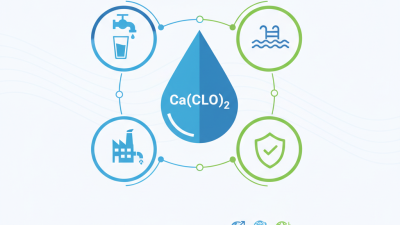
Trichloroisocyanuric Acid (TCCA) is gaining attention in discussions about aging and oxidation resistance because dependable sanitation can help protect materials and systems from biological deterioration. Industry research on the chlorination market highlights the growing need for stable, efficient disinfectants in water treatment, industrial processing, commercial facilities, and agricultural operations. By controlling microorganisms and algae, TCCA can help reduce conditions that accelerate odor formation, surface degradation, and maintenance problems.
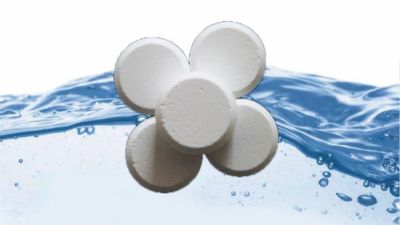
Available as a white crystalline powder or tablet, TCCA contains a high level of available chlorine and dissolves gradually in water. This slow-release behavior provides sustained disinfection while also releasing cyanuric acid, which can help stabilize chlorine under suitable outdoor conditions. Its strong oxidizing action supports the breakdown of organic contaminants, while its storage stability and concentrated performance make transportation, dosing, and long-term use more convenient than many dilute chlorine products.
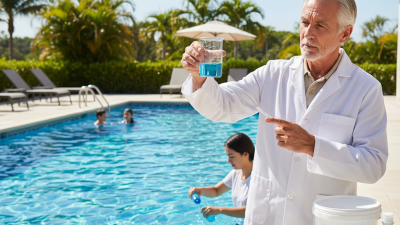
For applications concerned with aging infrastructure, oxidation-related deterioration, or recurring biological contamination, TCCA offers a practical option for maintaining cleaner operating environments. It can be used in swimming pools, cooling-water systems, wastewater processes, agricultural sanitation, and other controlled applications where reliable chlorine delivery is required. Proper dosage, ventilation, protective equipment, and compliance with local handling regulations remain essential.
They are chemical or functional treatments applied after dyeing, printing, or fabric formation. They improve softness, wrinkle recovery, water control, abrasion resistance, or dimensional stability. Small process choices matter.
They influence fabric appearance, comfort, durability, energy use, and wastewater treatment. A small dosing error can affect thousands of fabric rolls. Overdosing may create a greasy handle. Underdosing can leave fabric harsh.
They are commonly classified by the performance they create. Softening agents improve hand feel and drape. Water-repellent finishes reduce liquid penetration. Antistatic finishes reduce cling and dust attraction. Other groups control wrinkles, stains, pilling, moisture, or flames.
Polyester often benefits from hydrophilic, antistatic, or soil-release finishes. These treatments can improve moisture handling and reduce static cling. Check breathability carefully. One benefit may weaken another.
Cotton commonly uses softeners, easy-care resins, and low-yellowing finishes. These treatments can improve softness and crease recovery. Excessive softener may reduce absorbency. That mistake appears in real trials.
Test the actual fiber blend and fabric construction. Check pH, curing temperature, drying time, wet pickup, and dosage. Measure shrinkage, tensile strength, absorbency, colorfastness, and abrasion resistance. Repeat washing tests. One wash is not enough.
Yes, one finish may provide softness, antistatic behavior, and limited water resistance. However, combined performance can involve trade-offs. A wax-based finish may improve hand feel but reduce rewetting. Review the result again.
Compare fabric performance before and after repeated laundering. A fabric may feel excellent initially but fail after five or ten washes. Record visual changes, shrinkage, strength, absorbency, and surface feel. Laboratory results can look too optimistic.
Request technical data, safety information, restricted-substance declarations, and batch consistency records. Ask for application guidance and recommended processing conditions. Check destination-market requirements before bulk production. Documents do not replace fabric trials.
Small pilot runs reveal dosing, curing, and compatibility problems early. They expose assumptions hidden by laboratory swatches. Use the actual fabric blend and production equipment. Pilot results are useful, but never perfect.
This guide explains how Textile Finishing Agent types can improve the appearance, performance, comfort, and durability of fabrics for global markets. It introduces functional categories such as softeners, water- and oil-repellent agents, wrinkle-resistant treatments, moisture-management additives, antimicrobial finishes, flame-resistant systems, and agents that enhance color, handle, or dimensional stability. It also outlines how different fibers and fabric constructions require carefully matched formulations to achieve reliable results without damaging the material.
For manufacturers and global buyers, selecting a finishing agent involves evaluating production temperature, application method, dosage, fabric end use, compatibility, performance requirements, and process efficiency. The article also highlights the importance of worker safety, environmental impact, wastewater management, restricted-substance control, and destination-market compliance. When comparing suppliers, buyers should assess technical documentation, batch consistency, testing support, certifications, delivery reliability, packaging, technical service, and total cost rather than focusing only on purchase price. A structured evaluation helps companies achieve consistent quality, responsible production, and better long-term value.