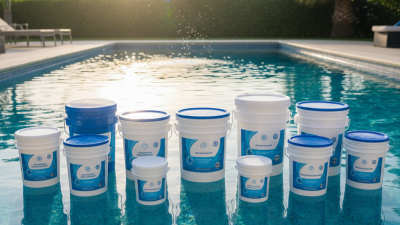
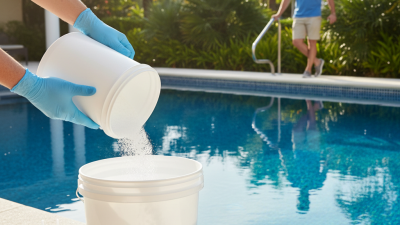
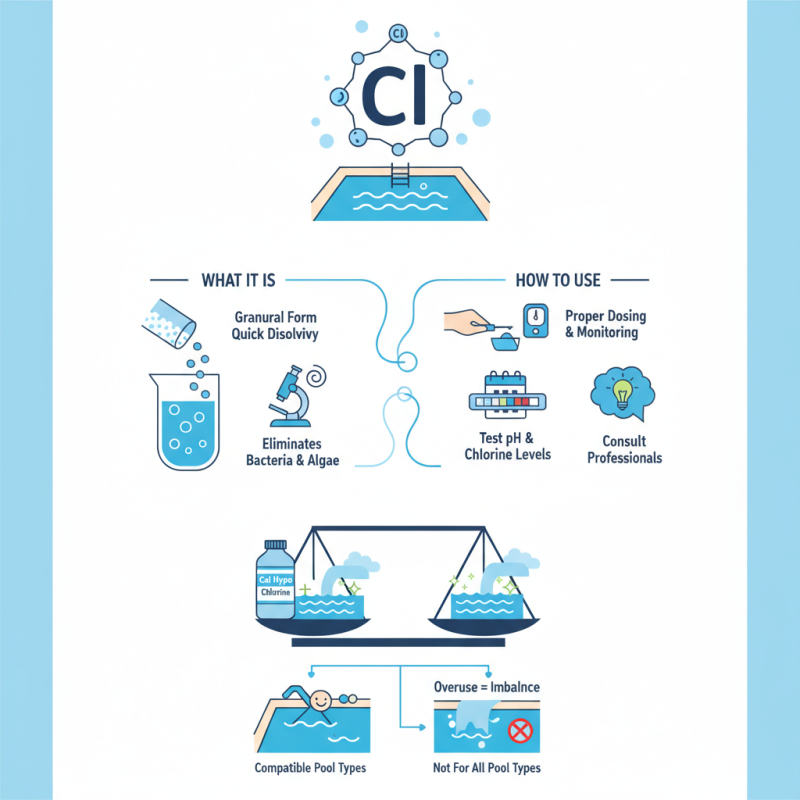
Keeping your swimming pool clean and safe isn't just about looks—it's really important for your health and enjoyment too. One of the most effective options for keeping your pool sanitized is Cal Hypo Chlorine. This stuff is pretty popular because it does a great job killing bacteria and algae. You'll notice both pool pros and everyday swimmers use it a lot.
Cal Hypo Chlorine usually comes in granular form, which makes it a bit easier to measure out and get into the water. Plus, because it’s pretty pure, it dissolves quickly and starts working almost right away. But, heads up—if you use too much, you can throw off your pool’s chemistry, which might make the water look cloudy or cause some discomfort for swimmers.
Using Cal Hypo Chlorine isn’t just about tossing it in and hoping for the best. You need to know what you're doing—dosing it right and keeping an eye on the levels. Checking your pH and chlorine regularly is super important. It’s also a good idea to get some advice from trusted sources or professionals to make sure you're on the right track. Remember, while Cal Hypo Chlorine is super effective, it’s not a one-size-fits-all solution. Always consider what your specific pool needs for the best results.
What is Cal Hypo Chlorine?
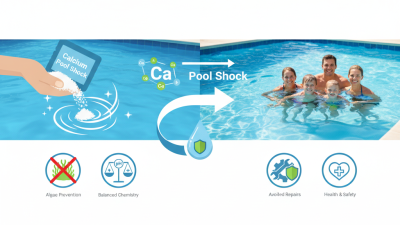
Cal Hypo Chlorine is a widely used pool sanitizing agent known for its effectiveness. It is a powerful calcium hypochlorite compound. Pool owners appreciate its ability to quickly elevate chlorine levels, ensuring a clean and safe swimming environment. Many choose Cal Hypo Chlorine Shock for its fast-dissolving nature, making it ideal for immediate treatment.
Cal Hypo Chlorine acts as a disinfectant. When added to pool water, it quickly eliminates harmful pathogens and bacteria. The correct dosage is crucial; too little won't sanitize effectively, while too much can lead to issues like skin irritation. Pool professionals emphasize regular testing of water chemistry. This helps determine the appropriate amount of Cal Hypo Chlorine to use.
One notable characteristic of Cal Hypo is its stability in sunlight. Unlike some other chlorine products, it maintains effectiveness longer under UV exposure. However, improper storage can reduce its potency. It's essential to keep it in a cool, dry place. Over time, pool maintenance can become overwhelming. Learning proper use and storage of Cal Hypo is an ongoing process, but it leads to clearer, healthier water.
Composition and Chemical Properties of Cal Hypo Chlorine
Cal Hypo Chlorine, or Calcium Hypochlorite, is an important substance in maintaining pool sanitation. Its composition includes calcium, chlorine, and oxygen, making it an effective disinfectant. This chemical compound releases hypochlorous acid when dissolved in water, a potent germicide. Research indicates that it effectively destroys a variety of pathogens, including bacteria and viruses, ensuring safe swimming conditions.
The molecular formula of Cal Hypo is Ca(OCl)₂. Each granule contains about 65% available chlorine, which is significantly higher than many other chlorine products. This high concentration allows for minimal dosage, making it preferred by pool maintenance professionals. Moreover, due to its alkaline nature, Cal Hypo can help stabilize pH levels in pool water. However, its use requires careful monitoring, as overuse can lead to imbalances that affect swimmer comfort.
Despite its effectiveness, using Cal Hypo involves challenges. It can degrade quickly under heat and sunlight, reducing its potency. Pool operators need to store it properly to maintain efficacy. Additionally, the powdery form can create dust during handling, requiring proper safety measures. While Cal Hypo is an excellent sanitizer, users must also consider these limitations to ensure optimal performance in pool maintenance.
How Cal Hypo Chlorine Works in Water Sanitization
Cal Hypo Chlorine, commonly known as calcium hypochlorite, is a powerful sanitizing agent used in swimming pools. It serves to eliminate bacteria, viruses, and other harmful pathogens in the water. When added to pool water, it dissolves and releases chlorine, which is effective in destroying contaminants. This process is crucial for maintaining clean and safe swimming environments.
Upon dissolution in water, Cal Hypo Chlorine generates hypochlorous acid. This acid works rapidly, targeting pathogens and breaking down organic matter. The chlorine molecules bond with contaminants, rendering them harmless. However, it’s essential to monitor the chlorine levels in the pool. Too much chlorine can lead to skin irritation or respiratory issues in swimmers. Finding the right balance is vital, yet often overlooked.
Pool owners should regularly test their water and adjust chlorine levels as needed. In addition, proper storage and handling of Cal Hypo Chlorine are also necessary to ensure safety. Users might encounter problems like cloudy water or unpleasant odors if not managed correctly. While Cal Hypo Chlorine effectively sanitizes water, understanding its limitations and potential consequences helps promote a better swimming experience. Regular maintenance and attention to water quality can prevent many common issues.
Benefits of Using Cal Hypo Chlorine in Swimming Pools
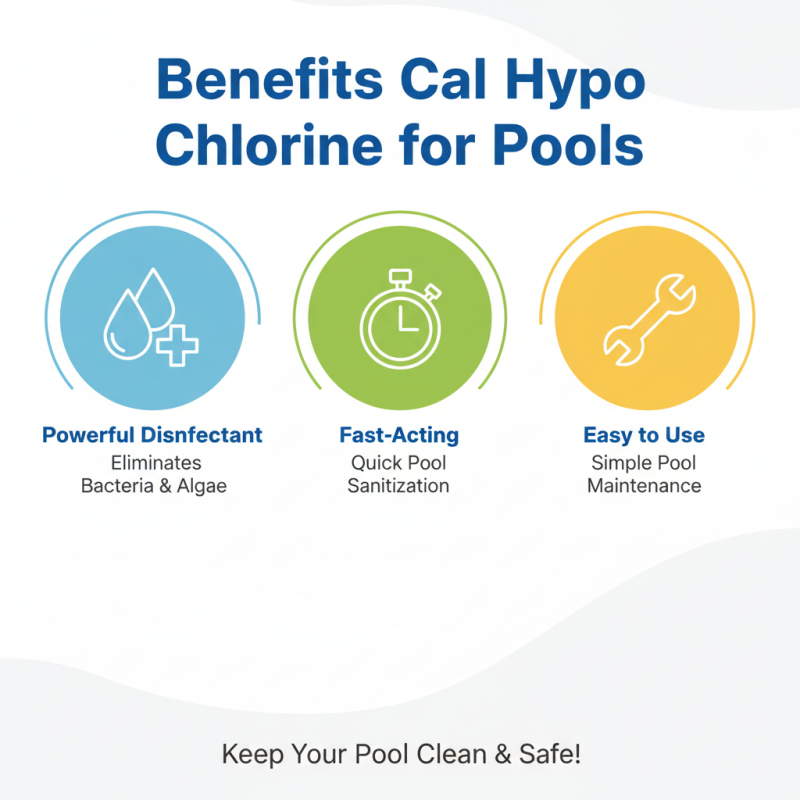
Cal Hypo Chlorine is a popular choice for pool sanitation. It effectively eliminates bacteria and algae, ensuring clean water for swimmers. Its fast-acting nature means it works quickly to keep pools safe. Many pool owners find it easier to use than other chlorine types.
One significant benefit of Cal Hypo is its high stability in sunlight. This means it maintains its effectiveness even on bright, sunny days. Users appreciate that it helps save on maintenance costs. However, it's important to measure it correctly. Too much Cal Hypo can lead to cloudiness. Balancing chlorine levels requires attention.
Another advantage is its low stabilizer content. This feature allows for better water management overall. However, it also means regular testing is crucial. Some pool owners might forget to check the water frequently. This can lead to imbalances that affect water quality. Regular monitoring ensures the benefits of Cal Hypo are fully realized.
Application Methods for Cal Hypo Chlorine in Pools
Cal hypo chlorine, a potent chlorine compound, is widely used in pool sanitation. Its primary function is to effectively kill bacteria and algae. When applied correctly, it ensures a safer swimming environment. However, understanding its application methods is vital for optimal results.
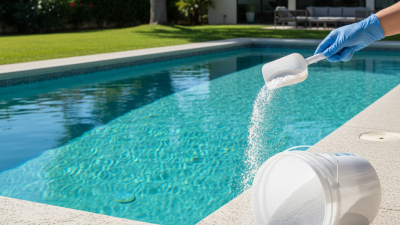
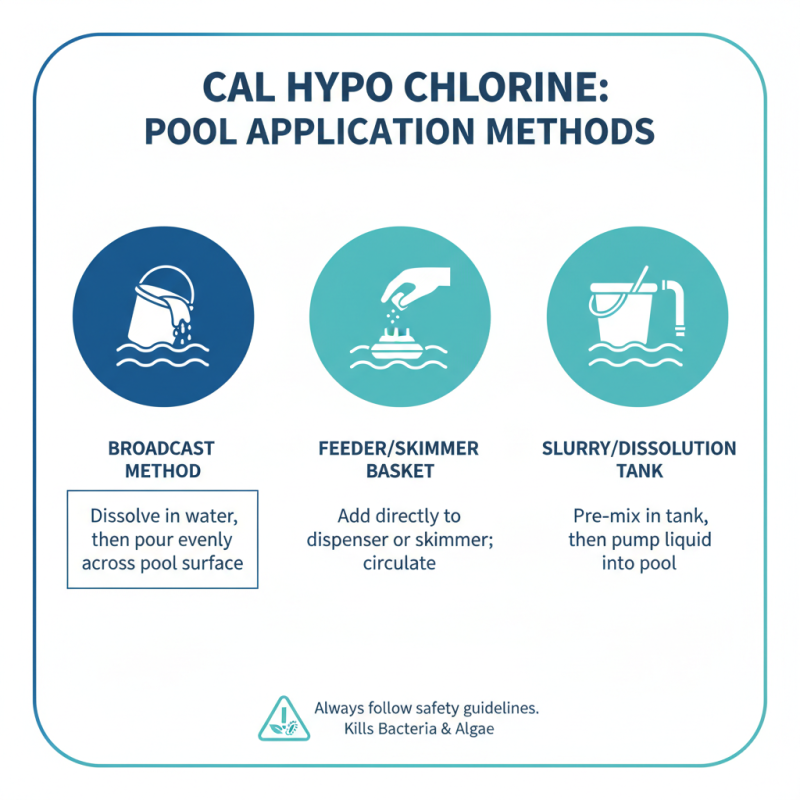
There are various methods for applying cal hypo chlorine in pools. The most common is directly adding granules to the water. This method is effective but requires precision. Too much can lead to cloudy water. Another method involves creating a chlorine solution. This involves dissolving the granules in water before adding. It allows for better control of the chlorine level. Yet, users must ensure the solution is mixed thoroughly.
Regular testing of pool water is essential when using cal hypo. This helps to avoid over-chlorination, which can harm swimmers. Some pool owners may overlook the importance of timing in application. Adding cal hypo during the day can lead to rapid evaporation. Pool maintenance requires attention to detail. Proper application can enhance water clarity and safety. Ultimately, experience and knowledge contribute to successful use.
Safety Precautions When Handling Cal Hypo Chlorine
Cal Hypo Chlorine is widely used for pool sanitation. However, handling it requires strict safety measures. The chemical, primarily composed of calcium hypochlorite, effectively combats bacteria and algae. It’s essential to understand the potential hazards involved when using it.
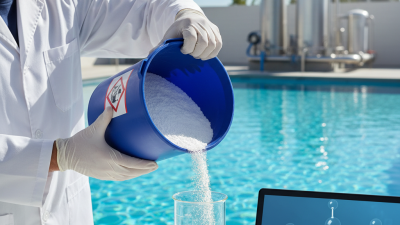
When handling Cal Hypo, always wear protective gear. Gloves, goggles, and masks provide necessary protection. According to a 2021 report by the Pool & Spa Institute, about 15% of pool service professionals experience skin irritation when mishandling pool chemicals. This statistic emphasizes the need for care. Storing Cal Hypo at a safe temperature away from direct sunlight is crucial. High heat can lead to hazardous releases.
In addition to personal safety, securing the chemical from unauthorized access is vital. Misuse may result in dangerous situations. Research indicates that about 70% of pool-related incidents involve improper chemical storage. Regular training for pool staff can mitigate risk. Familiarity with safe handling procedures is critical for maintaining pool hygiene and ensuring safety. Always remember that safety should never be compromised when working with chemicals.
Cal Hypo Chlorine Usage in Pools
This chart illustrates the distribution of Cal Hypo Chlorine usage for various pool maintenance tasks. The percentages reflect the common application of Cal Hypo Chlorine for sanitization, shock treatment, algae control, and other maintenance activities in swimming pools.
Comparing Cal Hypo Chlorine with Other Pool Sanitizers
When considering pool sanitizers, Cal Hypo Chlorine stands out for its effectiveness. This type of chlorine is primarily used for disinfection, maintaining clear and safe pool water. Cal Hypo 73 is a widely recognized form of this chlorine. It releases hypochlorous acid, a powerful sanitizer that kills bacteria and other pathogens.
Comparing Cal Hypo Chlorine to other sanitizers, we find some notable differences. For example, liquid chlorine is convenient but can be less stable. Saltwater systems generate chlorine from salt, which many find easier. However, these alternatives may not match the potency of Cal Hypo 73. Users should monitor their water chemistry carefully when switching sanitizers.
Cost is another factor in this comparison. Cal Hypo 73 can be more economical in large quantities but might require additional stabilizers to avoid rapid degradation. Some pool owners deal with the inconvenient side effect of cloudiness in the water. It's important to weigh these aspects when choosing the right sanitizer for your pool. Balancing effectiveness and cost is key.
Applications and Benefits of Sodium Hypochlorite Solution in the Food and Beverage Industry
Sodium hypochlorite solution has emerged as a vital component in the food and beverage industry, largely due to its potent disinfecting and bleaching capabilities. With its rapid action against a wide range of pathogens, including bacteria and viruses, sodium hypochlorite allows for effective sanitation of food processing surfaces and equipment. The Centers for Disease Control and Prevention (CDC) emphasizes the importance of maintaining hygiene standards in food preparation areas, where contamination can lead to foodborne illnesses. Utilizing sodium hypochlorite solutions in regular cleaning regimens helps mitigate these health risks, aligning with industry standards for food safety.
Furthermore, sodium hypochlorite's ease of use makes it particularly advantageous in large-scale operations. This greenish-yellow solution can be easily mixed for a variety of concentrations, allowing for tailored applications in different operational settings. According to a report by the Food Safety and Inspection Service, disinfectants like sodium hypochlorite can reduce microbial loads significantly when applied as part of a comprehensive sanitation program. This capability is crucial for maintaining product integrity and consumer safety in an industry where hygiene is paramount.
In summary, the applications of sodium hypochlorite in the food and beverage sector not only streamline the disinfection process but also contribute to higher standards of food safety. Its efficacy in eliminating pathogens and its user-friendly characteristics solidify its role as an essential tool for food processors and manufacturers seeking to uphold rigorous sanitation practices.
FAQS
: It is used to sanitize swimming pools and eliminate harmful pathogens.
It dissolves and releases chlorine, which destroys contaminants effectively.
Too much chlorine can cause skin irritation or respiratory issues for swimmers.
Users may experience cloudy water or unpleasant odors in the pool.
It effectively eliminates bacteria and algae, ensuring clean water for swimmers.
It maintains its effectiveness even on bright, sunny days.
They should test water and adjust chlorine levels to prevent imbalances.
Yes, using too much can cause cloudiness in the pool water.
It requires frequent water testing, which some pool owners might overlook.
Regular maintenance helps prevent common issues and promotes a better swimming experience.
Conclusion
Cal Hypo Chlorine, or calcium hypochlorite, is a widely used sanitizer for swimming pools due to its effective disinfecting properties. Comprised primarily of calcium, chlorine, and oxygen, it works to eliminate harmful bacteria and contaminants in pool water. The mechanism of action involves releasing chlorine when dissolved in water, which effectively sanitizes the pool environment. Some of the key benefits of using Cal Hypo Chlorine include its stability, ability to increase calcium hardness in water, and its chlorine residual that provides ongoing sanitation.
When applying Cal Hypo Chlorine in pools, it’s important to follow specific methods and safety precautions to ensure safe handling. This includes using appropriate protective gear and properly measuring doses to achieve optimal sanitation without over-chlorinating the water. Additionally, comparing Cal Hypo Chlorine with other pool sanitizers highlights its unique advantages and suitability for various pool types and maintenance routines. Overall, Cal Hypo Chlorine remains a preferred choice for effective pool sanitation.