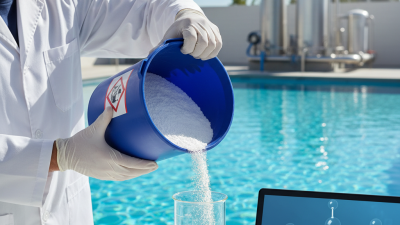
Picking out the best calcium hypochlorite for a saltwater pool in China isn’t just about comparing prices — there’s a bit more to it. Sure, you might see things like "Calcium Hypochlorite Salt Water Poolrite" popping up in searches, but don’t rely on that alone. It’s crucial to dig into the technical details rather than just going for the flashy marketing. So, here’s the thing: saltwater pools already produce chlorine naturally through electrolysis, which keeps the water sanitized. Adding calcium hypochlorite can help boost sanitation after really heavy use, during maintenance, or if you’re dealing with algae problems. The catch? It can also bump up the calcium hardness and lead to scaling issues on salt cells, heaters, and the pool walls if you’re not careful.
The CDC emphasizes that chlorinating and maintaining proper pH levels are your first line of defense against germs—so, keeping your water properly balanced is key. Dr. Michael Beach, a well-known public health expert working with CDC aquatic safety programs, stresses this. They recommend regular testing, accurate chemical dosing, and keeping good records of water quality. Likewise, the WHO’s guidelines tie effective disinfection to a balanced pH and proper operational checks. Honestly, these recommendations are way more important than just relying on what a sales pitch claims.
When you’re dealing with a serious Chinese manufacturer, it’s smart to look for solid proof — things like available chlorine content, moisture levels, calcium amount, batch tracking, and independent test results. A certification like NSF/ANSI/CAN 60 definitely helps build trust. Also, pay attention to how the packaging is kept — it should stay dry, sealed tightly, and away from acids or organic stuff. Sometimes it’s little details like these that save you trouble down the line.
That said, no product is perfect. Quality can vary from batch to batch, and what’s considered a “top” supplier might not be the best fit for your specific pool. So, it’s worth comparing certifications, lab reports, dosing instructions, and the level of support the seller offers. Bottom line: don’t just look at where it’s made or the purity claims — really dig into the chemistry, compatibility, safety, and real-world performance to make a smart choice.
Calcium Hypochlorite and Its Role in Salt Water Pool Care
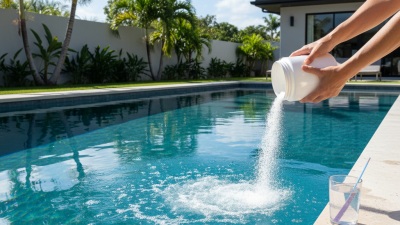
A saltwater pool still relies on chlorine. Its salt chlorine generator converts dissolved salt into chlorine, while calcium hypochlorite can provide a short, strong dose during heavy swimmer loads or unexpected contamination. The key difference is control. Calcium hypochlorite adds calcium to the water, but it does not add stabilizer. In hard water, repeated use may encourage cloudy water or scale on a generator cell.
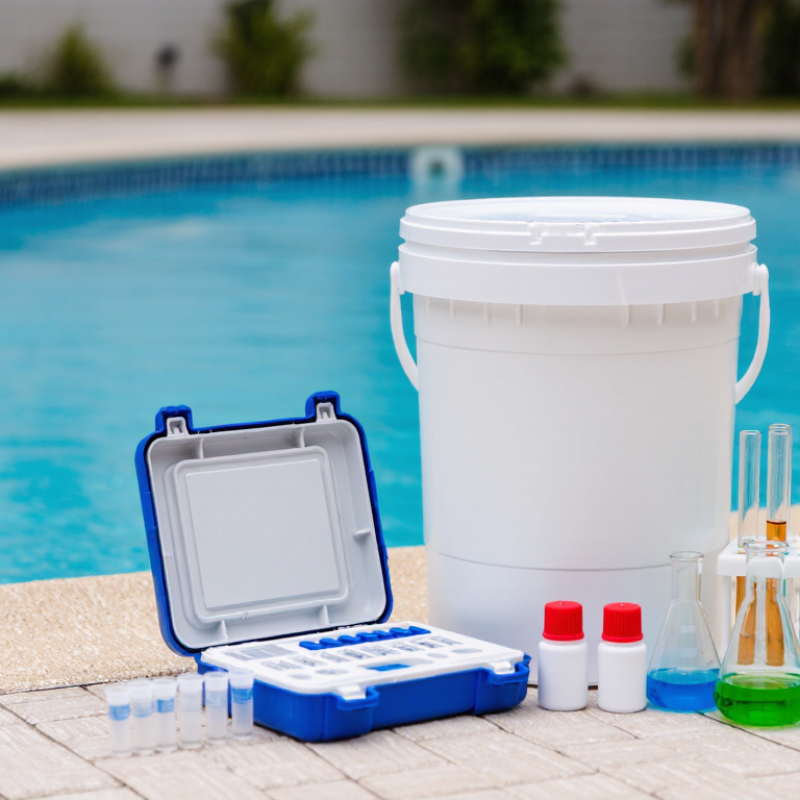
The CDC Healthy Swimming guidance recommends at least 1 ppm free chlorine in swimming pools, with pH maintained between 7.2 and 7.8. WHO pool-water guidance also uses 1 mg/L free chlorine as an important operational reference. These figures support testing, not guesswork. For a Calcium Hypochlorite Salt Water Pool, measure free chlorine, pH, calcium hardness, and stabilizer before adding more sanitizer. A white crust around the cell is a practical warning sign.
Use only the product label’s dosage, and never mix calcium hypochlorite with other chemicals. Add it separately to circulating water, preferably in the evening. I have seen owners chase dull water with repeated shocks, while the real problem was poor filtration or high pH. That mistake is easy to repeat. Check the water the next morning, inspect the cell, and adjust the generator output only after results are clear.
China Top Calcium Hypochlorite for Salt Water Pools?
Why Choose Calcium Hypochlorite Made in China?
For salt water pools, calcium hypochlorite can provide a practical chlorine boost during heavy use, rain, or algae pressure. It should not replace the salt chlorine generator during normal operation. Used carefully, it helps restore sanitation when swimmers, leaves, and warm weather increase chlorine demand.
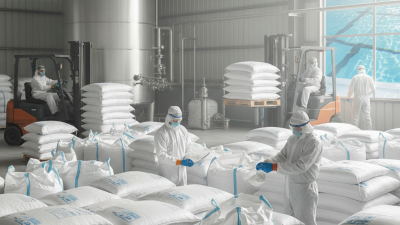
Chinese manufacturers often offer competitive pricing, flexible packaging, and large production capacity. Quality, however, depends on the supplier rather than the country alone. Ask for a current certificate of analysis, safety data sheet, available chlorine percentage, moisture level, and insoluble residue data. Batch numbers should match the test documents. Small details matter.
From real maintenance work, I would also check how the granules dissolve and whether the packaging survives humid storage. A stable product should arrive dry, sealed, and clearly labeled. Calcium hypochlorite can raise calcium hardness, so regular water testing remains important, especially in hard-water regions. Never mix it with acids or other pool chemicals. Follow local rules and the manufacturer’s handling instructions.
Not every low-cost offer is dependable. A cheaper shipment may create more labor through residue, damaged bags, or inconsistent strength. I would compare delivered cost, documentation, storage life, and technical support instead of judging price alone. This approach is less exciting, but it is usually more reliable.
For saltwater pools, calcium hypochlorite quality depends on more than a high chlorine percentage. Pool-grade material commonly contains about 65–70% available chlorine, but buyers should verify this through an independent certificate of analysis. The test should show available chlorine, moisture, insoluble matter, and particle consistency. A sharp chlorine smell is not proof of strength.
NSF/ANSI/CAN 60 provides a recognized framework for chemicals used in water treatment. It supports checks for impurities and manufacturing controls. The CDC’s Model Aquatic Health Code, 2023 edition, recommends maintaining pool pH around 7.0–7.8 and adequate free chlorine. These limits make purity important. Excess calcium can increase scaling, especially in hard water. Check the product’s calcium contribution before repeated dosing.
The WHO Guidelines for Safe Recreational Water Environments also emphasize routine disinfectant and pH monitoring. For saltwater systems, calcium hypochlorite is usually a backup or adjustment chemical, not a replacement for the salt chlorinator. The phrase “Sodium Hypochlorite Salt” can be confusing; sodium hypochlorite and calcium hypochlorite are different chemicals. Request sealed packaging, batch numbers, production dates, and storage instructions. A certificate can be genuine yet incomplete. I would still test a retained sample before large-scale use. That small step is often overlooked.
Key Quality Standards for Pool-Grade Calcium Hypochlorite
Selecting a Chinese calcium hypochlorite supplier requires more than comparing prices. Pool operators should request the available chlorine percentage, moisture level, insoluble matter, and production date. These figures affect storage stability and water treatment performance. A dependable supplier provides a complete certificate of analysis for every batch. The document should match the actual lot number on the package.
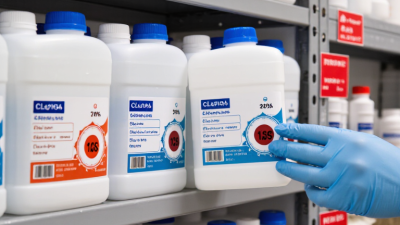
Ask about factory testing, packaging materials, and batch traceability. Good packaging should resist moisture and remain clearly labeled during transportation. The supplier should also provide a current safety data sheet and practical storage guidance. Clear answers matter. Delayed replies may indicate weak technical support.
Request a small sample before placing a large order. Test it in controlled pool water and check dissolution, residue, and chlorine consistency. A reliable manufacturer should explain its testing method, production capacity, and quality controls without making exaggerated claims. Export experience is useful, but it does not replace independent verification.
I have seen attractive quotations fail because the specification was vague. That mistake is costly. Do not confuse calcium hypochlorite with other water-treatment materials, such as Humic Acid Potassium Salt . They serve different purposes and require separate handling procedures. No supplier is flawless, so review communication, documentation, and sample results together before deciding.
China Top Calcium Hypochlorite for Salt Water Pools?
Safe Dosage and Application in Salt Water Pools
Salt water pools still use chlorine, but the salt cell usually supplies it gradually. Calcium hypochlorite can provide a stronger temporary boost after heavy rain, cloudy water, or crowded swimming. It should not replace regular salt-cell maintenance. A common working dose is about 150 grams per 10,000 liters to raise free chlorine by approximately 10 ppm with 65% available chlorine. Check the product label first. Strengths vary.
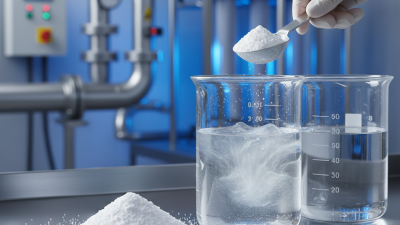
Test the water before application. Keep pH near 7.2–7.6, and switch off the salt generator during treatment. Add the granules according to label instructions. Never mix calcium hypochlorite with acid, other chlorine products, or organic materials. Some products require pre-dissolving, while others should be broadcast directly. Mixing methods are not interchangeable. After treatment, run the pump and brush the pool walls. Wait until free chlorine returns to the recommended swimming range.
Tips: Use clean, dry equipment. Add chemical to water, never water to chemical. Store it in a cool, dry place away from sunlight and combustible materials. Test again after several hours. If calcium hardness is already high, repeated use may cause cloudy water or scale. This is an easy detail to miss. Salt cells also need inspection, because a chemical boost cannot fix a damaged cell.
| Data Dimension | Recommended Information | Practical Guidance for Salt Water Pools |
|---|---|---|
| Primary function | Calcium hypochlorite is a concentrated source of available chlorine used for periodic sanitation or shock treatment. | It is normally a supplemental treatment, not a replacement for the salt chlorine generator. |
| Typical available chlorine strength | Approximately 65% to 73%, depending on the product specification. | Always calculate dosage from the labeled available-chlorine percentage rather than assuming a fixed strength. |
| Normal free chlorine target | Commonly 1–5 ppm, with the exact target determined by the stabilizer level, pool type, local guidance, and equipment instructions. | Test free chlorine and cyanuric acid before adding treatment. Do not use a shock dose when routine maintenance is sufficient. |
| Example shock target | A temporary increase of about 10 ppm free chlorine may be used when a shock treatment is justified. | The correct target depends on water condition and cyanuric acid concentration. Follow a tested pool-care method and product label. |
| Dosage for 10 ppm increase (65% available chlorine) |
Approximately 1.28 lb per 10,000 US gallons, or 580 g per 37.85 m³ of water. | Use the formula: Product mass = Pool volume × desired ppm ÷ (10,000 × available-chlorine fraction) when volume is in US gallons and mass is in pounds. |
| Dosage for 10 ppm increase (73% available chlorine) |
Approximately 1.14 lb per 10,000 US gallons, or 517 g per 37.85 m³ of water. | Actual results vary with product strength, water volume, testing accuracy, and chemical demand. |
| Dosage scaling example | For a 20,000-gallon pool using 65% product, a 10 ppm increase requires approximately 2.56 lb. | Divide or multiply the reference dose in direct proportion to the actual pool volume. |
| Effect on calcium hardness | Repeated use adds calcium to the water; approximately 0.8 ppm of calcium hardness may be added for each 1 ppm of free chlorine supplied by 65% calcium hypochlorite. | Monitor calcium hardness, especially in hard-water areas, heated pools, and pools with plaster or other calcium-sensitive surfaces. |
| Effect on pH | Calcium hypochlorite is alkaline and can raise pH, particularly when used frequently or at high doses. | Test pH after circulation and adjust only when needed. A common operating range is 7.2–7.8, subject to local and equipment guidance. |
| Salt chlorine generator setting | The generator produces chlorine from dissolved salt and may continue operating during normal pool maintenance. | When applying a manual shock, temporarily switch off or reduce the generator according to its instructions to avoid excessive chlorine and extend cell life. |
| Recommended application method | Use the measured amount with the circulation system operating. | Follow the product label. If pre-dissolving is permitted, add chemical to water—not water to chemical—and use a clean, dedicated container. Some labels may require direct broadcasting instead. |
| Best application time | Evening or after sunset is generally preferred for shock treatment. | Lower sunlight exposure helps reduce chlorine loss. Keep swimmers out until the water is clear and test results return to the recommended range. |
| Pre-treatment checks | Check water level, free chlorine, pH, total alkalinity, cyanuric acid, calcium hardness, and salt level. | Clean baskets and filters, confirm circulation, and correct major water-balance problems before applying a large dose. |
| Compatibility warning | Calcium hypochlorite is a strong oxidizer and must not be mixed with acids, stabilized chlorine, liquid chlorine, ammonia compounds, or other pool chemicals. | Never mix products in a feeder, skimmer, bucket, or storage container. Use separate, dry measuring equipment and store chemicals as directed. |
| When it may be unsuitable | Frequent use may be unsuitable where calcium hardness is already high or scale formation is a concern. | Consider a chlorine source that does not add calcium, subject to local regulations and the pool professional’s advice. |
| Post-application testing | Allow thorough circulation, then retest free chlorine and pH before reopening the pool. | Do not rely only on elapsed time. Re-entry should be based on clear water and test results within the recommended range. |
Dosage values are calculation examples for calcium hypochlorite with the stated available-chlorine strength. Always follow the product label, pool-equipment instructions, applicable regulations, and current water-test results.
Calcium Hypochlorite for Salt Water Pools: Storage, Handling, and Environmental Considerations
Salt water pools still require careful chlorine management. A salt chlorinator produces chlorine from sodium chloride, while calcium hypochlorite may support occasional sanitation. However, adding both systems without testing can create excessive free chlorine or rising calcium hardness. The CDC’s Model Aquatic Health Code recommends maintaining at least 1 ppm free chlorine in pools, with pH commonly controlled between 7.2 and 7.8. Follow the equipment manual and verify levels with a calibrated test kit.
Storage errors cause real hazards. Keep calcium hypochlorite in its original, tightly closed container. Store it in a cool, dry, ventilated area, away from acids, fuels, fertilizers, and other organic materials. Never place it beside Humic Acid Sodium Salt or damp cleaning products. The National Fire Protection Association classifies calcium hypochlorite as a strong oxidizer. Moisture, heat, and contamination can accelerate decomposition. I have seen operators focus on dosage while ignoring a leaking lid. That mistake deserves more attention.
Tips: Use clean, dry tools. Add chemicals separately to water, never water into chemicals. Do not mix products. Check labels and safety data sheets before handling. Keep spill controls nearby, but avoid sweeping contaminated powder into drains. The U.S. Environmental Protection Agency emphasizes preventing concentrated disinfectants from entering waterways, where chlorine can harm aquatic organisms. Disposal practices remain an area for reflection; local wastewater rules should guide every decision.
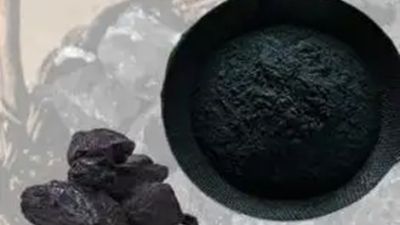
High-quality activated carbon from China provides a versatile solution for water, air, and industrial filtration. Produced from carefully selected coconut shells or coal, it is processed to develop a highly porous structure with extensive internal surface area. This microporous design enables efficient adsorption of chlorine, odors, organic compounds, color, and other unwanted substances, supporting dependable purification across residential, commercial, and industrial systems.
Available in granular activated carbon (GAC), powdered activated carbon (PAC), and pelletized forms, each format suits different operating conditions. GAC is commonly used in water treatment columns and air filtration units, while PAC can be dispersed directly into liquids for rapid contaminant removal. Pelletized carbon offers controlled airflow and low pressure loss, making it suitable for gas purification and ventilation equipment. Product specifications can be selected according to particle size, iodine value, moisture content, and application requirements.
These activated carbon solutions are applicable to drinking water and wastewater treatment, air and gas purification, food and beverage processing, and industrial process protection. Specialized grades can also support gold recovery and carefully controlled medical applications when appropriate technical and regulatory standards are met. Working with experienced China suppliers and factories allows buyers to access consistent quality, flexible formats, and reliable filtration materials for demanding purification projects.
It provides a temporary chlorine boost after heavy rain, crowded swimming, or rising algae pressure. Use it as backup support. It does not replace the salt chlorine generator.
Request a current certificate of analysis and safety data sheet. Check available chlorine, moisture, insoluble residue, and particle consistency. Batch numbers must match the documents.
No. Pool-grade material often contains about 65–70% available chlorine. Purity, moisture, residue, and storage stability also matter. A sharp chlorine smell proves very little.
About 150 grams per 10,000 liters may raise free chlorine near 10 ppm. This estimate assumes roughly 65% available chlorine. Check the product label first. Strengths vary.
Test the water before treatment. Keep pH near 7.2–7.6 when possible. Switch off the salt generator during treatment. Follow the label’s dissolving instructions exactly.
Never mix it with acids, other chlorine products, or organic materials. Use clean, dry equipment. Add chemical to water, never water to chemical.
Run the pump and brush the pool walls. Retest after several hours. Wait until free chlorine returns to the recommended swimming range before swimming.
Yes. Calcium hypochlorite can increase calcium hardness. High hardness may cause cloudy water or scale. Test hardness regularly, especially in hard-water regions.
A cheaper shipment may include damaged bags, residue, or inconsistent strength. Compare delivered cost, documents, storage life, and technical support. The cheapest option can become expensive.
The product should arrive dry, sealed, and clearly labeled. Store it in a cool, dry place away from sunlight and combustible materials. I would inspect one retained sample before ordering heavily.
Calcium hypochlorite can support salt water pool care by providing a strong source of available chlorine for shock treatment, algae control, and periods of heavy bather use. Although salt chlorinators generate chlorine continuously, calcium hypochlorite may be useful when rapid sanitation is needed. The term “Calcium Hypochlorite Salt Water Poolrite” reflects this application, but users should monitor calcium hardness because repeated use can increase mineral levels and contribute to scaling.
Chinese-made calcium hypochlorite can be a practical choice when it meets recognized pool-grade quality requirements, including stable chlorine content, suitable moisture levels, clear labeling, and reliable batch consistency. Buyers should assess a supplier’s production controls, testing records, packaging, export experience, and technical support rather than focusing only on price. Always follow the product’s dosage instructions, test chlorine and pH before and after treatment, and never mix calcium hypochlorite with acids or other chemicals. Store it in a cool, dry, ventilated area away from heat, sunlight, combustible materials, and incompatible substances, while disposing of packaging responsibly.