Picking out Cal Hypo Chlorine in 2026 isn't just a matter of comparing prices online. You really want to consider whether the product fits your specific water system, how much you’re treating, what kind of equipment you’re using, and your routine. Calcium hypochlorite is pretty common for pools, industrial water treatments, and emergency disinfection — but keep in mind that features like chlorine percentage, granule size, packaging options, and whether you need a stabilizer can vary a lot from one product to another.
Start by reading the label and Safety Data Sheet carefully. Look at the chlorine content, check when it was made, note the batch number, and see the storage instructions. Make sure it’s suitable for your specific application. A good, reputable supplier should give you clear information on traceability and up-to-date technical details. Certifications might also matter depending on where you’re located and what you’re using it for – don’t just rely on a flashy label to judge quality.
And don’t forget about daily handling. If you’re experienced, you probably already inspect containers for any signs of moisture or damage, keep everything stored cool and dry, and store oxidizers away from incompatible chemicals. Never, ever mix Cal Hypo Chlorine with acids, ammonia, or other chemicals — even small mistakes in storage can lead to serious hazards. It’s a detail many people overlook but can make all the difference.
Water chemistry plays a big role in what product you should choose, too. If your water’s got high calcium, you might experience more scaling, especially in hot conditions or if the pool isn’t balanced well. Using stabilized chlorine can be great in sunny spots, but it could also bump up your cyanuric acid levels. There’s no one-size-fits-all answer here. Sometimes, going for the cheapest option upfront ends up costing more in residue, downtime, or extra treatments later. It’s worth reviewing your test logs, trusting your supplier, and making sure your staff is well-trained. Taking your time with the decision might slow you down a bit at first, but it can save you a lot of headaches down the line.
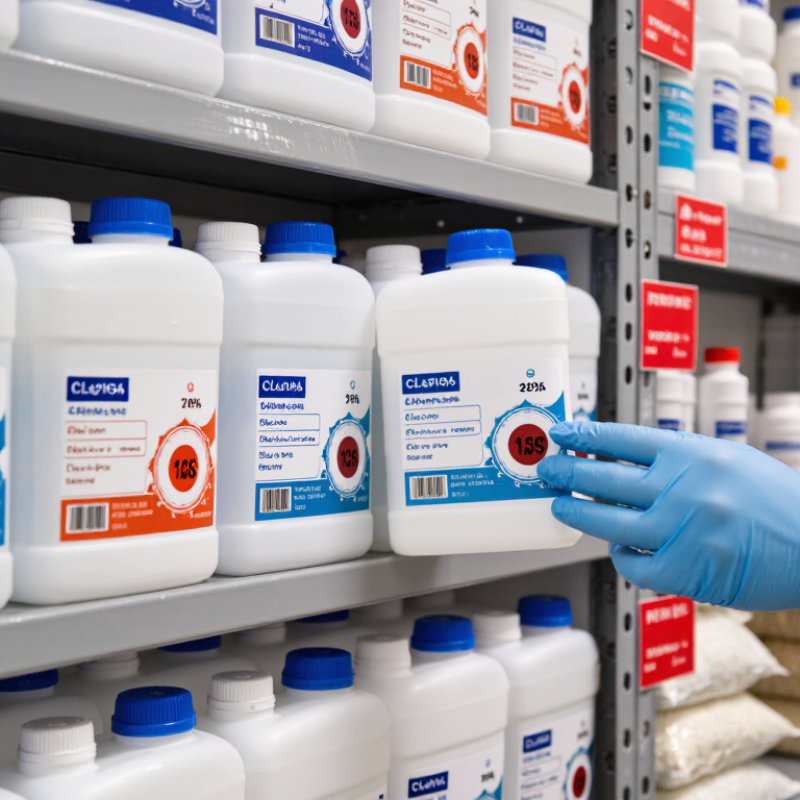
Cal hypo chlorine, or calcium hypochlorite, is a concentrated sanitizer used in swimming pools, spas, and some controlled water-treatment systems. It releases available chlorine when dissolved, helping reduce bacteria, algae, and other microorganisms. Its strength can vary, so compare the available chlorine percentage instead of judging products by package size. A higher concentration may reduce handling volume, but it also demands more careful dosing.
Choose the grade according to your water system, testing routine, and storage conditions. Granular cal hypo dissolves quickly and suits many pool maintenance tasks. Tablets may offer slower release, but compatibility depends on the feeder and equipment. Always read the current label and safety data sheet. Never mix cal hypo with acids, ammonia, or other pool chemicals. Keep it dry, sealed, cool, and away from sunlight or combustible materials. A practical detail matters: moisture can damage the container and create a serious reaction risk.
Tips: Test water before dosing. Measure by weight when possible. Add chemical to water, never water to chemical. Wear suitable eye and hand protection. Record the date, dose, and test result. A common mistake is trusting an old dosage chart. Water temperature, sunlight, stabilizer levels, and swimmer load can change chlorine demand. I have seen maintenance plans fail because testing was treated as optional. That assumption deserves reconsideration, especially when public health and equipment protection depend on accurate control.
Choosing Cal Hypo Chlorine in 2026 requires more than selecting the highest percentage on a label. Cal hypo strength usually ranges from about 48% to 73% available chlorine. Higher strength reduces the required dose, but it can increase calcium buildup in hard water. A lower-strength product may be easier to measure for smaller pools. Always verify concentration with a current test kit.
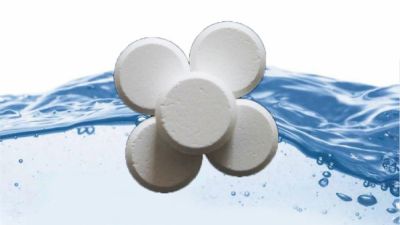
Form matters during handling. Granules dissolve quickly and suit measured treatment, while tablets dissolve more slowly and require compatible feeders. Cal Hypo Chlorine Shock is commonly used for rapid sanitation, but it should never be mixed with acids, other chlorine products, or damp materials. Keep the container dry, sealed, and away from heat.
Small mistakes can create serious hazards.
Available grades also deserve attention. Pool-grade material should provide clear available-chlorine information and reliable batch documentation. Water-treatment or industrial grades may follow different specifications, so the intended application must match the product certificate.
Check calcium hardness before repeated use. I have found that dosing charts can look precise, yet water temperature, sunlight, and organic debris change the result.
That is where experience matters. Test, adjust carefully, and record the response instead of trusting one number. A perfect choice on paper can still perform poorly in real water.
Choosing Hypo Cal starts with pool volume, not guesswork. A small residential pool needs precise measurement because small errors change chlorine levels quickly. Larger pools still require accurate volume calculations, especially after renovations or water-level changes. Check the product concentration before calculating the dose. Common calcium hypochlorite products contain different chlorine strengths.
Water conditions matter just as much. Hypo Cal adds calcium hardness, so it may suit soft water better than already hard water. In hard water, repeated use can encourage cloudy water or scale on tiles and heaters. Test free chlorine, pH, alkalinity, calcium hardness, and stabilizer levels first. Outdoor pools may also need separate cyanuric acid management because Hypo Cal does not provide it. Never mix chlorine with acids or other chemicals. Follow the label and allow proper circulation.
Tips: Match the dose to measured pool volume and current free chlorine. Add it according to label directions, preferably with the pump running. Brush walls and steps afterward. I still retest after treatment; water sometimes responds differently than expected. Keep a simple log of readings, weather, and additions. It exposes mistakes. If calcium hardness is already high, reassess before making Hypo Cal your regular chlorine source.
How to Choose Cal Hypo Chlorine in 2026?
Choosing Cal Hypo starts with purity, not package size. Check the label for available chlorine percentage and manufacturing details. Higher purity can mean fewer unwanted residues, but it does not guarantee better pool results. I compare the stated strength with an independent test report when available. Small differences matter in heavily used pools.
Cal Hypo contains calcium and usually does not contain a stabilizer. That means it will not protect chlorine from sunlight by itself. Test cyanuric acid separately, then adjust it according to your pool system and local professional guidance. Too much stabilizer can slow sanitation. Too little can waste chlorine quickly. The balance is easy to miss.
Compatibility deserves a close look. Repeated Cal Hypo use can raise calcium hardness, especially in hard-water areas. Watch for cloudy water, scale on tile, and rough filter surfaces. Plaster pools may tolerate higher calcium levels than some other surfaces, while vinyl pools still need careful testing. Never place Cal Hypo in the same feeder as other chemicals. Do not mix products in a bucket. Add it only as directed on the label, with circulation running and swimmers out of the water.
I once focused too much on chlorine percentage. That was a mistake. Water chemistry and equipment condition mattered more. Test pH, free chlorine, calcium hardness, and cyanuric acid regularly. Record the readings, even when the water looks clear. Clear water can still hide an unstable balance.
Choosing Cal Hypo 73 begins with an accurate water-volume estimate. Cal Hypo 73 contains approximately 73% available chlorine. The dosage depends on pool size, current chlorine, and the target increase. For a 40,000-liter pool needing a 2 ppm increase, calculate 40,000 × 2 ÷ 730. The result is about 110 grams of product. Use a calibrated scale, not a heaped scoop. Small errors can become significant in larger pools.
Test the water before dosing. Test again after circulation, usually according to the product label and site conditions. Sunlight, heavy use, and warm water may consume chlorine faster than expected. My first calculation once looked correct, but the test result was lower than predicted. The pool volume had been overstated. Recheck measurements, especially with irregular shapes. Wear gloves and eye protection, and work outdoors or in strong ventilation. Never mix cal hypo with acids, ammonia, or other chemicals. Keep it dry and sealed. Add chemicals only as the label directs, and never add water into the product. Calcium hardness also deserves attention because repeated cal hypo use can gradually raise it. Record each dose, test result, and water condition; that simple log improves the next adjustment.
Estimated calcium hypochlorite required to increase free chlorine in a 10,000-liter water volume. The calculation assumes a product containing 65% available chlorine: Product required (g) = Water volume (L) × chlorine increase (mg/L) ÷ (1,000 × 0.65). Actual demand may be higher because of sunlight, contaminants, pH, and water quality. Always test the water first and follow the product label.
How to Choose Cal Hypo Chlorine in 2026?
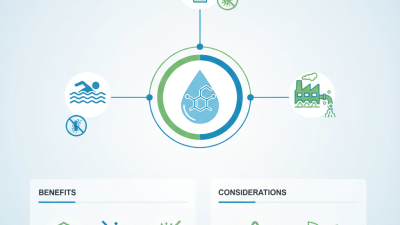
Choosing calcium hypochlorite requires more than comparing available chlorine percentages. Storage, handling, cost, and environmental impact must work together.
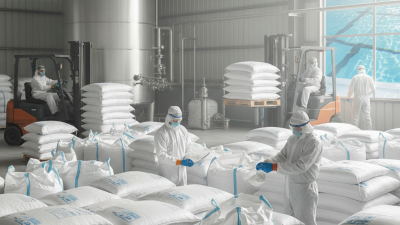
Store the material in a cool, dry, well-ventilated room. Keep containers sealed and away from sunlight, moisture, acids, oils, and organic materials. Even small contamination can create heat, fumes, or fire risk. Never mix calcium hypochlorite with other treatment chemicals. Use clean, dry tools, chemical-resistant gloves, eye protection, and suitable respiratory controls where dust may occur. Staff should follow the safety data sheet and receive practical training. A damp storeroom is a warning sign.
Cost calculations should include transport, storage upgrades, dosing equipment, product loss, and worker protection. A lower purchase price may become expensive after damaged containers or unstable chlorine levels. I have seen purchasing decisions focus too narrowly on price. That approach often ignores maintenance and disposal costs. Rotate inventory carefully, and inspect packaging for swelling, leaks, or degraded labels. Do not accept questionable material.
Environmental performance depends on accurate dosing and responsible discharge control. Overdosing can increase residual chlorine in wastewater and harm aquatic organisms. Measure water demand, temperature, pH, and chlorine residuals regularly. Choose packaging that limits moisture exposure and reduces unnecessary waste. Disposal procedures must follow local requirements and trained professional guidance. The “greenest” option is not always obvious. A product with longer stability may reduce waste, while poor handling can erase that advantage. Review actual site data every season, because assumptions rarely stay accurate.
| Evaluation Factor | 65% Available Chlorine Granules | 70% Available Chlorine Granules | 65–70% Available Chlorine Tablets | Practical Selection Guidance |
|---|---|---|---|---|
| Available chlorine content | Approximately 65% by product mass | Approximately 70% by product mass | Usually within the 65–70% range; verify the product label | Higher available chlorine reduces the amount of product required, but it does not eliminate the need to account for water demand, sunlight, temperature, and organic contamination. |
| Product required for 1 kg of available chlorine | 1.54 kg of product theoretically | 1.43 kg of product theoretically | Approximately 1.43–1.54 kg, depending on assay | Use the certified assay rather than the nominal product name when calculating dosage and inventory requirements. |
| Theoretical dose for 2 mg/L in 10,000 L of water | 30.8 g, before chlorine demand and losses | 28.6 g, before chlorine demand and losses | Approximately 28.6–30.8 g, before losses | This is a stoichiometric estimate only. Actual dosing must be determined by testing free chlorine, pH, cyanuric acid where applicable, and water demand. |
| Storage conditions | Keep sealed, dry, cool, shaded, and well ventilated. Protect from moisture and heat. | Same requirements; the higher assay makes contamination and decomposition control especially important. | Keep dry and protected from physical damage. Avoid contact between tablets and incompatible chemicals. | Best practice Store in the original compatible container, away from acids, ammonia, organic materials, fuels, reducing agents, and direct sunlight. |
| Typical unopened storage life | Often about 12–24 months when properly stored; follow the supplier’s date and instructions. | Often about 12–24 months under suitable conditions; heat and humidity shorten stability. | Often about 12–24 months, depending on formulation, packaging, and storage conditions. | Do not assume a fixed shelf life. Rotate inventory using first-in, first-out procedures and inspect for odor, swelling, caking, leaks, or container deterioration. |
| Moisture sensitivity | High Moisture can accelerate decomposition, caking, and chlorine release. | High Moisture and heat can cause faster loss of available chlorine. | Moderate to high Tablets may resist brief handling exposure but must remain dry during storage. | Use a dry room with controlled access. Never return wet or contaminated material to the original container. |
| Dissolution and dosing control | Fast and flexible Granules can be measured for smaller dose adjustments. | Fast and flexible Provides slightly more chlorine per unit mass. | Slower and more controlled Dissolution depends on tablet size, water movement, and formulation. | Choose granules for rapid correction or variable dosing. Choose tablets where controlled release and reduced dust are more important. |
| Handling hazards | Oxidizing solid; dust may irritate the eyes, skin, and respiratory system. Contact with acids can release toxic chlorine gas. | Same hazards, with greater chemical strength per kilogram of product. | Lower dust during routine handling, but crushing, mixing, or contact with incompatible materials remains hazardous. | Strict segregation required Use appropriate eye, skin, and respiratory protection according to the safety data sheet and risk assessment. |
| Risk of cross-contamination | High if scoops, funnels, or containers are shared with acids, fertilizers, fuels, or organic chemicals. | High; contamination may cause rapid heat generation, fire, or chlorine release. | High if tablets are mixed with other pool chemicals or placed in an incompatible feeder. | Use dedicated, clean, dry equipment. Never mix calcium hypochlorite with trichlor products, acids, ammonia, or other chlorinating chemicals. |
| Cost per unit of available chlorine | Calculate as: purchase price per kg ÷ 0.65 | Calculate as: purchase price per kg ÷ 0.70 | Calculate as: purchase price per kg ÷ actual assay, plus any dosing-equipment cost | A 70% product is economically preferable only when its price premium is less than its available-chlorine advantage. Compare delivered cost, packaging, loss, labor, and disposal—not just price per container. |
| Packaging and transport efficiency | More product mass is required for the same chlorine output than with 70% material. | Lower product mass may be required for equivalent chlorine output. | Can reduce dust and simplify measured dosing, but packaging volume may be higher per unit of chlorine. | Evaluate total storage footprint, permitted transport classification, package size, and emergency-response requirements before purchasing. |
| Environmental considerations | Decomposes to chlorine-containing species and calcium compounds; residual chloride can contribute to salinity. | Similar environmental behavior, with more available chlorine per kilogram of product. | Similar chemistry; undissolved tablets can create localized high concentrations if discharged improperly. | Prevent spills and uncontrolled discharge. Do not release concentrated product into soil, drains, or natural water. Use the minimum effective dose and comply with local wastewater requirements. |
| Best fit in 2026 | Routine water treatment, flexible dosing, and applications where lower purchase cost is important. | Operations prioritizing lower product mass, smaller storage footprint, or higher chlorine output per shipment. | Facilities prioritizing measured dosing, lower routine dust, or slower release where the equipment is specifically compatible. | Choose based on verified assay, total cost of ownership, storage capability, operator training, dosing method, and environmental controls. |
Cyanuric acid plays an important role in modern pool-water management by protecting free chlorine from ultraviolet degradation. Grand View Research’s industry analysis identifies swimming-pool treatment as a major application area for cyanuric acid, while continued urbanization, tourism, and recreational water use support demand for effective water-care solutions. In practical terms, a properly balanced stabilizer can help chlorine remain active longer, reducing the need for frequent dosing and improving operational efficiency.
Our advanced chlorine stabilizer is formulated to function as a protective “sunscreen” for chlorine rather than as a disinfectant itself. By limiting the impact of sunlight, it helps preserve chlorine potency and may reduce chlorine consumption by up to 80%, depending on pool conditions, dosage, sunlight exposure, and maintenance practices. EPA guidance and product-label requirements emphasize that stabilizers do not replace sanitizers; operators must continue maintaining appropriate disinfectant levels, water balance, and testing routines.
For buyers evaluating China sourcing opportunities, consistent manufacturing control is essential. Our state-of-the-art factory applies systematic quality checks to raw materials, production, packaging, and batch performance, supporting reliable supply for commercial pools, residential facilities, and water-treatment distributors. With efficient logistics and scalable production, this chlorine stabilizer offers a practical way to improve chlorine longevity, support water-quality management, and control ongoing maintenance costs.
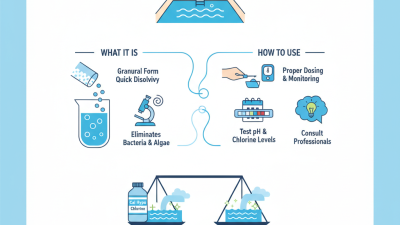
It is a concentrated sanitizer for pools, spas, and controlled water-treatment systems. It helps reduce bacteria, algae, and other microorganisms. Test the water regularly.
Compare available chlorine percentages, not package sizes. Higher concentration means less product may be needed. It also requires more careful dosing.
Granules dissolve quickly and suit many routine maintenance tasks. Tablets release chlorine more slowly. Confirm compatibility with the feeder and equipment.
Estimate the water volume accurately. For a 40,000-liter pool needing a 2 ppm increase, use approximately 110 grams of 73% available chlorine product. The calculation is 40,000 × 2 ÷ 730.
Incorrect pool measurements can distort the result. Irregular shapes are easy to overestimate. Recheck volume, then test after circulation. My earlier calculation failed for this reason.
Wear suitable gloves and eye protection. Work outdoors or with strong ventilation. Add chemical to water, never water to chemical. Never mix it with acids, ammonia, or other chemicals.
Keep it dry, sealed, cool, and away from sunlight. Store it away from combustible materials. Moisture can damage the container and create serious reaction risks.
Test before dosing and retest after circulation. Record the date, dose, test result, temperature, and water condition. Do not trust an old dosage chart blindly. Water demand changes.
Yes. Repeated use can gradually raise calcium hardness. Monitor hardness alongside chlorine levels. A simple log may reveal problems before equipment is affected.
Choosing Cal Hypo Chlorine in 2026 requires more than selecting the highest available strength. Start by understanding whether you need granular, tablet, or other suitable forms, then match the product’s concentration and grade to your pool size, water temperature, usage level, and existing water conditions. Higher-strength options may reduce handling volume, while lower-strength products can offer easier dosing for routine maintenance.
Before purchasing, check purity, stabilizer content, and compatibility with your filtration, sanitation, and pool surfaces. Calculate dosage carefully according to the product label and test water regularly to avoid under- or over-chlorination. Safe storage and handling are equally important: keep the chemical dry, cool, ventilated, and separated from incompatible materials. Finally, compare total cost, packaging efficiency, transport needs, and environmental considerations rather than focusing only on the purchase price. A balanced choice supports effective sanitation, easier maintenance, and responsible pool care.