Leave Your Message
0%

So, when you're choosing Cal Hypo Chlorine Shock in 2026, it's not just about comparing prices on the package. Honestly, there's a lot more to consider. Pool chemistry shifts depending on sunlight, how many swimmers you've got, water temperature, and cyanuric acid levels. What works like a charm in one pool might leave calcium residue in another. The label really does matter, but so does the water you're actually working with — it’s all about knowing what you’re dealing with.

The CDC’s 2023 Model Aquatic Health Code emphasizes the importance of controlled disinfection, proper testing, and keeping pH levels steady. Basically, it’s more about taking a thoughtful, measured approach rather than just dumping in chemicals all the time. And the Pool & Hot Tub Alliance’s 2024 State of the Industry Report points out that water care, routine maintenance, and properly training staff are still top priorities. These guides are really about making smarter choices, not just using the strongest chemicals you can find.

Now, Cal Hypo Chlorine Shock usually gives you a high amount of available chlorine without adding any cyanuric acid, which is pretty handy for outdoor pools where the stabilizer might already be high. But don’t forget about calcium hardness — you use it often enough, it can cause cloudiness or even scale buildup, especially if your water is on the hard side. Before you add anything, it’s a good idea to test for free chlorine, pH, alkalinity, calcium hardness, and cyanuric acid levels. Details like these really do make a difference.

And just a heads up: not every product claiming to be “fast-dissolving” actually is. Some granules might stick to your vinyl liner, and others need to be pre-dissolved—which can be a pain or even risky if you're not careful. Always follow the instructions on the EPA-registered label, don’t mix different chlorine products together, and double-check compatibility with the manufacturer’s guidelines. There’s no such thing as a perfect shock — the best option depends on your water’s chemistry, how often you’re iodizing, how you store your chemicals, and how careful you are. Even experienced pool pros sometimes misjudge demand after a busy weekend, so keep that in mind.
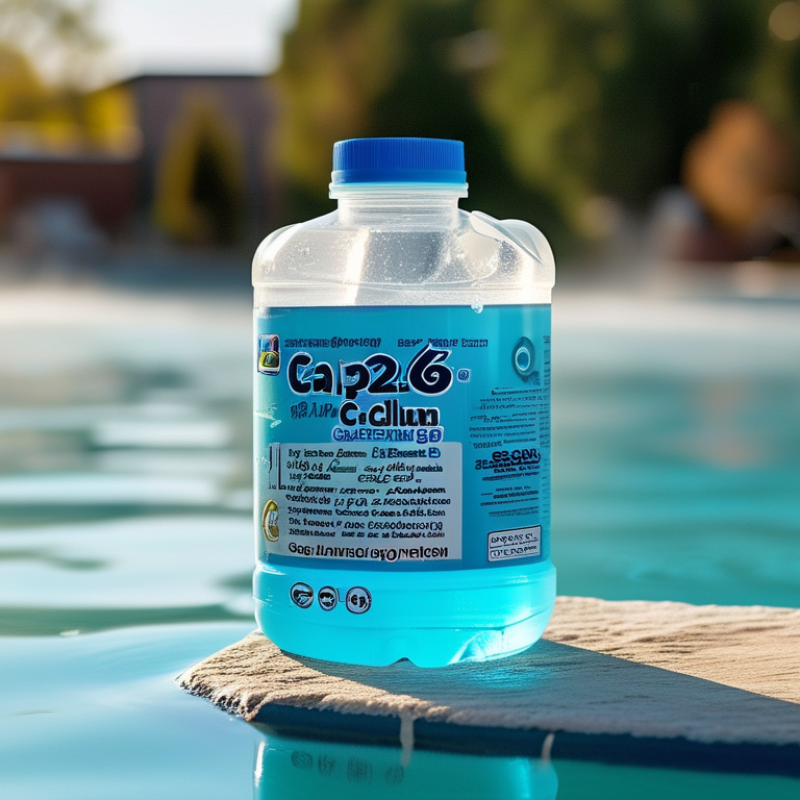
How to Choose Cal Hypo Chlorine Shock in 2026?

Understanding Cal Hypo Chlorine Shock and Its Purpose

How to Choose Cal Hypo Chlorine Shock in 2026?

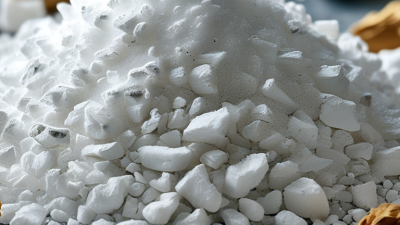
Calcium hypochlorite, or cal hypo, is a fast-acting pool shock used to increase free chlorine. Its main purpose is removing organic waste from sweat, sunscreen, leaves, and other contaminants. It can also help control early algae growth when water is cloudy or dull. Cal hypo does not add cyanuric acid, so it may suit pools that already contain enough stabilizer. However, it adds calcium with repeated use. That detail is easy to overlook.

Choose a product by checking its available chlorine percentage, not just the package size. A higher percentage may require less material, but accurate dosing still depends on pool volume and water conditions. Test free chlorine, pH, cyanuric acid, and calcium hardness before treatment. I prefer testing twice when results seem unusual. That assumption can fail. Read the current label carefully, because formulas and instructions may change.

Use cal hypo only as directed for your pool type. Never mix it with acids, other chlorine products, or household chemicals. Add it according to the label, with the circulation system operating, and keep swimmers out until testing confirms safe levels. Granules can settle on surfaces if applied poorly, especially in shallow areas. Brush the pool afterward when instructions allow. In hard-water regions, repeated use may increase scaling, so another sanitation approach might be more practical. A qualified pool professional can review local water conditions when test results remain inconsistent.

Comparing Cal Hypo Strengths, Forms, and Available Options

How to Choose Cal Hypo Chlorine Shock in 2026?

Cal hypo strength usually ranges from about 48% to 73% available chlorine. Higher strength is not automatically the better choice. It may reduce product volume, but dosing errors become more serious. A medium-strength granular product can be easier to measure around residential pools. Always check the label’s available chlorine percentage, not just the large number on the container.

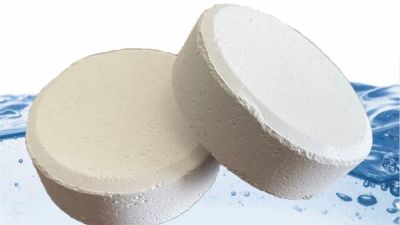
Form matters. Granules dissolve quickly when added correctly, making them practical for routine shock treatment. Briquettes or tablets dissolve more slowly and may suit controlled feeding systems, but they are not always ideal for rapid correction. I prefer granular cal hypo when cloudy water needs prompt attention. Still, that preference can change with pool size, circulation, and water temperature. Read the label carefully.

Water chemistry should guide the selection. Test free chlorine, pH, and calcium hardness before dosing. Cal hypo adds calcium, so repeated use may increase scaling risk in hard water. Keep the pH within the label’s recommended range for effective sanitation. Wear eye and skin protection, and never mix cal hypo with acids or other chemicals. Store it dry, cool, and away from combustible materials. I once focused too much on chlorine strength and overlooked storage conditions. That was a poor judgment. Availability also matters, since fresh, properly sealed stock is usually more dependable than a discounted container with unclear storage history.

Checking Pool Size, Water Conditions, and Shock Requirements

How to Choose Cal Hypo Chlorine Shock in 2026?

Choosing Hypo Cal Shock starts with accurate pool sizing. Measure length, width, and average depth, then calculate the water volume. Small pools change quickly. A dose designed for 20,000 gallons can overwhelm a 10,000-gallon pool. Check the product label for available chlorine percentage and required dosage. Do not estimate by the scoop.

Water conditions should guide the decision. Test free chlorine, pH, cyanuric acid, alkalinity, and calcium hardness before treatment. High cyanuric acid may require a stronger chlorine strategy, while high calcium hardness makes repeated cal hypo use less attractive. Calcium hypochlorite adds calcium as it dissolves. That detail matters in hard water. Adjust pH within the recommended range before shocking, because chlorine works less efficiently when pH rises.

Shock requirements also depend on the problem. Light cloudiness may need a normal maintenance dose, while algae or heavy swimmer waste can require a higher treatment level. Follow the label and local pool guidance. Never mix cal hypo with other chemicals, and keep swimmers out until testing confirms safe levels. I once relied on water appearance instead of test results, and the pool looked clear while chlorine remained unstable. Keep a simple record of dose, water volume, test readings, and treatment time. Recheck after circulation, especially after rain, heat, or heavy use. Measure twice.

Evaluating Safety, Storage, and Handling Characteristics

How to Choose Cal Hypo Chlorine Shock in 2026?

Safety begins with the label, not the discount price. Cal Hypo Shock usually contains 65–73% available chlorine, but formulations vary. Confirm the exact percentage, hazard statements, and required protective equipment before buying. The U.S. EPA requires registered pesticide labels to specify handling, storage, and application directions. Treat those instructions as operating limits, not suggestions.

Storage conditions deserve equal attention. The Chlorine Institute identifies dry calcium hypochlorite as a strong oxidizer. Keep it cool, dry, and away from acids, oils, organic debris, and pool chemicals. Use the original sealed container. Never place it beside fuel, fertilizers, or damp equipment. NFPA 400 also classifies oxidizing solids by hazard level, reinforcing the need for separated storage and controlled access. Moisture can create heat, irritating fumes, or a damaged container. That risk is easy to underestimate.

Tips: Choose a ventilated storage room with a clean, raised shelf. Inspect the container before opening. Wear chemical-resistant gloves, eye protection, and suitable work clothing. Add Cal Hypo Shock to water only when the product label permits it; never add water to concentrated material. The CDC’s Model Aquatic Health Code supports routine water testing and careful chemical control, yet real facilities still experience mistakes. I have seen rushed dosing create confusion. A checklist helps, but it cannot replace training, ventilation, and calm handling. Product age, humidity, and storage temperature should also influence your decision.

Choosing the Right Cal Hypo Shock for Your Pool Type

Choosing the Right Cal Hypo Shock for Your Pool Type

Choosing calcium hypochlorite shock starts with the pool surface, not the label strength. Plaster and concrete pools usually tolerate calcium-based shock well. However, repeated use can raise calcium hardness. Test the water before dosing, especially in hard-water regions. Cal Hypo Shock 73 may provide strong available chlorine, but its concentration does not make it suitable for every situation.

Vinyl and fiberglass pools need more care. Use the manufacturer’s dosage, dissolve the product only when instructed, and avoid placing granules directly on the surface. Undissolved shock can leave pale marks or damage finishes. A clean plastic bucket helps, but never mix shock with other chemicals. Add chemical to water, not water to chemical. Small details matter.

Saltwater pools can also use calcium hypochlorite during recovery treatments, although routine use may increase calcium levels. Check free chlorine, pH, cyanuric acid, and calcium hardness with a reliable test kit. Do not guess from water appearance alone. Clear water can still have poor chemistry. I have learned that “more shock” often reflects impatience, not good maintenance. Wait until circulation is complete and readings return to a safe range before swimming. Always follow the current product label and pool-equipment guidance.

Applying Cal Hypo Shock Correctly and Monitoring Results

Applying Cal Hypo Pool Shock correctly starts with water testing, not guesswork. Test free chlorine, pH, and calcium hardness before adding any treatment. The CDC’s 2023 Model Aquatic Health Code recommends maintaining pool pH between 7.2 and 7.8. It also identifies at least 1 ppm free chlorine for many pools. If cyanuric acid is present, higher chlorine control may be necessary.

Follow the product label and calculate dosage from the pool’s actual volume. Add Cal Hypo Pool Shock to water only when directed. Never mix it with acids, other chlorine products, or household cleaners. A dry, clean bucket and protective gloves reduce avoidable handling risks. Brush walls and floors afterward. Then run the circulation system continuously for several hours.

Check the water again with a reliable DPD test kit. The World Health Organization’s Guidelines for Safe Recreational Water Environments commonly reference 1–3 mg/L free chlorine for pools, alongside controlled pH. Wait until chlorine returns to the label’s safe swimming range before reopening the pool. Cloudiness, strong irritation, or persistent odor deserves investigation. High chlorine does not always mean clean water. My own practical mistake would be trusting one test strip reading too quickly; repeat testing at the deep end and near returns. Record readings, dosage, weather, and swimmer load. Patterns become clearer.

How to Choose Cal Hypo Chlorine Shock in 2026? - Applying Cal Hypo Shock Correctly and Monitoring Results
Data Dimension Practical Guidance Verified Data or Calculation Monitoring Point
Active chlorine strength Choose a calcium hypochlorite product whose available-chlorine percentage is clearly stated on the label. Common granular cal hypo strengths are approximately 65%, 70%, and 73% available chlorine. The actual label value controls the dose. Record the product strength before calculating the amount.
Primary selection criteria Select a product that matches the pool volume, required chlorine increase, storage conditions, and local labeling requirements. Cal hypo adds chlorine and calcium to the water; repeated use can increase calcium hardness. Check calcium hardness, water balance, and the product label before routine use.
Dose calculation Calculate the required product mass rather than measuring by volume. Product mass (lb) = Pool volume (US gal) × Desired increase (ppm) ÷ [120,000 × Available chlorine fraction]. Use the measured pool volume and the available-chlorine percentage printed on the package.
Example dose: 10,000 US gal pool For a calculated free-chlorine increase of 10 ppm, use the strength-specific amount shown here. 65%: approximately 1.28 lb / 0.58 kg
70%: approximately 1.19 lb / 0.54 kg
73%: approximately 1.14 lb / 0.52 kg
These values are theoretical increases. Organic contaminants, sunlight, filtration, and cyanuric acid affect the measured result.
Pre-application checks Test the water and confirm that circulation and filtration equipment are operating normally. Measure free chlorine, pH, total alkalinity, cyanuric acid, and calcium hardness when relevant. Do not apply if the test kit is expired, the water volume is unknown, or the circulation system is unavailable.
pH consideration Keep pH within the range required by the facility or local pool standard before treatment whenever possible. A commonly used swimming-pool operating range is approximately pH 7.2–7.8. The effective chlorine fraction changes with pH. Retest pH after the treatment has circulated and the chlorine reading is stable.
Application method Follow the product label. If permitted, distribute the measured granules over the pool surface with the circulation system running. Never mix cal hypo with acids, ammonia-containing products, organic materials, or other sanitizers. Do not combine chemicals in the same container. Look for undissolved granules, localized bleaching, cloudiness, or unusual odors and stop the process if any unsafe condition occurs.
Circulation and contact time Keep the pump and filter operating according to the label and facility procedure to distribute the chemical evenly. There is no universal contact time for every product or contamination condition; the label and local health code determine reopening requirements. Do not allow swimming until the free-chlorine level, pH, visibility, and local rules indicate that the pool is safe.
Post-treatment testing Retest after adequate circulation and before reopening the pool. Use a reliable DPD or equivalent test method that measures free chlorine within the expected range. Test strips are useful for screening but may be less precise. Compare the measured increase with the calculated dose and record time, temperature, pH, cyanuric acid, and free chlorine.
Routine chlorine target Maintain the free-chlorine level required by the pool type, cyanuric-acid level, and applicable health regulations. A single universal target is not appropriate. Public-health guidance commonly requires at least 2 ppm in pools and at least 3 ppm in hot tubs, but local rules and cyanuric-acid conditions may require different levels. Test at opening and during operating hours, with additional testing after heavy use, rain, or contamination.
Calcium hardness impact Consider an alternative chlorine source if calcium hardness is already high or rising. Cal hypo contributes calcium as it dissolves. High calcium hardness combined with high pH can increase scaling risk. Track calcium hardness periodically and inspect tile, heaters, filters, and water surfaces for scale.
Storage and handling Store in the original, tightly closed container in a cool, dry, well-ventilated location away from incompatible materials. Cal hypo is an oxidizing chemical. Keep it away from acids, fuels, oils, organic materials, moisture, heat, and direct sunlight. Check for damaged packaging, discoloration, clumping, heat, or strong fumes. Use appropriate label-specified protective equipment.
Result interpretation Use the test result to adjust the next treatment only after confirming the pool volume, product strength, test method, and circulation time. A lower-than-expected chlorine increase can result from high chlorine demand, sunlight, contamination, inaccurate volume, degraded product, or testing interference. Document the dose, test readings, weather, bather load, and corrective action in a treatment log.

Cyanuric Acid from China: Reliable Pool Stabilization for Longer-Lasting Chlorine Protection

Cyanuric Acid from China provides reliable pool stabilization for longer-lasting chlorine protection. Commonly known as pool stabilizer or conditioner, it helps shield chlorine from rapid breakdown caused by ultraviolet rays. When used in outdoor swimming pools, spas, and other water treatment systems, it supports a more stable chlorine residual, allowing disinfectants to remain effective for a longer period under sunlight.

By reducing chlorine loss, Cyanuric Acid can improve water treatment efficiency, limit the need for frequent chemical replenishment, and help control operating costs. Proper dosing is important, as maintaining a balanced stabilizer level supports effective sanitation without interfering with routine pool care. As an experienced Chinese supplier and factory, we provide Cyanuric Acid designed for dependable performance, consistent quality, and convenient application across professional and residential water treatment needs. Its stable protective action makes it a practical choice for pool owners, maintenance companies, and water treatment professionals seeking more efficient chlorine management.

FAQS

How should I calculate the pool volume before using cal hypo shock?

Measure the pool’s length, width, and average depth. Multiply those measurements using the correct volume formula. A 20,000-gallon dose can overwhelm a 10,000-gallon pool. Measure twice.

Which water tests should I complete before treatment?

Test free chlorine, pH, cyanuric acid, alkalinity, and calcium hardness. These readings show whether shocking is appropriate. High pH reduces chlorine efficiency. Test before dosing.

How does calcium hardness affect my choice?

Cal hypo adds calcium as it dissolves. Repeated use may worsen hard-water problems. Check calcium hardness before regular treatment. Hard water changes the decision.

Should every cloudy pool receive the same shock dose?

No. Light cloudiness may need a normal maintenance dose. Algae or heavy swimmer waste may require stronger treatment. Follow the product label and local pool guidance. Do not estimate by scoop.

Can I judge treatment success by looking at the water?

Clear water does not always mean stable chlorine. I once trusted appearance instead of test results. The pool looked clear, but chlorine remained unstable. Testing is less dramatic, but more reliable.

What safety equipment should I use when handling cal hypo shock?

Wear chemical-resistant gloves, eye protection, and suitable work clothing. Inspect the container before opening it. Work calmly in a ventilated area. Rushing creates mistakes.

How should cal hypo shock be stored?

Keep it sealed, cool, dry, and on a raised shelf. Store it away from acids, oils, organic debris, fuel, and fertilizers. Keep damp equipment away from the container. Moisture can create heat or irritating fumes.

Can I mix cal hypo shock with other pool chemicals?

Never mix it with other chemicals. Add it to water only when the label permits this method. Never add water to concentrated material. Keep swimmers out until testing confirms safe levels.

Conclusion

Choosing the right Cal Hypo Chlorine Shock begins with understanding its purpose: rapidly increasing free chlorine to eliminate contaminants, control algae, and restore clear pool water. Consider the available chlorine strength, whether the product is granular or another suitable form, and how each option fits your pool’s size and maintenance routine. Before treatment, test the water and assess factors such as pH, chlorine levels, water clarity, recent weather, and swimmer load. These conditions help determine the appropriate amount and frequency of shock.

Safety and compatibility are equally important. Store Cal Hypo Chlorine Shock in a cool, dry, well-ventilated area, keep it in its original container, and never mix it with other chemicals. Follow the product label and use suitable protective equipment during handling. Select a formulation compatible with your pool surface and sanitation system, then apply it carefully according to calculated pool volume. After treatment, circulate the water, retest chlorine and pH, and wait until levels return to the recommended range before swimming.
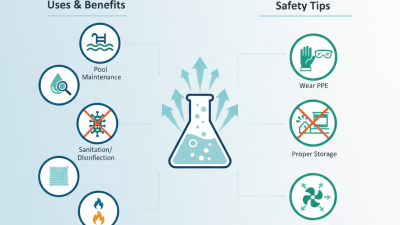
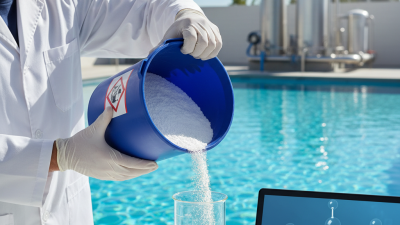
Sophie

Sophie

Sophie is a dedicated marketing professional with a profound expertise in the specialized field of disinfectants and bleaching agents. With years of experience at her company, she has not only honed her skills in promoting products like calcium hypochlorite and trichloroisocyanuric acid, but she......
Previous China Top 10 Water Disinfection Chemicals Suppliers?