Leave Your Message
0%

China's water treatment industry caters to a wide range of users—municipalities, factories, businesses, and farms alike. In this guide, I’ve put together a list of ten notable Chinese suppliers of Water Disinfection Chemicals. When I picked these companies, I looked at things like their product variety, manufacturing skills, export experience, technical support, and the quality standards they follow.

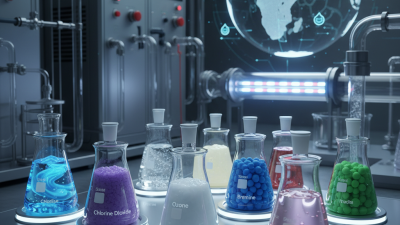
You’ll typically find products like chlorine-based disinfectants, chlorine dioxide solutions, sodium hypochlorite, calcium hypochlorite, and other chemicals used in water treatment. Keep in mind, each application—whether it’s drinking water, wastewater, pools, or process water—needs a different approach. So, it’s important to really consider what fits best for your specific needs.

Details really matter here. A solid evaluation should include checking certificates, safety data sheets, batch testing results, packaging standards, and how consistently they produce quality. Don’t forget to verify active ingredient levels, impurity controls, storage practices, and their ability to deliver on time. Sometimes, independent lab reports can be super helpful when comparing suppliers. And having a chat directly with the factory can give you insights that you won’t find on their website—practical stuff, ya know?

Just a heads-up: this list isn’t supposed to be a ranking set in stone. Market positions change all the time, and things like certifications, product specs, and export history need to be double-checked to make sure you’re getting current info. Keep in mind that some public info might be a bit outdated or promotional, so always do your homework.

Also, bigger doesn’t always mean better. Sometimes, a smaller manufacturer can respond faster with technical info or be more flexible with packaging. Conversely, the bigger players might offer more stable capacity and broader compliance support. So, when you’re choosing a supplier, it’s all about evidence and not just assumptions. Trust, but verify!

The profiles below are intended to help you create a short list of potential suppliers. Before making any purchase or use, make sure you’re aware of your local regulations. Proper dosing, worker safety, transportation, and water quality testing are all crucial. Having a good reputation helps—but at the end of the day, you’ll also want to consider site-specific engineering and the expertise of your team to make sure everything runs smoothly.
China Top 10 Water Disinfection Chemicals Suppliers?

China’s Water Disinfection Chemicals Industry and Supplier Landscape

China Top 10 Water Disinfection Chemicals Suppliers?

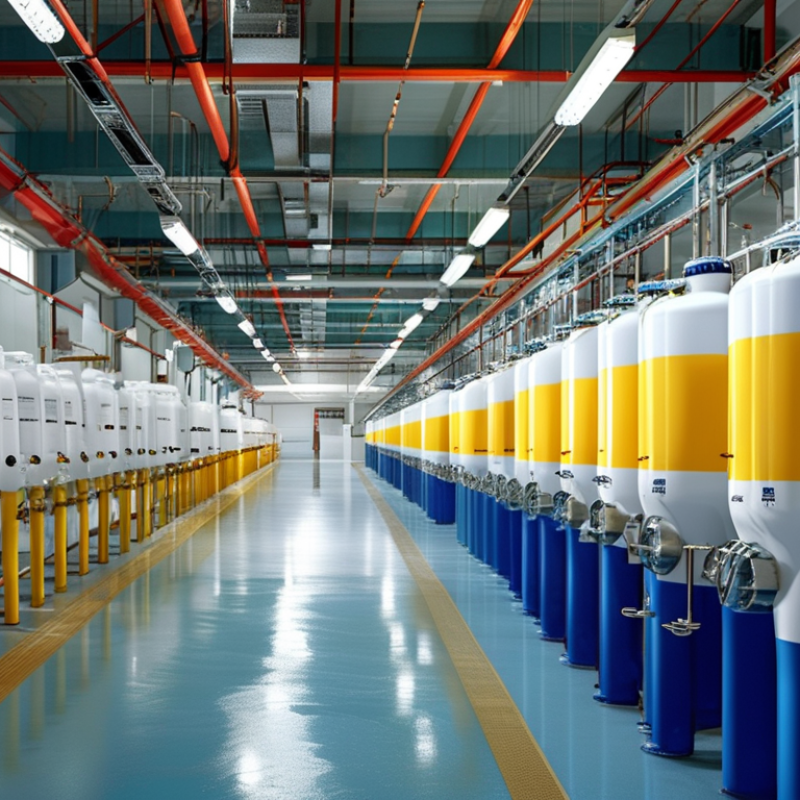
China’s water disinfection chemicals industry serves municipal plants, factories, hotels, and rural treatment systems. Common products include sodium hypochlorite, calcium hypochlorite, chlorine dioxide, and ozone-generation materials. Supplier rankings can change quickly. Production capacity, export experience, and regional logistics affect actual performance.

In practice, reliable suppliers provide recent certificates of analysis, safety data sheets, and batch traceability. They should explain active chlorine content, impurity limits, storage conditions, and dosing requirements clearly. A factory visit can reveal important details, such as clean packaging areas and moisture-controlled warehouses. However, documents alone are not enough. I have seen specifications look excellent while delivery consistency remained uncertain. That point deserves careful review.

Tips:

Request samples from several suppliers. Test them in your actual water conditions. Check pH, temperature, organic load, and contact time before signing a long contract. Ask about packaging damage during humid-season transport. Confirm whether technical staff can support dosing adjustments after installation. A low price may hide weaker concentration or higher handling costs. Also, verify local compliance requirements before importing or using any chemical. Supplier evaluation should include communication speed, emergency response, and willingness to share test methods. Small details matter.

Key Criteria for Evaluating Chinese Disinfection Chemical Suppliers

China Top 10 Water Disinfection Chemicals Suppliers?

Selecting Chinese suppliers requires more than comparing prices or online rankings. A strong evaluation begins with product identity, active concentration, manufacturing records, and batch consistency. Request a recent Certificate of Analysis and Safety Data Sheet for every shipment. Check whether test methods match your local requirements. Wastewater Disinfection Chemicals should also be assessed against water temperature, pH, organic load, and contact time.

Traceability matters.

Ask for batch numbers, production dates, packaging photos, and retention-sample policies. Reliable suppliers can explain how they control impurities, moisture, and concentration changes during storage. Independent laboratory testing can verify available chlorine, bromine content, or other active ingredients. A factory audit may reveal practical details, such as clean filling areas, calibrated instruments, and protected storage rooms. A polished website is not proof.

Technical support separates a seller from a dependable partner. The supplier should provide dosing guidance, compatibility information, emergency handling procedures, and transport documentation. Evaluate response speed with specific questions about your treatment process. Weak answers are warning signs. However, even careful buyers can miss seasonal logistics delays or misunderstand regional regulations. I would compare at least three quotations, inspect sample performance, and review several delivery records before making a decision. Lowest cost can become expensive when unstable chemistry increases maintenance, retesting, or downtime.

China Top 10 Water Disinfection Chemicals Suppliers? - Key Criteria for Evaluating Chinese Disinfection Chemical Suppliers

No. Supply Category Typical Commercial Specification Primary Water-Treatment Use Supplier Data to Verify Logistics and Safety Check Evaluation Priority
1 Chlorine Gas Industrial chlorine is commonly supplied at approximately 99.5% minimum purity, subject to the applicable national or industrial specification. Large municipal plants, drinking-water treatment, wastewater disinfection, and high-throughput systems. Certificate of analysis, purity and moisture results, cylinder inspection records, production license, and hazardous-chemical compliance documents. Confirm approved cylinders, emergency response capability, leakage controls, transport qualification, and delivery distance. Very High
2 Sodium Hypochlorite Liquid grades commonly contain about 5%–13% available chlorine, depending on concentration, age, and intended application. Drinking water, swimming pools, industrial process water, cooling water, and wastewater. Available-chlorine assay, sodium hydroxide content, iron and heavy-metal limits, free-alkali data, batch date, and storage-life information. Use compatible HDPE or suitable lined containers; protect from heat, sunlight, acids, and long storage periods. High
3 Calcium Hypochlorite Solid products commonly provide approximately 65%–70% available chlorine, with granular, tablet, or powder forms. Potable water, swimming pools, emergency disinfection, and decentralized treatment systems. Available chlorine, moisture, insoluble matter, particle size, tablet weight, decomposition data, and independent test results. Require dry, ventilated storage away from organic materials, acids, reducing agents, and combustible packaging. High
4 Chlorine Dioxide Usually supplied as a generated solution or generated on site; practical concentration depends on the generator and application. Drinking water, wastewater, biofilm control, cooling systems, and odor management. Generation method, precursor purity, solution concentration, chlorite and chlorate by-products, system efficiency, and field test results. Check generator certification, ventilation, dosing controls, operator training, and separation of precursor chemicals. High
5 Sodium Chlorite Common commercial forms include aqueous solutions around 25%–31% or solid grades near 80%, depending on the product specification. Precursor for on-site chlorine-dioxide generation in municipal and industrial water treatment. Assay, sodium-chlorate content, sodium-hydroxide content, heavy metals, stability data, packaging approval, and traceability records. Store separately from acids, reducing agents, organic materials, and heat sources; verify hazardous-goods transport arrangements. Very High
6 Trichloroisocyanuric Acid Tablet, granular, and powder products commonly contain about 90% available chlorine. Swimming pools, industrial circulating water, emergency sanitation, and some decentralized applications. Available chlorine, moisture, cyanuric-acid content, pH of solution, dissolution rate, tablet hardness, and batch consistency. Keep dry and cool; prevent contact with acids, ammonia, organic substances, and reducing agents. High
7 Sodium Dichloroisocyanurate Dihydrate and anhydrous grades commonly provide approximately 55%–62% available chlorine. Portable water treatment, swimming pools, food-contact sanitation, and institutional disinfection. Available chlorine, moisture, dissolution time, cyanuric-acid content, tablet or granule dimensions, and microbiological performance data. Confirm water-contact suitability, moisture-resistant packaging, shelf life, and safe segregation from incompatible chemicals. Medium–High
8 Hydrogen Peroxide Water-treatment grades are commonly supplied as 27.5%, 35%, or 50% aqueous solutions. Oxidation, odor control, wastewater treatment, sulfide control, and advanced oxidation processes. Concentration, acidity, stabilizer level, iron and heavy-metal impurities, decomposition rate, and container compatibility. Use vented compatible containers; protect from contamination, heat, direct sunlight, and contact with combustible materials. High
9 Ozone Generation Systems Ozone is generated on site; supplier capacity is normally stated in grams or kilograms of ozone per hour rather than as a stored chemical concentration. Drinking water, bottled water, aquaculture, advanced wastewater treatment, and color or odor reduction. Ozone output, feed-gas quality, energy consumption, transfer efficiency, residual ozone control, materials of construction, and commissioning records. Verify ozone destruct units, ventilation, electrical protection, leak detection, maintenance support, and spare-parts availability. Medium–High
10 Potassium Permanganate Industrial and water-treatment grades are commonly supplied as crystals or granules with high assay, frequently around 97%–99%. Oxidation of iron, manganese, sulfide, taste, odor, and selected organic contaminants; not a universal primary disinfectant. Assay, insoluble matter, moisture, heavy metals, particle-size distribution, dosage performance, and applicable water-contact documentation. Store away from acids, peroxides, organic materials, and combustible substances; confirm packaging and hazardous-goods handling procedures. Medium
Recommended supplier-screening rule: Compare suppliers using current certificates of analysis, independent laboratory verification, production and hazardous-chemical qualifications, batch traceability, packaging compliance, export documentation, delivery reliability, technical support, and total delivered cost. Product specifications may vary by grade and contract, so final acceptance should be based on the supplier’s current technical data sheet and test report.

Top 10 Water Disinfection Chemical Suppliers in China

China’s top 10 Water Disinfection chemical suppliers should be assessed by more than production volume. Water Disinfection projects require stable purity, traceable batches, and responsive technical support. The WHO and UNICEF Joint Monitoring Programme reported that 2.2 billion people lacked safely managed drinking water in 2022. This pressure is expanding treatment investment across municipalities, factories, and rural facilities.

A practical top-10 shortlist should examine sodium hypochlorite, calcium hypochlorite, chlorine dioxide, and related treatment chemicals. Check active-content testing, contaminant controls, safety documentation, and delivery capacity. China’s Ministry of Ecology and Environment reported that 89.4% of monitored surface-water sections reached good-quality grades in 2023. Yet strong water quality does not remove the need for reliable disinfection at the plant level. Supplier rankings can change. That is worth admitting.

Tips: Request a recent certificate of analysis, sample test results, and storage guidance before purchasing. Compare available chlorine, dosage stability, packaging, and transport conditions. A low quotation may hide weaker concentration or inconsistent batches. Ask for references from facilities with similar water temperature and turbidity. The Global Water Intelligence market analysis also shows continuing investment in advanced municipal treatment, but chemical demand varies by region. Do not select a supplier from a catalogue alone; test the chemical in your actual process.

Main Products Offered by China’s Leading Suppliers

China Top 10 Water Disinfection Chemicals Suppliers?

Main Products Offered by China’s Leading Suppliers

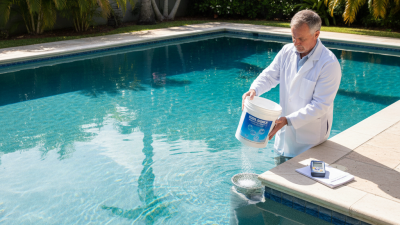
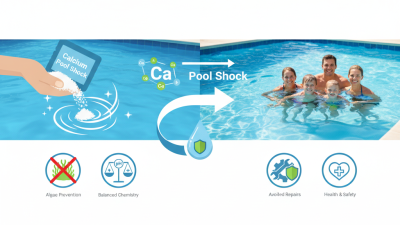
China’s leading water disinfection chemical suppliers usually offer calcium hypochlorite, sodium hypochlorite, chlorine tablets, and dosing solutions. Calcium hypochlorite remains popular because it stores well and contains a high percentage of available chlorine. It is widely used in municipal plants, hotels, swimming pools, and emergency water treatment.

Calcium Hypochlorite For Drinking Water Disinfection requires careful control of dosage, contact time, and pH. The WHO Guidelines for Drinking-water Quality recommend at least 0.2 mg/L free chlorine at the delivery point. They also note that 0.5 mg/L after 30 minutes can support effective disinfection when pH remains below 8.0. Small details matter. A supplier should provide active chlorine data, batch certificates, impurity limits, and clear storage instructions.

Sodium hypochlorite is often supplied as a liquid for automatic dosing systems. It is convenient, but heat and sunlight reduce its strength during storage. Tablet products can simplify handling in smaller facilities, although dissolution speed may vary. Leading suppliers may also provide pumps, test kits, dosing skids, and technical guidance. A product catalogue alone is not enough. Buyers should review stability testing, packaging quality, transport records, and independent laboratory results. The list is not flawless. Actual performance depends on water temperature, organic load, pH, and operator training.

Quality Standards, Certifications, and Regulatory Compliance

Selecting China’s top 10 water disinfection chemicals suppliers requires more than comparing production capacity. Quality should begin with GB 5749-2022, China’s drinking water quality standard, and NSF/ANSI/CAN 60 for treatment chemicals. Suppliers should also provide ISO 9001 systems and ISO/IEC 17025 laboratory evidence. Their certificates must match the actual manufacturing site and product grade.

For Disinfection Of Drinking Water, buyers should request batch-specific certificates of analysis. Check active chlorine, purity, heavy metals, insoluble matter, and shelf life. A reliable shipment arrives in sealed containers, with clear hazard labels and traceable batch numbers. The WHO Guidelines for Drinking-water Quality stress effective microbial control without creating unacceptable chemical risks. The WHO/UNICEF Joint Monitoring Programme reported that 2.2 billion people lacked safely managed drinking water in 2022. That figure makes verification practical, not decorative.

On-site experience often reveals weak points. Inspect storage areas for moisture, damaged seals, and mixed batches. Test residual disinfectant after dosing, not only before delivery. Supplier rankings can help shortlist candidates, but they cannot replace an independent audit. Some documents may be valid yet incomplete. That deserves scrutiny. A stronger review compares regulatory records, test methods, recall history, and technical support before signing a contract.

How to Compare Prices, Capacity, and Technical Support

Comparing China’s top water disinfection chemical suppliers requires more than checking a price list. A low quotation may exclude packaging, inland transport, testing, or hazardous-goods handling fees. Compare the delivered cost per kilogram and, more importantly, the cost per cubic meter of treated water. Ask for recent certificates of analysis, safety data sheets, production dates, and batch consistency records. Documents matter. They are not decoration.

Capacity should be verified through practical evidence. Request the stated monthly output, reserved production capacity, storage conditions, and normal lead time. A supplier claiming 10,000 tons monthly should explain its facilities and quality-control process. Check whether it can maintain supply during seasonal demand or equipment maintenance. Trial orders reveal more than impressive brochures. I once focused too heavily on capacity figures and overlooked inconsistent delivery schedules.

Technical support often separates a reliable supplier from a cheap one. Ask whether engineers can review raw-water conditions, dosage targets, contact time, and residual disinfectant requirements. Clear answers should include testing methods, recommended handling procedures, and a response time for urgent questions. Remote support may be enough for routine dosing, but difficult water conditions can require sample analysis or on-site assistance. Compare the quality of these services, not just their availability. Some support promises sound strong, yet remain vague when operators ask for specific troubleshooting steps.

China Top 10 Water Disinfection Chemicals Suppliers: Price, Capacity and Technical Support

Anonymous benchmark of ten China-based supplier profiles for calcium hypochlorite products commonly traded for water disinfection. Prices are indicative FOB China levels in USD per metric ton, capacity is estimated annual production capacity in thousand metric tons, and technical support is scored from 1 to 5 based on typical documentation, formulation guidance, compliance support and after-sales service.

Lower price and higher capacity may improve purchasing efficiency, while a higher technical-support score can reduce qualification, handling and application risks. Actual quotations vary by chlorine concentration, packaging, order volume, Incoterms and destination.

How to Select and Purchase from a Chinese Supplier

Selecting a Chinese water disinfection chemicals supplier requires more than comparing unit prices. Ask for exact active content, impurity limits, physical form, and packaging details. Request a current COA, SDS, production license, quality certificates, and recent batch records. A reliable supplier should explain test methods, shelf life, storage temperature, and traceability. Verify important documents independently when possible. Paperwork can look perfect.

Before purchasing, order a small trial batch. Test dissolution, odor, residue, and disinfection performance in your actual water. Confirm the product suits your application and local requirements. Define acceptance standards before shipment. Your contract should state batch numbers, net weight, packaging condition, delivery terms, and replacement procedures. Keep a retained sample from every shipment. A lower quote may hide moisture, weak concentration, or damaged packaging. That risk is easy to underestimate.

Tips: Visit the factory, or arrange a live video inspection. Check raw-material storage and filling areas. Ask who handles quality complaints. Compare three written quotations, but do not choose by price alone. Clarify payment milestones and shipping documents. One practical mistake is trusting a certificate without checking its date or issuing laboratory. Leave room for questions. Good suppliers do not avoid them.

FAQS

: What products do leading water disinfection chemical suppliers usually offer?

: Common products include calcium hypochlorite, sodium hypochlorite, chlorine tablets, and dosing equipment. Some suppliers also provide pumps, test kits, and dosing systems. Small details matter.

Why is calcium hypochlorite widely used?

It stores relatively well and contains a high percentage of available chlorine. It suits municipal plants, hotels, swimming pools, and emergency treatment. Storage conditions still affect product quality.

What information should buyers request before purchasing?

Request active chlorine content, impurity limits, packaging details, and physical form. Ask for a current COA, SDS, production license, and recent batch records. Check certificate dates carefully. Paperwork can mislead.

How should drinking water disinfection performance be assessed?

Control dosage, contact time, pH, temperature, and organic load. A common target is 0.2 mg/L free chlorine at the delivery point. Around 0.5 mg/L after 30 minutes may support disinfection below pH 8.0.

What should buyers know about sodium hypochlorite?

Sodium hypochlorite is usually supplied as a liquid for automatic dosing. Heat and sunlight can reduce its strength during storage. Use suitable containers and protect them from direct sunlight.

Are chlorine tablets suitable for smaller facilities?

Tablets can simplify handling and storage in smaller facilities. Their dissolution speed may vary between products and water conditions. Test the tablets before regular use.

How can buyers evaluate a supplier before placing a large order?

Order a small trial batch and test dissolution, odor, residue, and treatment performance. A factory visit or live video inspection can reveal storage and filling practices. Still, one inspection cannot prove everything.

What should a purchasing contract include?

State batch numbers, net weight, packaging condition, delivery terms, and replacement procedures. Clarify payment milestones and shipping documents before production begins. Keep a retained sample from every shipment. This step is easy to miss.

Why should buyers avoid choosing only by price?

A low quotation may hide weak concentration, moisture, or damaged packaging. Compare at least three written quotations and review independent test results. Price is useful, but incomplete.

What storage and quality problems deserve special attention?

Check shelf life, storage temperature, packaging seals, and batch traceability. Review transport records when chemicals have traveled long distances. We may still overlook small storage failures.

Conclusion

China has developed a broad and competitive industry for Water Disinfection Chemicals, supported by strong manufacturing capacity, diverse product lines, and growing demand from municipal, industrial, agricultural, and commercial water-treatment projects. This overview explains the supplier landscape and identifies the main factors buyers should consider, including product consistency, treatment performance, production capacity, delivery reliability, technical expertise, and customer service. It also introduces the types of disinfection chemicals commonly offered by leading Chinese suppliers without focusing on individual brand names.

The article further discusses quality standards, certifications, testing procedures, environmental responsibilities, and regulatory compliance that can help buyers reduce procurement risks. It compares suppliers according to pricing transparency, minimum order quantities, customization options, logistics, technical support, and after-sales communication. Finally, it provides a practical framework for selecting and purchasing from a Chinese supplier, including verifying documentation, requesting samples, evaluating production facilities, confirming safety information, and establishing clear requirements for packaging, delivery, and long-term cooperation.
Clara

Clara

Clara is a dedicated marketing professional with extensive knowledge of specialized disinfectants and bleaching agents, including calcium hypochlorite and trichloroisocyanuric acid. With years of experience in the industry, she has not only embraced her role as a marketer but also as an artisan who......
Previous Industrial Humate Benefits Tips for Global Buyers?