



Advanced Solutions for Industrial Water Systems: A Strategic Guide to Leveraging Trichloroisocyanuric Acid for Long-Term Efficiency
In today's highly competitive industrial landscape, water quality management has evolved from a routine maintenance task into a critical strategic priority. From heavy manufacturing facilities utilizing massive cooling towers to commercial water treatment plants and textile processing hubs, maintaining microbial control is essential for operational continuity. The presence of algae, bio-films, and pathogenic bacteria not only threatens public health but also inflicts severe mechanical damage, such as accelerated piping corrosion and reduced heat exchange efficiency. For procurement managers and chemical engineers tasked with balancing operational excellence with rigorous cost control, finding a chemical sanitizer that delivers reliability, high potency, and long-term stability is paramount. This is where Trichloroisocyanuric Acid has proven to be an indispensable asset in modern industrial water chemistry.
The Chemical Superiority and Economic Viability of Stable Chlorine Technology
Traditional water disinfection often relied heavily on liquid chlorine or sodium hypochlorite solutions. While these methods are effective at killing microbes, they present significant logistical and operational drawbacks. Liquid bleach degrades rapidly under ambient temperatures and exposure to sunlight, leading to inconsistent concentration levels and unpredictable treatment results. Furthermore, the transportation and storage of large volumes of liquid hazardous chemicals incur high logistics costs and require specialized, expensive containment infrastructure.
In stark contrast, solid-state dry chlorine technology offers a transformative alternative. With an active chlorine content that consistently reaches up to ninety percent, this compound represents one of the most concentrated forms of dry sanitizer available on the global market. The structural stability of Tcca Chlorine ensures that the active ingredients remain potent even after extended periods of storage in warm climates. For international procurement specialists, this exceptional shelf life translates directly into tangible financial advantages: reduced waste from product degradation, the ability to make bulk strategic purchases, and significantly lower shipping costs per unit of active sanitizing power.
A Deep Dive into Diverse Industrial Applications
Understanding the breadth of Trichloroisocyanuric Acid Uses allows plant engineers to implement highly tailored water treatment protocols across various sectors. Each industry presents unique challenges that require a specific understanding of how this powerful sanitizer behaves in different environments.
In industrial recirculating cooling systems, the primary enemy is bio-fouling. Microscopic algae and bacteria adhere to the internal surfaces of heat exchangers, forming a resilient slime layer that acts as an insulator, driving up energy consumption and risking system failure. By maintaining a consistent residual level of sanitizer, engineers can systematically dissolve these biological barriers and maintain peak thermodynamic performance. Beyond industrial cooling, the textile and paper industries leverage the powerful oxidizing properties of this chemical as an effective bleaching agent. It provides a controlled whitening effect on cotton and synthetic fibers without causing excessive degradation of the tensile strength of the materials, which is a common issue with harsher bleaching alternatives. Furthermore, in post-harvest agricultural wash water and civil sanitation projects, its rapid germicidal action ensures that water-borne pathogens are neutralized swiftly, protecting downstream supply chains and community health.
Optimizing Dosing Strategy: The Role of Advanced Formulations
One of the most practical decisions an engineering team must make is determining the ideal physical delivery system for their facility. The choice between granular products and compressed forms is not merely a matter of convenience; it directly dictates the chemical kinetics within the water system.
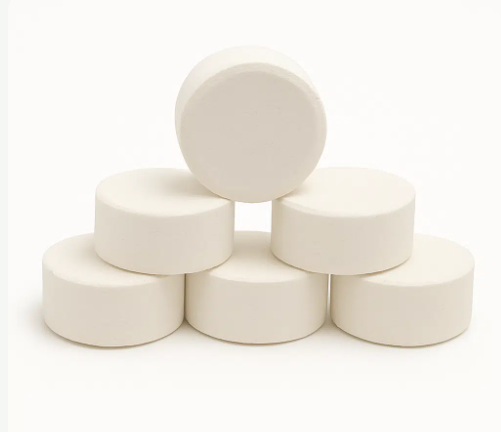
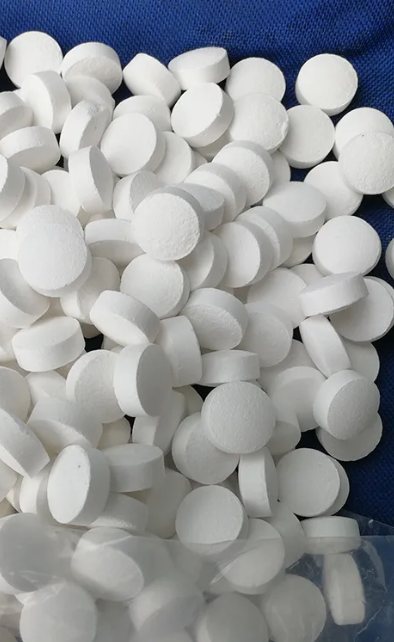
For continuous, automated disinfection cycles, Tcca 90 Tablets represent the gold standard in operational efficiency. These compressed structures are engineered using high-pressure manufacturing techniques to ensure a uniform density. When placed inside erosion feeders, brominators, or automatic skimmers, they dissolve at a slow, predictable rate. This controlled dissolution delivers a steady stream of hypochlorous acid into the water flow, preventing the dangerous peaks and valleys of chlorine concentration that often result from manual powder dosing. This steady state is critical for protecting expensive alloy components in industrial machinery from the corrosive effects of localized high-chlorine shocks. Conversely, granular forms are utilized as an emergency intervention tool. When a water system experiences a sudden organic overload due to heavy rainfall, surface runoff, or a mechanical breakdown in filtration, a calculated application of granules provides the immediate oxidative power needed to regain control of the system's microbial profile.
Logistics Security, Supply Chain Resilience, and Global Compliance Standards
Navigating the international chemical supply chain requires more than just finding a competitive price. Because of its high concentration and strong oxidizing capabilities, this compound is globally regulated under the International Maritime Dangerous Goods code as a Class 5.1 hazardous substance. This classification demands a sophisticated approach to both packaging and international shipping logistics.
For procurement professionals overseas, partnering with an experienced exporter who understands compliance is crucial to preventing costly customs delays or port rejections. High-quality packaging is non-negotiable. The product must be sealed in heavy-duty polyethylene drums or specialized bulk bags that offer complete protection against moisture ingress, as any contact with humidity during ocean transit can cause premature decomposition. Furthermore, warehouses must be managed with strict safety protocols: storing the chemical in a cool, dry environment completely isolated from incompatible substances such as acids, ammonium compounds, and organic materials. Ensuring that your supplier possesses valid global regulatory certifications, such as compliance with relevant environmental and safety frameworks, guarantees that the product meets international purity standards and will seamlessly pass through rigorous import inspections, ensuring a resilient and uninterrupted supply chain for your operations.