

As Water Quality Challenges Become More Complex, Activated Carbon Selection Is Changing
In the past, activated carbon had a relatively simple role in the water treatment industry. When water contained unpleasant odors, color, or certain organic contaminants, activated carbon was often introduced as an additional treatment step.
Today, the situation is changing.
As industrial production demands greater consistency in water quality, engineers are facing increasingly complex treatment challenges. In many cases, water may already look clear after conventional filtration but still require further treatment. The factors affecting downstream processes may be organic compounds or other trace contaminants that are present at relatively low concentrations but remain in the water for extended periods.
As a result, activated carbon is gradually moving from a traditional “filtering material” to a functional material that requires more careful selection within the treatment system.
Activated Carbon Selection Is Moving from Specifications to Applications
In the past, buyers often focused primarily on price, particle size, and several standard specifications when purchasing activated carbon.
These specifications are certainly important, but they do not completely answer a more practical question: Is this activated carbon suitable for my treatment system?
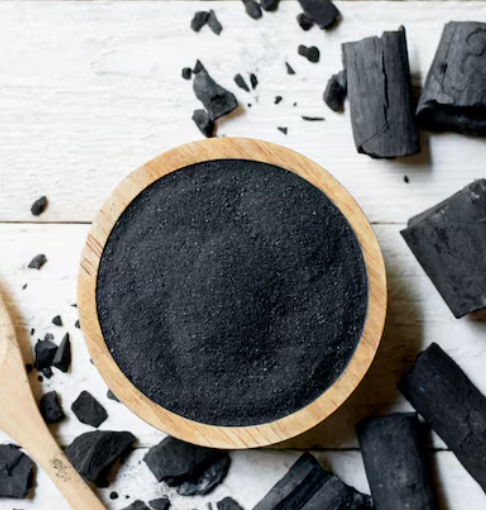
Activated carbon made from different raw materials can have different pore structures and adsorption characteristics. For example, Coconut Shell Activated Carbon is known for its developed microporous structure and can be valuable in certain water treatment and purification applications.
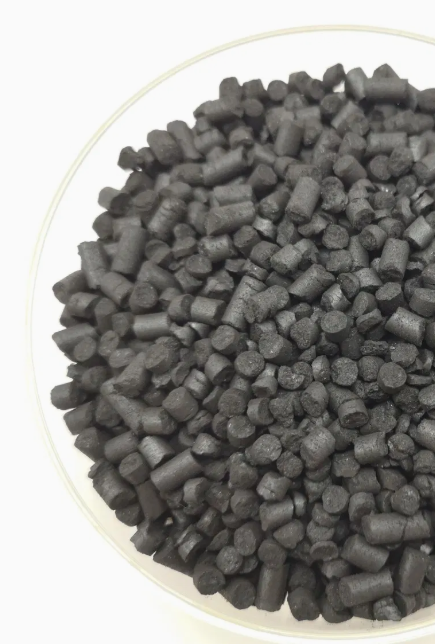
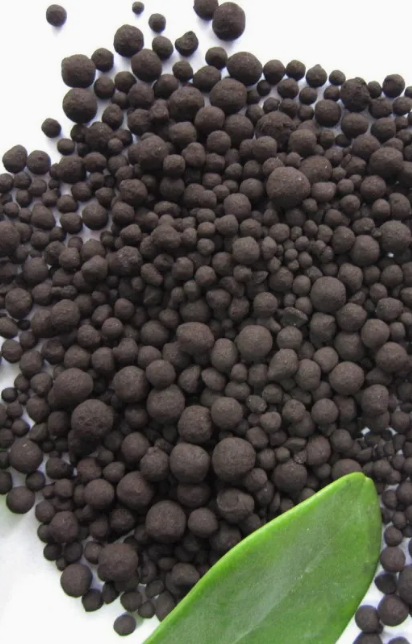
For filtration systems designed for continuous operation, particle form, mechanical strength, and operational stability can also be important. Granular Activated Carbon can be used in fixed-bed filters and filtration vessels, where it performs adsorption as water continuously passes through the treatment media.
Therefore, there is no single "standard answer" that fits every activated carbon project.
A suitable choice needs to consider the characteristics of the source water, target contaminants, equipment design, and the overall treatment process.
Why Are Industrial Customers Paying More Attention to Compatibility?
Industrial water treatment has one important characteristic that distinguishes it from many ordinary water applications: water quality is often not constant.
Changes in raw materials, production processes, and equipment operating conditions can all affect the water entering a treatment system.
For example, after long-term circulation, certain organic compounds may gradually accumulate in some industrial water systems. Conventional filtration can remove suspended particles, but it may not address every dissolved contaminant.
This is where activated carbon can become part of an advanced treatment stage.
For engineers, the key question is not simply whether activated carbon can adsorb contaminants. They also need to consider whether the material can maintain stable performance under actual operating conditions and whether it can work effectively with existing equipment and other filtration media.
This is why Carbon Filter Media is increasingly being considered not simply as a material supply, but as part of a broader filtration system.
From Water Treatment to Air Purification
The changing role of activated carbon is not limited to water treatment.
As industrial environmental requirements continue to develop, activated carbon is also receiving greater attention in air purification and gas adsorption applications. Certain gaseous pollutants and odor-causing substances can also be treated through adsorption using activated carbon materials.
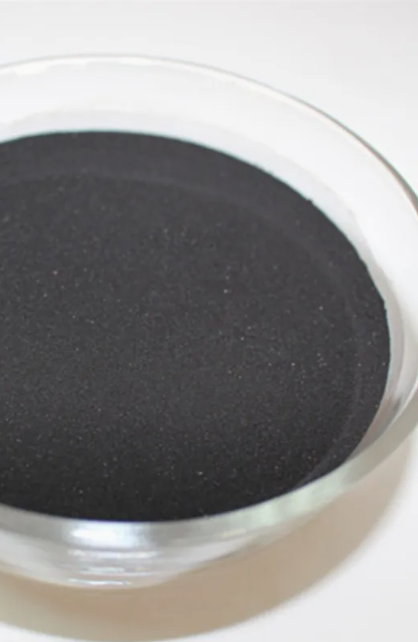
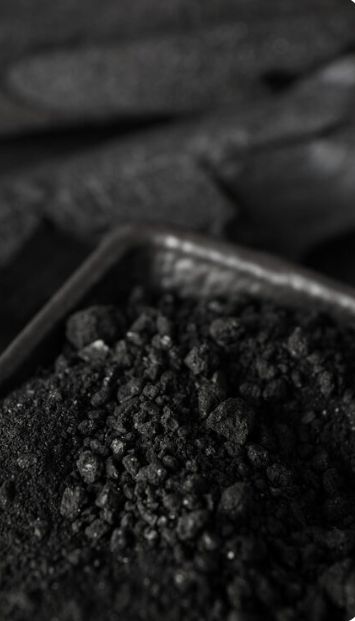
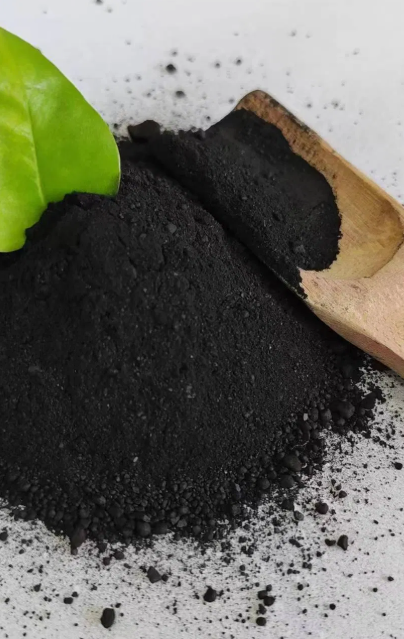
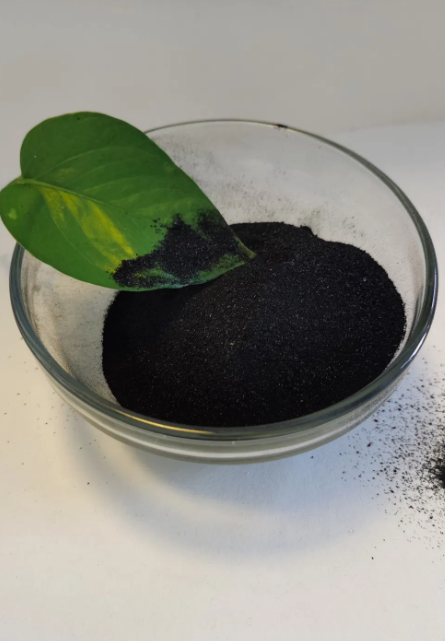
This means activated carbon is no longer simply a black material inside a water treatment plant. It is becoming a functional material with applications across multiple industrial environmental sectors.
Of course, different applications require different material characteristics.
Activated carbon used for water treatment needs to be considered together with water quality, flow conditions, and filtration equipment. Products used for air purification need to be evaluated according to gas composition, concentration, humidity, and equipment design.
In other words, future competition in the activated carbon industry may increasingly be less about comparing products and more about matching materials with specific applications.
Customers Need Materials That Solve Real Problems
For professional buyers, the value of an activated carbon product is not defined only by several numbers on a specification sheet.
They want to know where the raw material comes from, which processes the product is suitable for, how stable it can remain during long-term operation, and whether the supplier understands their actual application.
This means activated carbon suppliers need to move beyond simple product sales and provide more application-oriented support.
From raw material selection and production processes to particle specifications and application recommendations, every stage can influence the final performance of the product.
As industrial water treatment becomes increasingly sophisticated, activated carbon will continue to have broad application potential. At the same time, the market is likely to favor suppliers that understand customer requirements, provide consistent products, and place greater emphasis on real-world applications.
A particle of activated carbon may look ordinary, but inside a complex industrial water treatment system, its role is becoming increasingly important.