




Beyond Basic Disinfection: Navigating Biofilm Mitigation and Cross-Border Compliance in Industrial Water Treatment
In today's globalized manufacturing landscape, operators of large-scale industrial cooling towers, wastewater plants, and commercial water circuits face a dual challenge: maintaining optimal system efficiency while adhering to an increasingly complex framework of international chemical regulations. For procurement directors, chemical distributors, and water treatment engineers, the priority has shifted from simply sourcing low-cost sanitizers to securing high-purity TCCA Chemical solutions that ensure operational continuity, equipment longevity, and full supply chain compliance.
Tackling the Biofilm Barrier in Complex Water Systems
While traditional water treatment protocols focus primarily on neutralizing planktonic (free-floating) bacteria, field engineers know that the most destructive threat lies embedded within biological slime, commonly known as biofilm. Biofilm consists of complex microbial communities protected by an Extracellular Polymeric Substance (EPS) matrix. Standard liquid bleach or low-concentration chlorine treatments often fail to penetrate this protective barrier, leading to excessive chemical consumption, persistent microbial regrowth, and severe microbially influenced corrosion (MIC) on heat exchanger surfaces.
This is where advanced applications of Trichloroisocyanuric Acid prove critical. Possessing a remarkably high concentration of available chlorine—typically around 90%—and a stable hydrolytic rate, Trichloroisocyanuric formulations provide a sustained, controlled release of hypochlorous acid (HOCl). Unlike fast-degrading unsterilized chlorine sources, this persistent oxidative presence effectively breaks down the protective EPS matrix, penetrating deep into the biofilm architecture. The localized oxidation strips away organic fouling from pipeline inner walls, restoring thermal transfer efficiency and drastically extending the operational lifecycle of critical industrial infrastructure.
Regulatory Compliance and Global Logistics: The Procurement Imperative
For global sourcing managers, product efficacy is only half the equation. The logistical and regulatory hurdles associated with importing class 5.1 hazardous chemicals have multiplied significantly in recent years. Regulatory frameworks such as the U.S. Environmental Protection Agency (EPA) registration standards, European REACH compliance, and stringent International Maritime Dangerous Goods (IMDG) packing requirements leave no room for error.
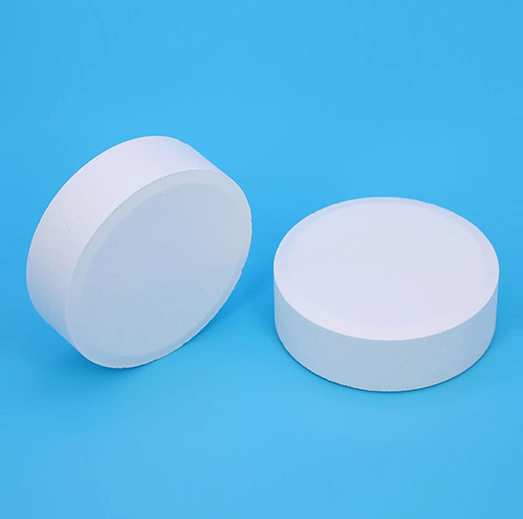
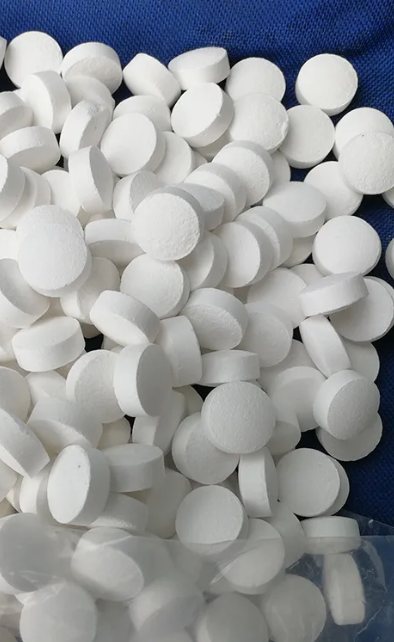
Procuring TCCA Tablets or granular formulations across international borders requires a supply chain partner capable of ensuring strict quality control and packaging integrity. Issues such as improper UN-rated drums, insufficient moisture-proof inner liners, or mislabeled maritime documentation can result in severe port delays, customs rejections, and substantial demurrage costs. Industrial buyers increasingly prioritize manufacturers who provide comprehensive analytical documentation, certified UN packaging, and end-to-end regulatory transparency to guarantee smooth customs clearance and safe transport.
Modern Industrial Practices: Optimizing Tcca 90 Uses for Long-Term Value
As industries push toward zero liquid discharge (ZLD) and maximized water recycling ratios, the demand for high-grade Tcca 90 Chlorine Tablets and specialized dosing strategies continues to grow. Utilizing ultra-pure chemical inputs reduces unwanted residual byproducts, prevents scaling on sensitive filtration membranes, and lowers the overall operational footprint of water treatment facilities.
Ultimately, successful water management rests on combining superior chemical performance with absolute supply chain reliability. By integrating high-purity chemical formulations with proactive regulatory compliance, global industrial enterprises can protect their critical assets, mitigate supply chain risks, and achieve sustainable water recycling goals for years to come.