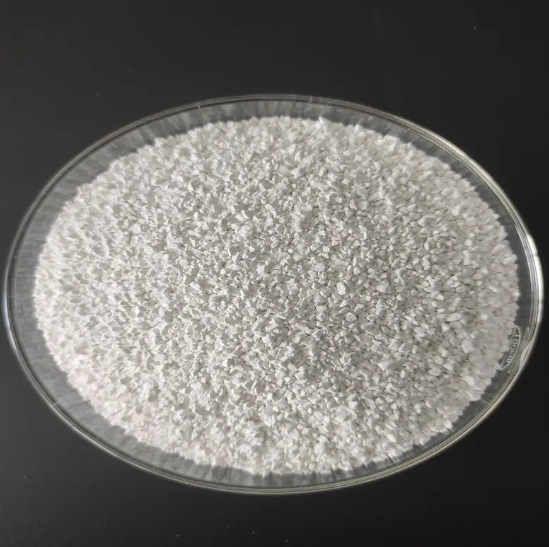


Beyond Traditional Boundaries: The Strategic Value of Cyanuric Acid (CYA) in Climate Adaptability and Next-Generation Industrial Applications
As the global supply chain transitions toward low-carbon efficiency and stringent compliance, conventional chemical raw materials are experiencing a profound transformation in their application scope. Cyanuric acid (CYA), recognized globally as a critical functional component in water treatment and chemical synthesis, has long been associated with baseline water conditioning and disinfectant precursory reactions. However, under the present challenges of global climate change, intense ultraviolet exposure, and escalating soil degradation, CYA is revealing fresh strategic potential well beyond traditional industrial perceptions.
For international B2B procurement managers, chemical supply chain strategists, and agronomy engineers, re-evaluating the multi-dimensional properties and cross-industry capabilities of CYA provides not only operational cost optimizations but also a competitive technological edge in an eco-conscious marketplace.
1. Combating Extreme UV Degradation: Advanced Water Conservation and Active Chlorine Longevity
In open-air industrial cooling, commercial aquatic facilities, and municipal water setups, available free chlorine degrades rapidly under direct solar ultraviolet radiation. This rapid breakdown forces procurement officers to increase chemical dosing frequencies and volumes, directly driving up operational expenditure while elevating the risk of equipment corrosion and unwanted residual standard shifts.
As summer temperature extremes continue to record unprecedented levels globally, legacy water care methods encounter diminishing returns. Functioning as a high-efficiency Chlorine Stabilizer, CYA establishes a dynamic, reversible protective bond with free chlorine in aqueous environments. This mechanism acts as a molecular shield against ultraviolet degradation, extending the functional lifespan of active sanitizing agents significantly.
From an engineering perspective, integrating highly pure CYA allows large-scale operations to maintain consistent sanitization efficacy while reducing overall active chemical consumption rates. This consumption drop aids industrial facilities in meeting increasingly strict environmental discharge standards, minimizing chemical runoff while drastically reducing recurring maintenance costs.
2. High-Precision Synthesis: The Quality Foundation as a TCCA and SDIC Intermediate
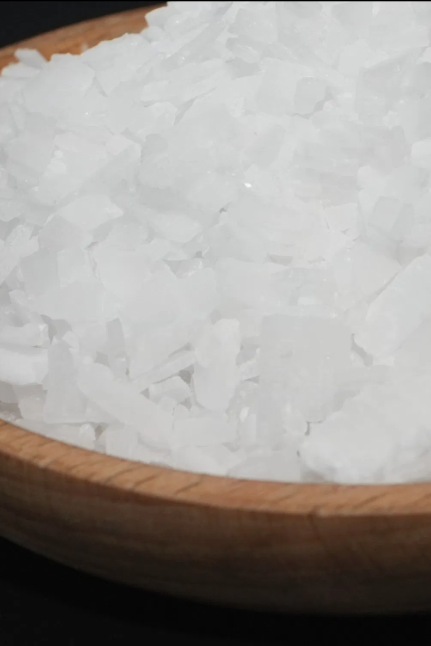
Within the synthetic chemical industry, CYA serves as the foundational TCCA Intermediate (Trichloisocyanuric Acid) and SDIC Intermediate (Sodium Dichloroisocyanuric Acid). The total available chlorine percentage, dissolution dynamics, long-term storage stability, and structural integrity of the final halogenated products depend directly on the purity, moisture content, and crystalline uniformity of the input CYA material.
Modern B2B buyers have shifted from basic price-per-ton evaluations to comprehensive audits of upstream manufacturing stability. Substandard CYA containing excessive impurities leads to unwanted side reactions during chlorination, compromising final product activity, encouraging caking, and raising potential safety hazards during oceanic transit.
High-purity CYA ensures maxed-out reaction yield and minimizes waste byproducts during synthesis. For downstream chemical producers aiming to secure top-tier international certifications and expand into regulated Western markets, utilizing consistent, high-spec CYA is the ultimate technical prerequisite for product reliability.
3. Cross-Industry Agri-Innovation: Soil Structure Enhancement and Controlled Nutrient Delivery
While CYA is predominantly known for aquatic chemical applications, emerging agronomic research highlights its intriguing potential within sustainable agricultural practices and soil enhancement.
Global topsoil degradation, coupled with excessive synthetic fertilizer usage, has created urgent demand for controlled-release nutrients and soil health restoration solutions. CYA possesses a stable, nitrogen-dense triazine ring structure that resists rapid chemical breakdown in soil environments. When appropriately formulated for soil treatment applications, it operates as a viable Slow-Release Nitrogen Source, preventing the rapid volatilization and leaching losses typical of conventional nitrogen fertilizers like standard urea.
Furthermore, specialized CYA formulations interact favorably with the soil particle matrix, assisting in moisture retention and improving localized nutrient adsorption efficiency. This cross-sector application opens promising avenues for drought-prone agricultural regions and provides forward-thinking distributors with fresh high-margin product opportunities.
4. Global Compliance and Green Supply Chain Modernization
International regulatory frameworks—including REACH, EPA standards, and stringent dangerous goods maritime shipping protocols—continue to raise the bar for global chemical trade. Upstream manufacturers are required to demonstrate not only chemical purity, but also supply chain transparency, sustainable packaging, and minimized carbon footprints.
For global sourcing executives, partnering with a supplier capable of providing fully certified, high-grade CYA with complete quality traceability is essential for mitigating supply chain volatility. By optimizing bulk packaging density, improving moisture resistance, and adhering to international ESG standards, advanced CYA supply models empower global clients to achieve regulatory compliance and long-term economic sustainability.