


Beyond Traditional Water Purification: A Deep Technical Analysis of Sodium Humate in Modern Aquaculture and Industrial Applications
1. Introduction: Addressing Dual Challenges in Water Quality and Ecology
In modern high-density aquaculture and modern industrial wastewater treatment practices, identifying a natural organic compound that integrates high-efficiency adsorption, biological stimulation, and eco-friendly properties remains a core focus of technological innovation. Traditional water conditioning methods often rely heavily on single-function disinfection or chemical precipitation, which can easily induce secondary pollution and disrupt native micro-ecological balances.
Sodium Humate, an organic macromolecular sodium salt refined through alkaline extraction from high-grade natural weathered coal or lignite, is rich in functional groups such as carboxyl, phenolic hydroxyl, and quinone groups. These unique chemical features enable Sodium Humate to deliver performance far beyond that of standard water purifiers. From pond bottom remediation in intensive shrimp farming to heavy metal chelation in complex industrial effluents, Sodium Humate demonstrates robust application value across multiple sectors.
2. Mechanisms of Action: Synergistic Effects of 3D Molecular Structures and Active Functional Groups
Understanding the high performance of Sodium Humate requires examining its molecular and physicochemical properties:
-
Three-Dimensional Porous Network & Strong Adsorption
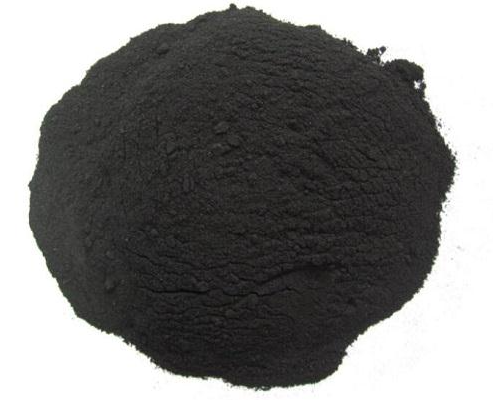
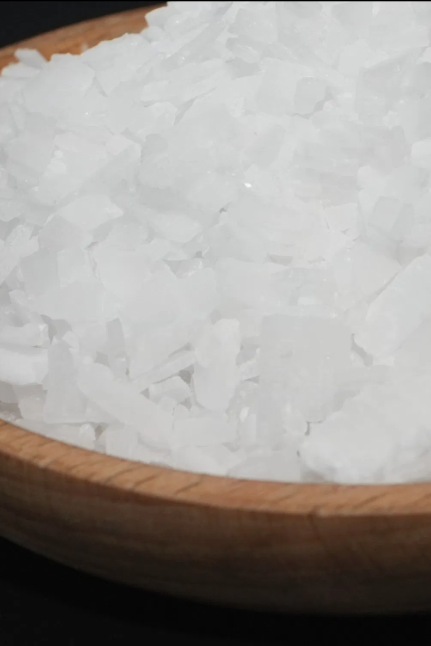
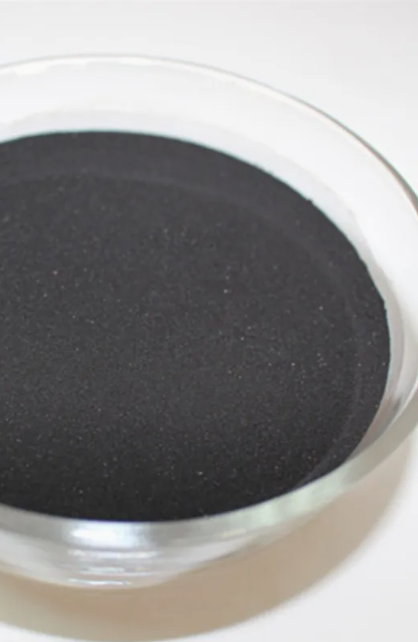
Sodium Humate possesses a highly developed microporous structure and a large specific surface area, providing exceptional physical adsorption and flocculation capacity. When dissolved in water, Sodium Humate Powder or dissolved flakes quickly entrap suspended solids, organic debris, and micro-algal toxins, rapidly improving water clarity.
-
High Cation Exchange Capacity (CEC) & Multivalent Chelation
The carboxyl and phenolic hydroxyl groups along the polymer chain carry negative charges, allowing them to form stable chelate complexes with heavy metal ions (e.g., copper, lead, cadmium, ferrous iron). This process reduces the bio-availability and toxicity of heavy metals in aquatic ecosystems.
-
Physical Light-Blocking & Shading Effect
Once added to water bodies, Sodium Humate imparts a dark brown hue, absorbing blue and purple light spectra. This physical shading mechanism suppresses photosynthetic activity in bottom-dwelling filamentous algae, moss, and harmful cyanobacteria, preventing runaway algal blooms.
3. Applications in Aquaculture: From Water Conditioning to Substrate Remediation
In intensive culturing systems for species like Litorenaeus vannamei (Pacific white shrimp), crabs, and high-value fish, Sodium Humate functions as an advanced Aquaculture Water Conditioner and Pond Water Treatment agent:
1. Substrate Remediation and Deodorization in Aging Ponds
In the later stages of high-density culture, feed residues, metabolic waste, and dead algae accumulate at the bottom, creating anaerobic and foul-smelling sediment. Leveraging its porous architecture, Sodium Humate penetrates substrate pores, adsorbs free ammonia nitrogen, hydrogen sulfide, and methane, and alleviates soil compaction to restore benthic permeability.
2. Detoxification and Anti-Stress Support
Sudden weather shifts, heavy rainfalls, or chemical overdoses frequently induce severe stress in cultured aquatic species. As a multi-functional Water Quality Improver, Sodium Humate neutralizes residual toxins while its weak alkaline buffering capacity stabilizes water pH, protecting animals like shrimp during sensitive molting phases (making it an ideal Shrimp Farming Additive).
3. Carbon-Nitrogen Ratio Balancing and Micro-Algae Regulation
Upon mineralizing, Sodium Humate releases bioavailable organic carbon. When combined with beneficial microbial inoculants (such as Bacillus species), it stimulates the proliferation of beneficial unicellular algae (e.g., Chlorella and diatoms), establishing a resilient bacterial-algal ecological equilibrium.
4. Industrial and Cross-Sector Applications: A Cost-Effective Green Additive
Beyond aquaculture, Industrial Humate serves vital functions in broader manufacturing and environmental sectors:
-
Wastewater Treatment & Flotation Auxiliary: In industrial oily wastewater and mining effluent processing, Industrial Humate acts as a natural coagulant aid, working synergistically with polymeric flocculants to remove trace oils and suspended particulates.
-
Ceramics & Construction Binder: In ceramic body preparation and coal briquetting, Sodium Humate acts as a plasticizer and binder, increasing dry green strength and preventing structural fracturing.
-
Animal Feed Additive & Gut Health: When used as a livestock feed supplement, it forms a protective film over intestinal mucosal membranes, adsorbs mycotoxins, and stabilizes gut microflora.
5. Procurement Considerations & Engineering Technical Guidelines
When selecting Sodium Humate products, procurement managers and field engineers should evaluate key technical parameters based on application demands:
-
Solubility and Residue Rates: For full-pond broadcasting or automated liquid dosing systems, high-purity grades with solubility exceeding 95%–98% are recommended to avoid equipment clogging or localized sedimentation.
-
Form Factor Selection (Flakes vs. Powder):
-
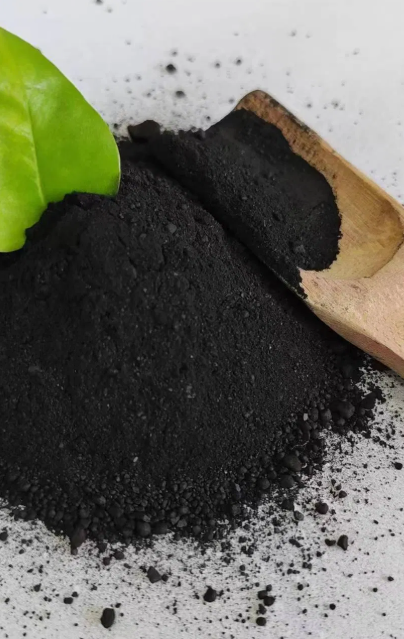
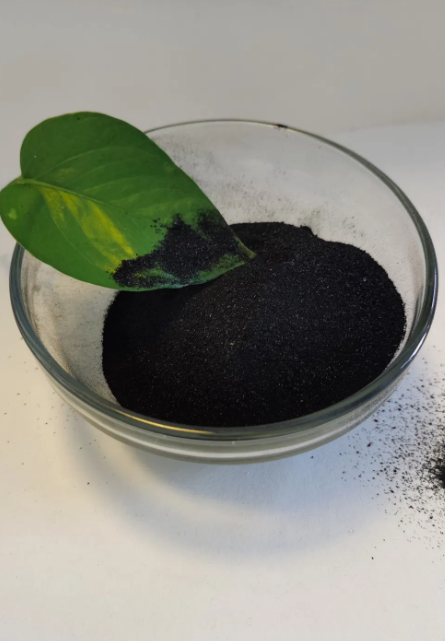
Sodium Humate Powder: Dissolves rapidly; ideal for emergency detoxification, immediate water coloring, and uniform spray applications.
-
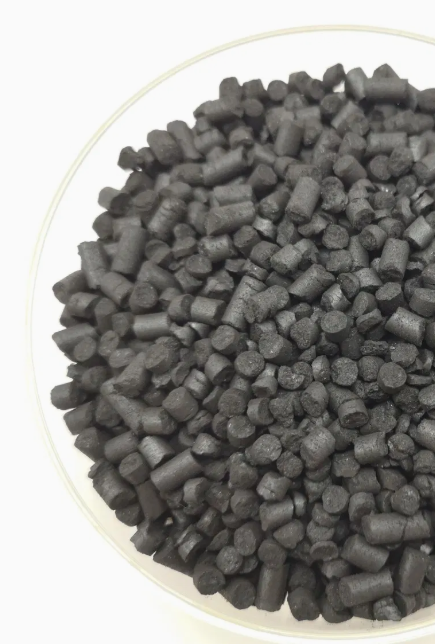
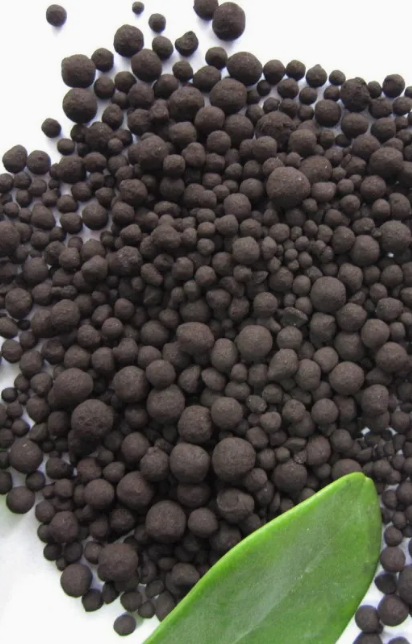
Granules / Flakes: Sinks faster to the pond bed; highly effective for targeted bottom remediation and substrate moss control.
-
-
pH Compatibility: Sodium Humate is weakly alkaline (pH 8.0–10.0). Direct blending with strong acids or concentrated oxidants should be avoided, and application rates should be adjusted carefully in hyper-alkaline waters.
6. Conclusion
Serving as a bridge between mineral resources and eco-technology, Sodium Humate provides multi-faceted solutions for modern aquaculture ecosystem management and sustainable industrial processing. A thorough understanding of its operational mechanisms and practical selection criteria enables enterprises to optimize production efficiency while advancing sustainable, eco-friendly operational standards.