

Breaking Traditional Boundaries: Innovative Applications of Cyanuric Acid in Modern Sustainable Agriculture and Soil Management
In the traditional perception of the chemical industry and global buyers, Cyanuric Acid is almost exclusively associated with swimming pool water treatment and disinfectant intermediates. However, driven by the global urgency for sustainable development, green chemistry, and high-efficiency agriculture, this classic chemical raw material is quietly sparking a cross-industry technological revolution. As a professional chemical supply chain partner, Qingdao Kemdon presents an in-depth analysis of the little-known, high-value innovative applications of Cyanuric Acid in modern agriculture, soil remediation, and moisture management, offering a brand-new macroscopic perspective for global engineers and procurement managers.
I. The "Cross-border" Inspiration from Traditional Pool Stabilizers
In the past, Cyanuric Acid primarily served as a chlorine stabilizer, protecting active chlorine in swimming pools from UV decomposition. This core characteristic—the ability to "lock in" active ingredients and regulate chemical degradation rates—is precisely the key to solving the pain points of fertilizer loss and soil degradation in modern agriculture. Confronted with global challenges such as soil salinization, low fertilizer utilization rates, and rapid water evaporation, modern agricultural engineers have begun to turn their attention to the unique molecular structure of Cyanuric Acid.
II. Innovative Application: Serving as a New High-Efficiency Agricultural Soil Additive
As a stable Triazine Compound, Cyanuric Acid's biodegradation pathways and physiochemical properties in soil environments demonstrate immense potential for agricultural technological innovation. It is gradually becoming a powerful new tool for overcoming critical soil challenges.
1. A Fresh Exploration into Nutrient Stabilization and Slow-Release Nitrogen Sources
Traditional nitrogen fertilizers, such as urea, are highly prone to volatilizing into ammonia gas or leaching away with rainwater after application. This not only causes severe economic losses but also leads to groundwater pollution. The molecular network of Cyanuric Acid can act as an excellent Nutrient Stabilizer. By forming microscopic physical or weak chemical bonds with specific nutrients in the soil, it effectively delays the fertilizer release cycle. This deliberate degradation process allows it to function as a precursor for a highly efficient Slow-Release Nitrogen Source, ensuring a steady and continuous supply of nutrients to plants throughout their growth cycle, thereby significantly boosting fertilizer efficiency for bulk crops.
2. Moisture Management and Water Retention under Extreme Climates
In arid and semi-arid regions, retaining soil moisture is the deciding factor for agricultural harvests. The latest soil remediation research indicates that modified or specifically formulated Cyanuric Acid, when integrated with soil particles, can significantly optimize the capillary structure of the soil. By improving physical soil porosity, it enhances the soil's capacity to absorb and hold water. This outstanding moisture management performance helps lock in irrigation water and rainfall, minimizing deep percolation and surface evaporation, and constructing a miniature "underground reservoir" for plant roots during dry seasons.
3. Soil Structure Optimization and Dual-Direction pH Adjustment
Long-term excessive use of chemical fertilizers leads to soil compaction and the deterioration of physiochemical properties. The composite application of Cyanuric Acid within soil conditioners helps promote the formation of soil aggregate structures, improving soil aeration and water permeability. Concurrently, its unique molecular buffering capacity can subtly adjust soils of varying pH levels, enhancing the rhizosphere microenvironment and stimulating the proliferation of beneficial soil microorganisms, thereby fundamentally restoring the soil's self-repair capabilities.
III. Technical Insights for Procurement Managers and R&D Engineers
For global buyers and agricultural fertilizer formulation engineers, selecting high-quality Cyanuric Acid as an innovative Agricultural Soil Additive requires focusing on the following core technical indicators:
- Purity and Impurity Control: Agricultural applications impose strict limits on heavy metals and residual by-products. High-purity raw materials ensure friendliness toward the soil microbial environment.
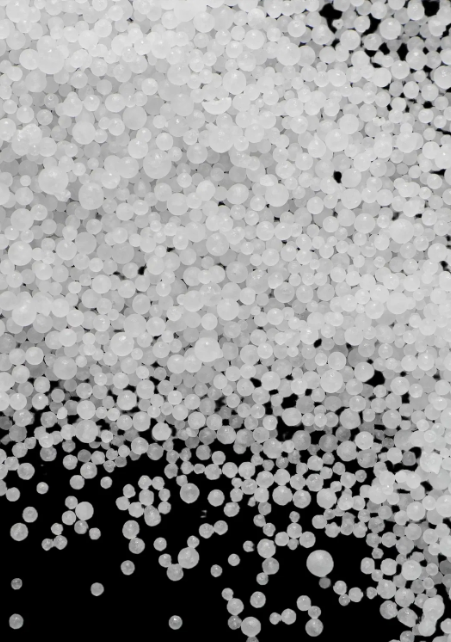
- Particle Size Distribution and Solubility: Different formulations of soil conditioners or compound fertilizers require distinct particle sizes. A uniform particle size contributes to perfect blending and consistent slow-release performance.
Qingdao Kemdon is consistently dedicated to providing global clients with a stable chemical supply chain that adheres to the highest international standards. We do not just supply top-tier Cyanuric Acid products; armed with a professional technical support team, we also assist our partners in exploring its possibilities in cutting-edge sectors like industrial crosslinking and novel agricultural applications, helping your products stand out distinctively in the market.