

Calcium Hypochlorite vs. SDIC: Making the Right Choice for Industrial Cooling Water Systems
In industrial water treatment, maintaining an efficient cooling tower system requires strict control over algae, biofilm, and bacterial growth. Both Calcium Hypochlorite and Sodium Dichloroisocyanurate (SDIC) are highly effective oxidizing biocides, but they impact water chemistry and operational costs in fundamentally different ways. For procurement managers and plant engineers, understanding these differences is key to optimizing chemical ROI.
1. Available Chlorine and Chlorine Stability
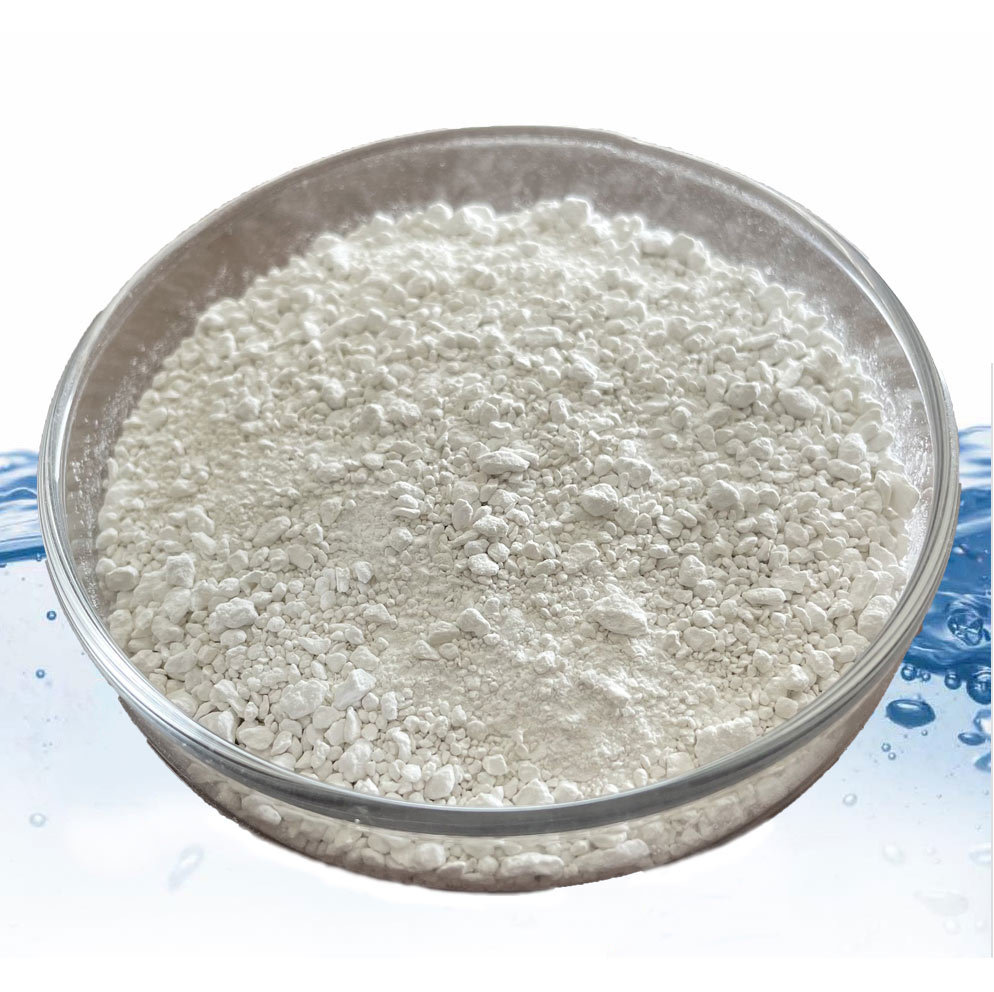
Calcium Hypochlorite typically contains 65% to 70% available chlorine. It releases unstabilized chlorine, which reacts immediately with contaminants. This makes it an excellent choice for shock dosing or rapid disinfection. However, in open cooling towers exposed to strong sunlight, unstabilized chlorine can be degraded by UV rays within hours, requiring consistent dosing.
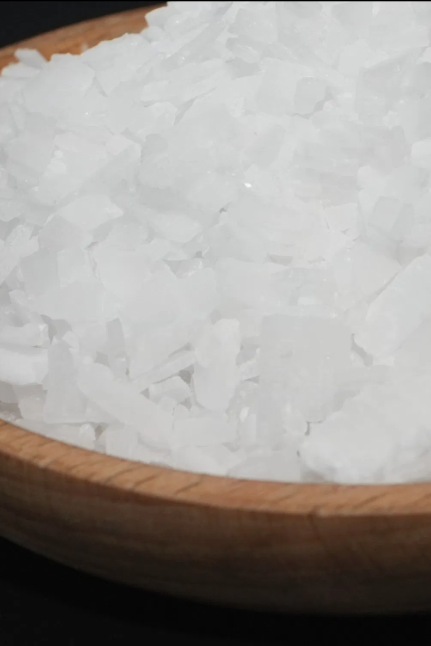
SDIC, with an available chlorine content of 56% or 60%, is a stabilized chlorine donor. It contains cyanuric acid, which acts as a stabilizer against UV degradation. This means the chlorine remains active in the water for a much longer period under direct sunlight, potentially reducing the frequency of chemical replenishment in outdoor systems.
2. The Impact on pH and Water Chemistry
Calcium Hypochlorite is highly alkaline, with a pH of around 11.5. When added to the cooling system, it slightly raises the pH of the water. Furthermore, it introduces calcium hardness into the system. For facilities operating with soft water, this calcium can actually help form a protective layer to prevent pipe corrosion. However, in high-hardness water environments, engineers must monitor the system closely to prevent calcium scaling on heat exchangers.
SDIC is relatively neutral, typically exhibiting a pH of around 6.0 to 7.0 in solution. It does not drastically alter the water's pH balance, meaning less corrective acid or alkali is required. Crucially, SDIC does not add any calcium hardness to the water, making it a safer option for cooling systems that already struggle with high calcium levels and scale formation.
3. Storage, Safety, and Transportation Logistics
From a procurement and logistics perspective, both chemicals are classified as dangerous goods but carry different storage risks. Calcium Hypochlorite is a strong Class 5.1 oxidizer. It must be kept strictly away from moisture, acids, and organic materials to prevent dangerous exothermic reactions.
SDIC is generally more stable in storage and less reactive in its dry form compared to calcium hypochlorite. It dissolves quickly and completely in water, leaving zero residue. This residue-free characteristic is highly favored by maintenance engineers because it prevents the clogging of chemical dosing pumps and narrow piping networks.
Conclusion: Aligning Procurement with Engineering Needs
For overseas buyers importing from China, the choice between Calcium Hypochlorite and SDIC depends on your specific system blueprint. If your cooling tower operates with low-calcium water and requires high-strength, rapid sanitation, Calcium Hypochlorite provides excellent cost-per-pound efficiency. If your plant faces high scaling risks or operates under intense sunlight with a need for low maintenance, SDIC is the more resilient choice.
At Kemdon, we supply high-purity Calcium Hypochlorite and SDIC tailored to international shipping standards. We ensure that our global partners receive water treatment chemicals that comply with necessary environmental regulations while maximizing technical performance.
Contact the Kemdon team today for current market pricing, logistics consultation, and technical specifications for your specific region.