
Coal-Based vs. Coconut Shell Activated Carbon: The Definitive Sourcing Guide for Water Treatment Engineers
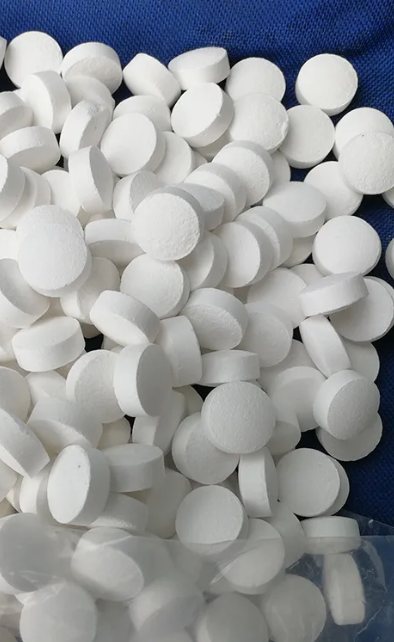
In the global water treatment industry, selecting the right filtration media is just as critical as choosing the correct chemical disinfectants like TCCA or Calcium Hypochlorite. When procurement managers and environmental engineers browse through
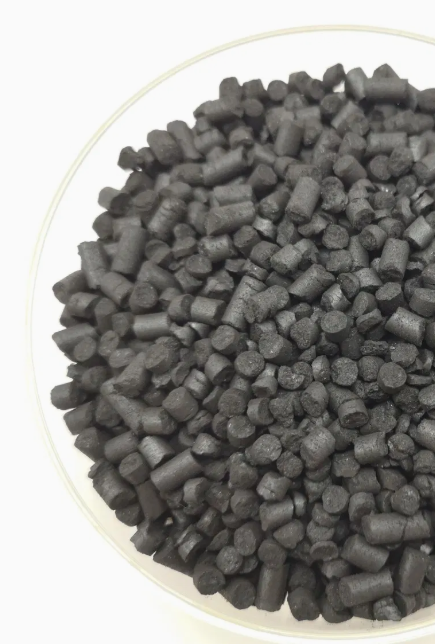
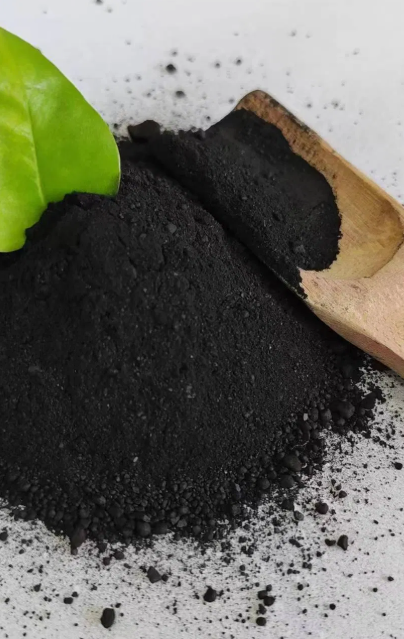
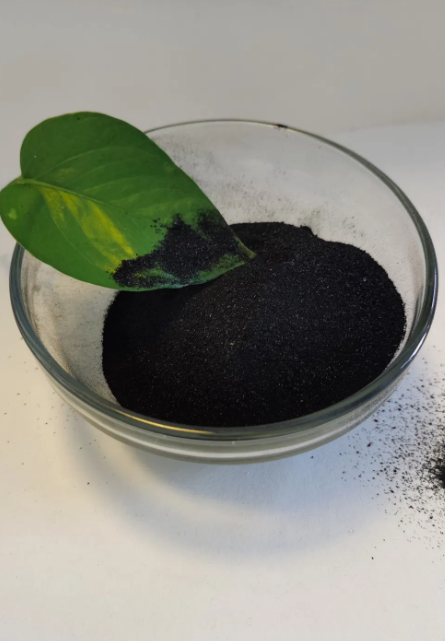
While both materials look like simple black granules or powders to the naked eye, their internal structures, performance capabilities, and long-term operational costs are vastly different. Choosing the wrong type can either result in a failure to meet environmental discharge standards or lead to an unnecessarily inflated operational budget. To help you make a precise, data-driven decision, the technical team at Kemdon has created this comprehensive breakdown comparing these two heavyweights of water filtration.
The Microscopic Battle: Pore Structure and Iodine Value
To understand why these two carbons perform differently, we must look at them under a microscope. The activation process creates millions of microscopic pores within the carbon matrix, and the size of these pores dictates what type of contaminants the carbon can trap.
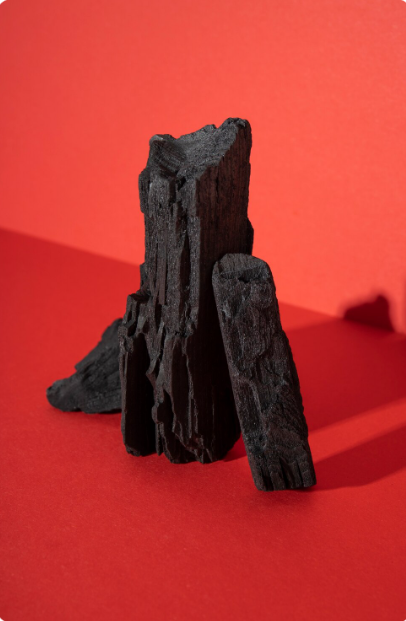
Coconut Shell Activated Carbon is universally celebrated for its incredibly dense microporous structure, where the pore diameters are generally smaller than 2 nanometers. Because coconut shells are naturally dense and fibrous, the resulting carbon possesses a massive internal surface area. This reflects directly in its Iodine Value, which typically ranges from 900 mg/g to over 1100 mg/g. These micropores act like a tight net, making coconut shell carbon unmatched at removing small molecular impurities, volatile organic compounds (VOCs), residual chlorine, and the unpleasant tastes or odors often found in municipal drinking water.
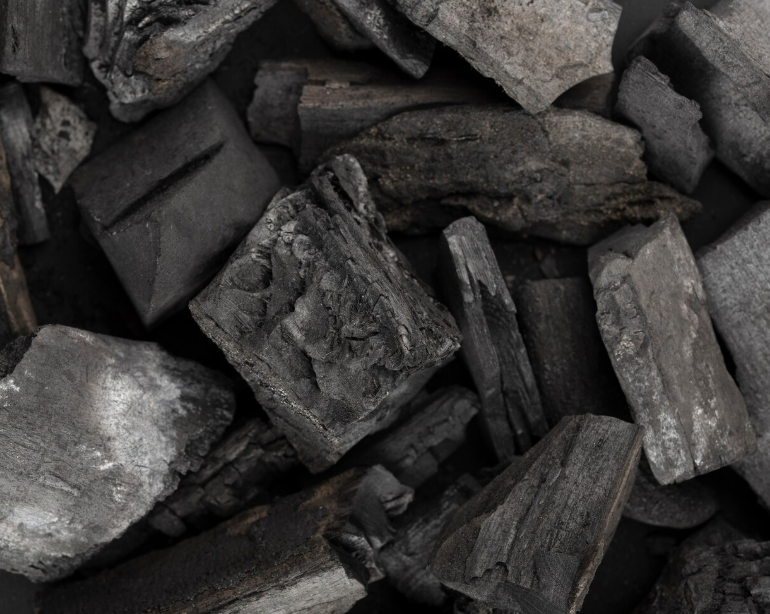
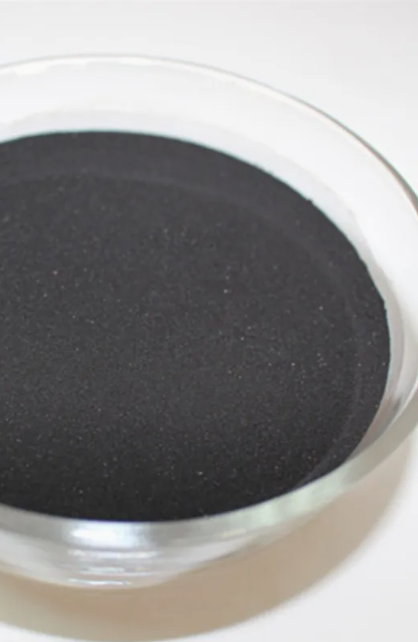
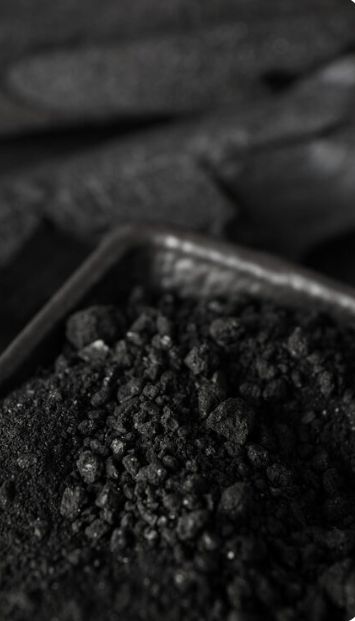
On the flip side, Coal-Based Activated Carbon is manufactured from bituminous coal or anthracite. This raw material yields a much wider pore size distribution, characterized by an abundance of mesopores (2 to 50 nanometers) and macropores (greater than 50 nanometers). Its iodine value generally sits between 500 mg/g and 900 mg/g. While it might not capture tiny molecules as efficiently as coconut shell, its larger "tunnels" excel at trapping large organic molecules, chemical dyes, heavy metal complexes, and high molecular weight contaminants that would quickly clog a microporous carbon.
Aligning Carbon Selection with Practical Application Scenarios
Because of their distinct chemical behavior, engineers specify these two types of carbon for entirely different stages of water purification and industrial processing.
For industrial wastewater treatment, chemical plant runoff, and textile dye texturing sewage, Coal-Based Activated Carbon is almost always the primary recommendation. Industrial effluent is usually heavily loaded with complex, multi-molecular chemical waste and high Chemical Oxygen Demand (COD). Coal-based carbon's large pore network acts as an ideal sponge for these heavy industrial pollutants, treating high volumes of water effectively before it is discharged into natural water bodies.
Conversely, for municipal drinking water plants, food and beverage processing, pharmaceutical manufacturing, and ultra-pure electronics water rinsing, Coconut Shell Activated Carbon is indispensable. In these sectors, the water is already relatively clean, but it requires the polishing elimination of trace toxins, chlorine from pre-treatment disinfection, and any sub-micron organic matter. Furthermore, coconut shell carbon has a much lower ash content and a higher mechanical hardness, meaning it generates virtually no carbon dust or black turbidity in the output water.
Compliance and Shipping Logistical Safety
When exporting water treatment materials globally, regulatory compliance and shipping safety cannot be overlooked. Activated carbon, particularly steam-activated types manufactured by experienced producers, is generally classified as non-hazardous if it has passed the IMDG (International Maritime Dangerous Goods) self-heating test.
At Kemdon, we ensure that all our activated carbon shipments undergo rigorous testing and meet international standards, preventing shipping delays at customs. Whether your project requires adherence to local EPA guidelines for industrial effluent or strict purity standards for food-grade filtration, our supply chain is fully optimized for compliance.
Conclusion: Engineering the Perfect Fit with Kemdon
Ultimately, there is no single winner in the matchup between coal-based and coconut shell activated carbon. The choice hinges entirely on your specific raw water composition, target contaminants, and budgetary frameworks.
As a trusted partner in global water treatment, Kemdon provides not just premium chemicals like TCCA and SDIC for disinfection, but also high-grade carbon media tailored to your engineering specifications. Contact our technical sales representatives through www.qdkemdon.com today to request comprehensive product data sheets, certificates of analysis (COA), or a free sample to run a pilot test for your next project!