
Coconut Shell vs. Coal-Based Activated Carbon: How to Select the Optimal Filter Media for High-Purity Water Treatment
Abstract: In industrial and municipal water treatment projects, balancing filtration efficiency with long-term operational costs is a primary pain point for both engineers and buyers. This article delivers an in-depth comparison between coconut shell activated carbon and traditional coal-based carbon regarding adsorption performance, physical strength, and specific applications, helping you make the most cost-effective procurement decision.
Pore Structure & Adsorption Mechanism
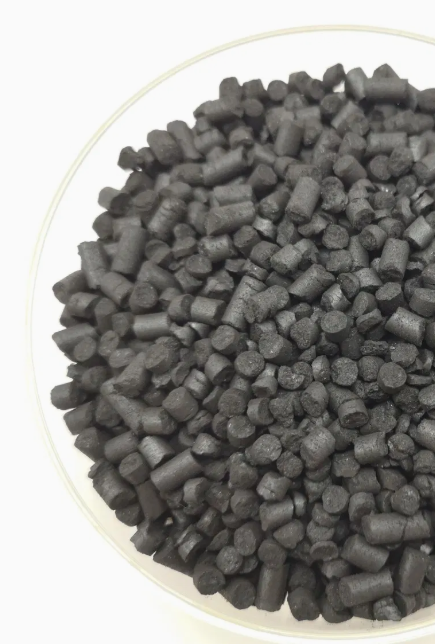
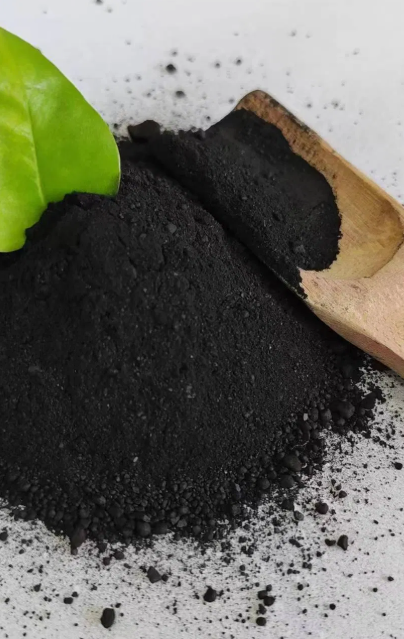
For technical engineers, the micro-pore structure is the primary criteria for selecting activated carbon. The naturally dense fibrous structure of coconut shells generates high-density "micropores" (pore diameter < 2nm) after activation. This unique structure grants it a superior iodine value, making it exceptionally efficient at eliminating volatile organic compounds (VOCs), residual chlorine, and low-molecular-weight impurities. Consequently, it serves as a critical configuration in ultra-pure water production and advanced Water Treatment processes.
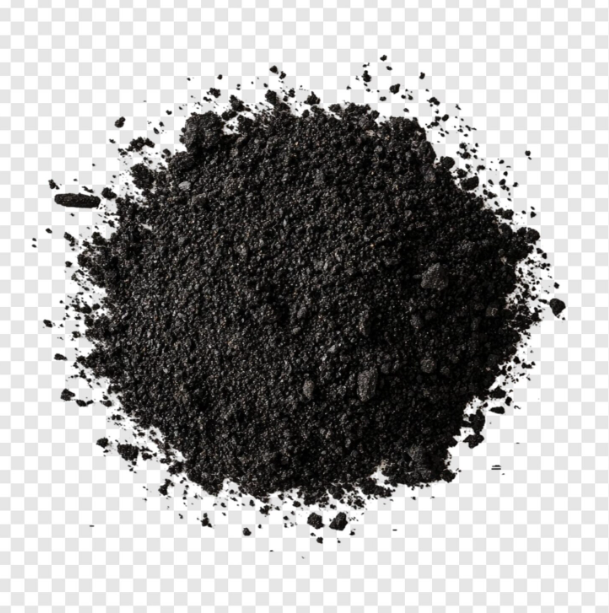
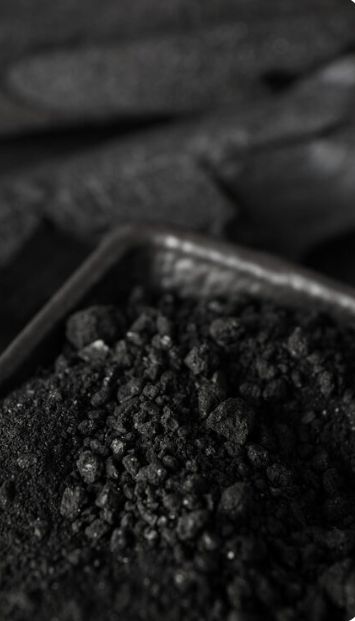
In contrast, traditional coal-based activated carbon features a richer distribution of "mesopores" and "macropores". This enables coal-based carbon to perform brilliantly in removing large-molecule organic matter, color, and pre-treating highly concentrated industrial wastewater. If your filtration system primarily processes complex industrial raw water, a larger mesh of coal-based Granular Activated Carbon stands out as a highly competitive pre-filtration option regarding budget-efficiency.
Hardness, Durability & Backwash Attrition
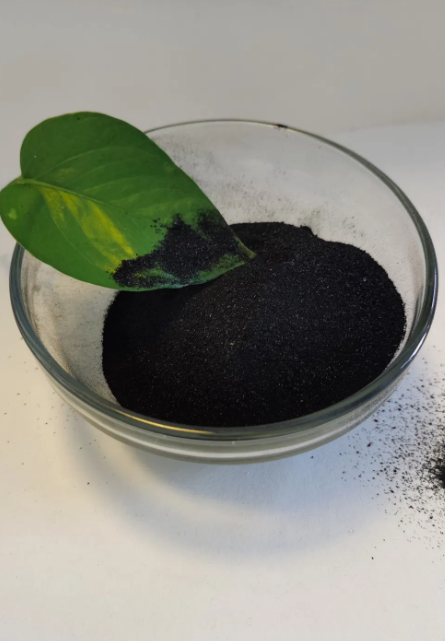
Procurement managers evaluating long-term operational expenses (OPEX) often overlook the physical attrition during routine backwashing. Due to its exceptional mechanical strength, coconut shell material provides superior abrasion resistance compared to coal-based variants. Under operating conditions requiring frequent system backwashes, implementing premium Coconut Shell Activated Carbon drastically lowers carbon fine loss and extends the media replacement cycle (typically 3 to 5 years), minimizing downtime maintenance and downstream re-ordering pressures.
Coal-based granular carbon exhibits slightly lower hardness, rendering it prone to fracturing inside high-flow, high-pressure filtration vessels. Once the carbon particles break down, it not only clogs the internal lateral water collectors—causing system pressure drops to spike—but may also release fine carbon dust into the effluent. Therefore, if engineers enforce strict design tolerances for filter bed pressure drops, specifying high-hardness coconut shell as the preferred Carbon Filter Media is the safest method to eliminate operational risks.
Purity & Leachate Risk Control
In pure water systems for pharmaceuticals, food & beverage, and semiconductor manufacturing, "zero contamination" is a non-negotiable benchmark. Due to the inherent traits of raw coal, coal-based activated carbon usually contains a higher percentage of ash (such as heavy metals, iron salts, and soluble silica). Without deep acid-washing treatments, it risks leaching ash into the water during initial commissioning, triggering temporary spikes in effluent conductivity and causing scaling or fouling on downstream reverse osmosis (RO) membranes.
As a premium category within Industrial Water Treatment Chemicals, coconut shell carbon boasts a remarkably low natural ash content (typically below 3%). Following high-temperature steam activation, its purity remains exceptional, introducing virtually no soluble inorganic salts. This ensures that even under rapid flow velocities, the filtered water satisfies stringent low-conductivity and high-purity process benchmarks perfectly, rendering it a flawless choice for water treatment projects aiming to eliminate regulatory compliance risks.
Conclusion & Procurement Recommendation
In summary, while coal-based carbon offers an initial price advantage per ton—making it suitable for high-volume, low-spec general industrial wastewater treatment—high-quality coconut shell activated carbon undoubtedly yields a superior comprehensive Return on Investment (ROI) for scenarios demanding long service life, high mechanical strength, zero leaching risks, and precision trace organic adsorption. Qingdao Kemdon is dedicated to supplying stable, top-tier filtration materials to global clients. To request a customized technical solution or sample testing tailored to your specific operational conditions, feel free to contact our engineering team anytime.