

Comparison Article: Sodium Dichloroisocyanurate (SDIC) vs. Calcium Hypochlorite
In the water treatment industry, procurement managers and engineers often face a critical decision when sourcing disinfectants: Should we buy Sodium Dichloroisocyanurate (SDIC) or Calcium Hypochlorite? Both are highly effective chlorine-based sanitizers widely used in swimming pools, industrial water treatment, and public sanitation. However, understanding their chemical differences, storage requirements, and application scenarios is essential for cost-effective and safe procurement.
Here is a practical comparison to help you make the right choice for your next bulk order.
1. Active Chlorine Content and Stability
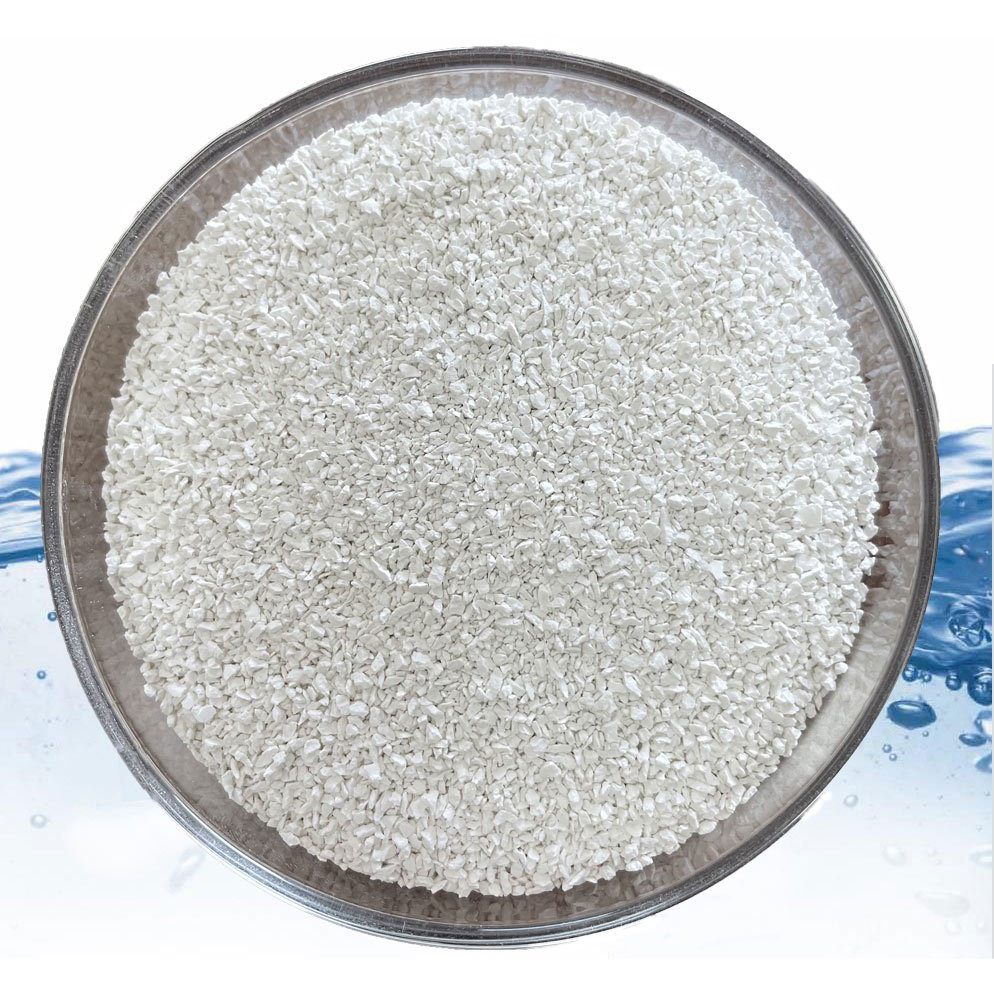
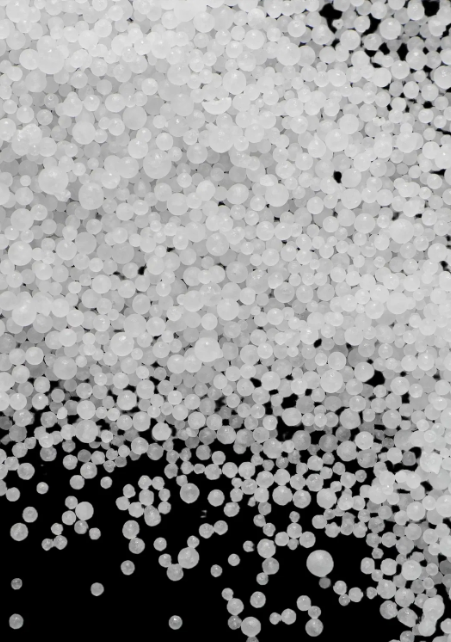
- SDIC (Sodium Dichloroisocyanurate): Generally offers an active chlorine content of 56% or 60%. Its biggest advantage is that it is a stabilized form of chlorine. It contains cyanuric acid, which acts as a stabilizer against ultraviolet (UV) light. This makes SDIC incredibly efficient for outdoor applications like open-air swimming pools or industrial cooling towers, as the chlorine does not degrade quickly under the sun.
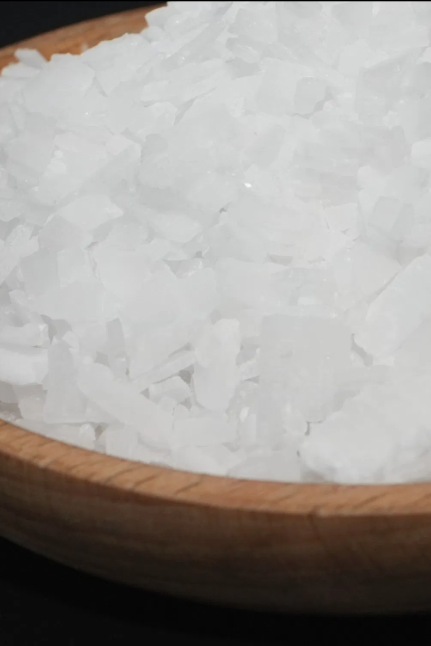
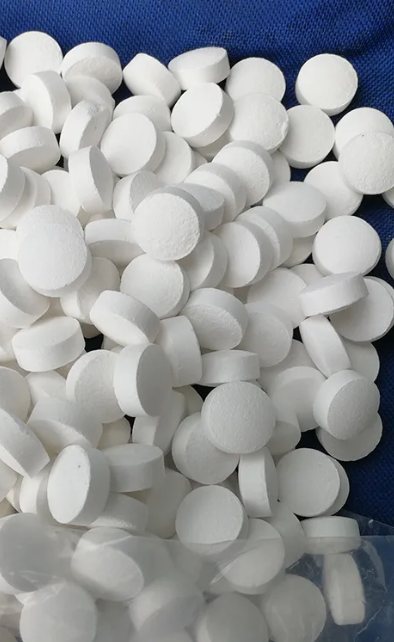
- Calcium Hypochlorite: Typically features a higher active chlorine content, usually around 65% to 70%. However, it is unstabilized chlorine. When exposed to sunlight, the free chlorine breaks down rapidly, meaning you may need to use more product over time in outdoor settings unless a separate stabilizer is added.
2. Water Soluble Performance and pH Impact
- SDIC: It is highly soluble in water and leaves almost zero residue. Furthermore, SDIC is relatively pH-neutral. Adding it to water does not drastically change the pH balance, which reduces the need for secondary chemical adjustments (like pH increasers or decreasers), saving operational costs.
- Calcium Hypochlorite: While it dissolves well, it tends to leave a small amount of insoluble calcium residue, which can cause cloudiness in water if not properly managed. Crucially, Calcium Hypochlorite has a high pH (alkaline). Frequent use will raise the pH of the water, requiring engineers to regularly add acid to maintain balance. Additionally, in hard water areas, the calcium content can contribute to scale buildup in pipes and filtration systems.
3. Storage, Safety, and Logistics
- SDIC: It is much more stable during storage and transport. It has a lower risk of rapid decomposition and is less sensitive to moisture compared to calcium hypochlorite, making it a safer option for long-distance maritime shipping and long-term warehousing.
- Calcium Hypochlorite: It is classified as a strong oxidizer and a Class 5.1 hazardous material for shipping. It is highly sensitive to heat, moisture, and organic contamination. If stored incorrectly, it poses a higher fire risk. Procurement teams must ensure that their logistics providers and warehouses are fully certified to handle Class 5.1 dangerous goods.
Conclusion: Which One Should You Procure?
- Choose SDIC if your target application is outdoors (like outdoor pools), if you want to minimize pH adjustments, or if you prefer a product that is safer and easier to store and ship.
- Choose Calcium Hypochlorite if you need a higher concentration of active chlorine for rapid shock dosing, soft-water treatment, or municipal water disinfection where calcium buildup is not a concern.
At Qingdao Kemdon, we supply high-quality SDIC and Calcium Hypochlorite tailored to international standards. Our team ensures compliant packaging and smooth hazardous goods shipping to guarantee your cargo arrives safely. Contact us today for a custom quote!