

Deciphering Soil Health: Why Global B2B Buyers Shift to High Purity Humate for Large-Scale Agriculture
In the modern agricultural supply chain, international purchasing managers and agricultural engineers face an escalating, systemic crisis: global soil degradation. Decades of intensive farming, chemical over-fertilization, and unsustainable irrigation practices have severely depleted natural organic matter. The consequences are visible worldwide—soil compaction, declining fertilizer efficiency, and stagnant crop yields.
For B2B distributors and large-scale farming conglomerates, finding a sustainable solution is no longer an ecological ideal; it is an economic necessity. However, the commercial market is currently flooded with low-grade chemical inputs that offer temporary fixes while worsening long-term soil structure. To break this cycle, global agricultural inputs procurement is undergoing a major paradigm shift toward advanced organic compounds that restore soil ecosystems from the molecular level.
The Technical Trap of Low-Grade Agriculture Inputs
When sourcing organic fertilizers and soil additives, procurement teams often fall into the trap of evaluating products purely based on raw price per ton. In the chemical and organic fertilizer industry, this approach frequently leads to operational disaster.
Low-grade humic derivatives often contain high levels of insoluble matter, heavy metals, and unreacted raw leonardite. For modern agricultural operations utilizing advanced pivot or drip irrigation systems, these impurities are catastrophic. They cause severe nozzle clogging, increase equipment downtime, and lead to uneven nutrient distribution across thousands of hectares.
Furthermore, low-purity products have a sluggish bio-availability rate, meaning agricultural enterprises pay for bulk material that crops cannot even absorb during critical growth stages.
The Science of Rhizosphere Restoration: Why Purity Matters
To achieve predictable crop yields and reliable return on investment (ROI), agricultural engineers look for specific bio-chemical mechanisms. This is where choosing a premium Plant Growth Stimulant makes a measurable difference.
When extracted from highly active, geological-grade leonardite, a top-tier Soil Conditioner functions through a dual-action mechanism that addresses both the physical and chemical limitations of degraded soil:
- Physical Matrix Re-engineering: In heavily compacted clay soils, the molecular structure of the humate interacts with localized calcium and magnesium ions. This promotes soil aggregation, creating a porous, spongy matrix. As a result, the soil's water-holding capacity spikes dramatically, and root systems gain the physical freedom to penetrate deeper into the subsoil.
- Chemical Nutrient Mobilization: In many agricultural zones, vital nutrients like phosphorus and essential trace elements are chemically locked in the soil due to pH imbalances. High-quality organic salts act as natural chelating agents. They bind to these insoluble minerals, converting them into highly mobile, bio-available forms that the plant's root system can effortlessly absorb, thereby maximizing fertilizer utilization rates.
Mitigating Risks: Logistics, Compliance, and Sourcing in Global Trade
For international buyers, the chemical efficacy of a product represents only one side of the coin. Navigating the complex labyrinth of international maritime logistics, customs clearance, and evolving regional compliance frameworks is often where the real friction occurs.
When importing Potassium Humate, commercial buyers must look beyond standard product datasheets and evaluate the manufacturer’s supply chain competence. For instance, exporting agricultural inputs to strict regulatory zones like the European Union or North America requires meticulous documentation, including compliance with EU REACH regulations or specific heavy-metal threshold certifications.
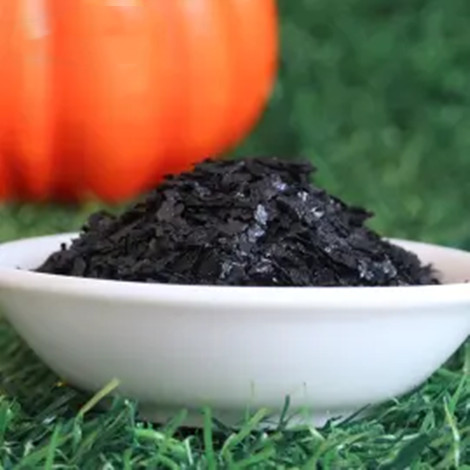
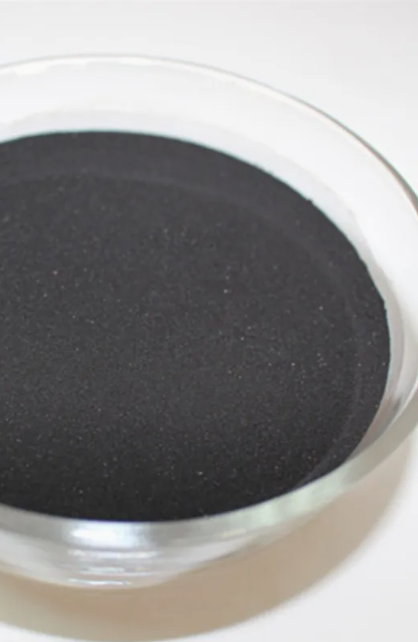
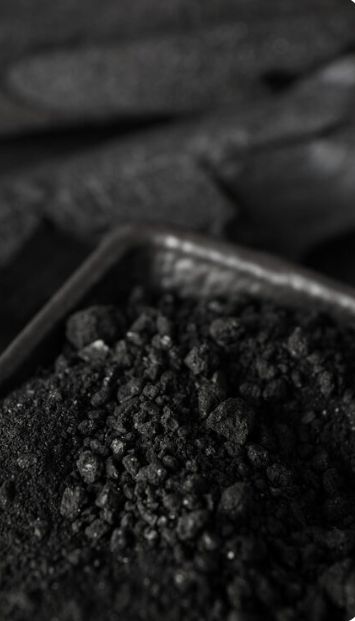
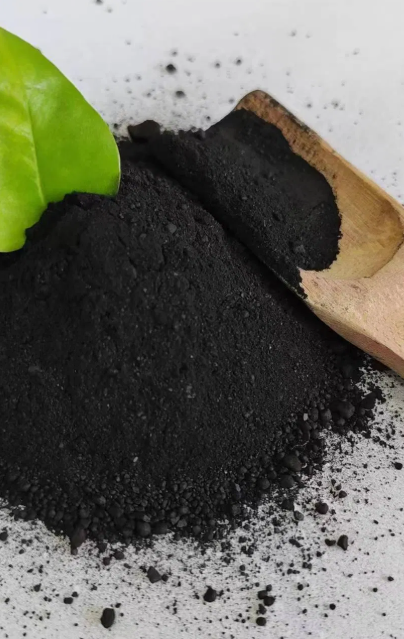
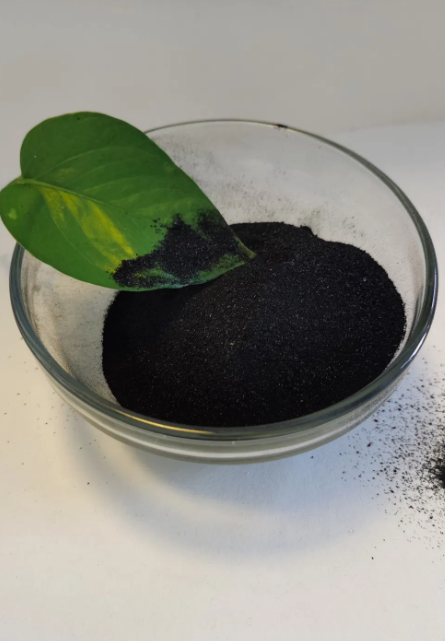
Furthermore, physical product form drastically impacts shipping overheads and storage longevity. Selecting a premium Potassium Humate Powder that boasts 100% water solubility and ultra-low moisture retention minimizes the risk of caking and degradation during long ocean transits. It ensures that the product arrives at the destination port in a free-flowing state, ready for immediate industrial blending or direct field application, while optimizing the physical weight-to-volume ratio in ocean containers.