

Direct from Factory: How to Minimize Active Chlorine Loss in Bulk TCCA/SDIC Storage?
As a procurement manager or chemical engineer in the water treatment industry, maximizing cost efficiency while ensuring product efficacy is always your top priority. However, one of the most common headaches during the hot seasons or long-term transit is the thermal decomposition and moisture-induced degradation of chlorinating agents.
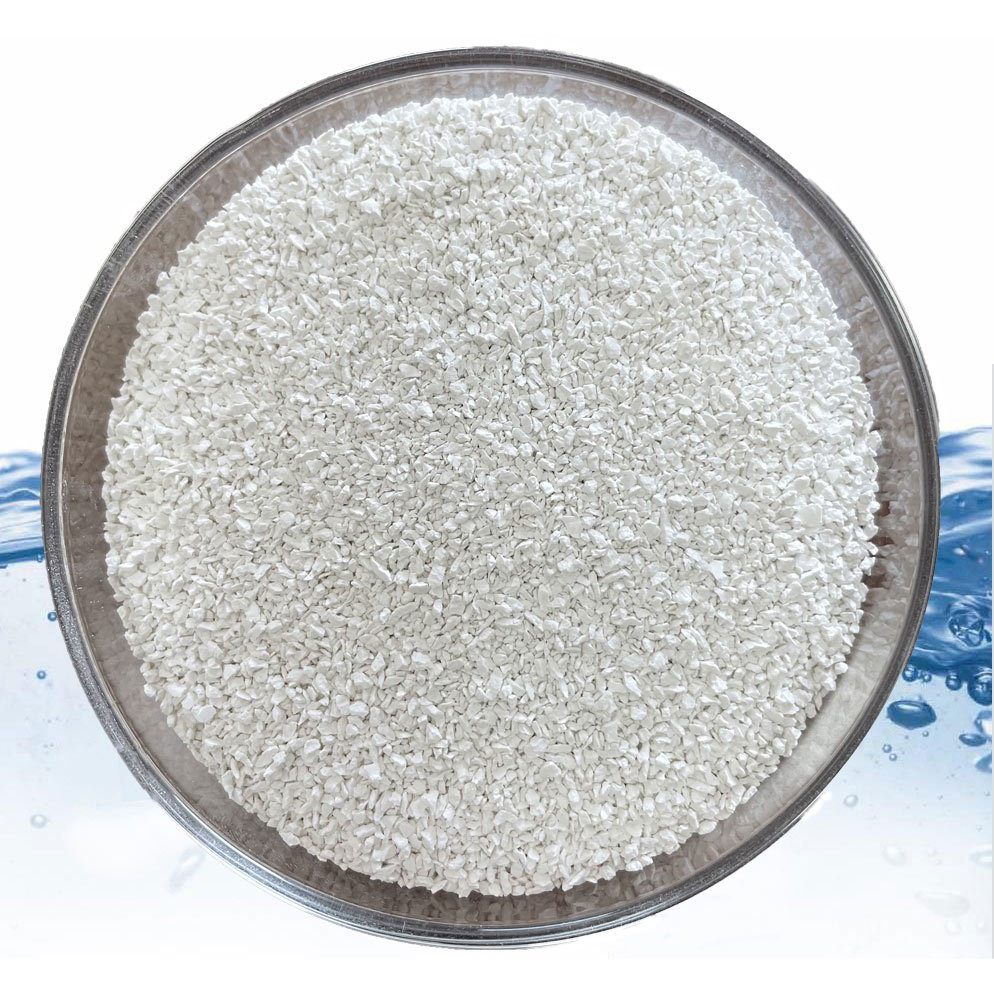
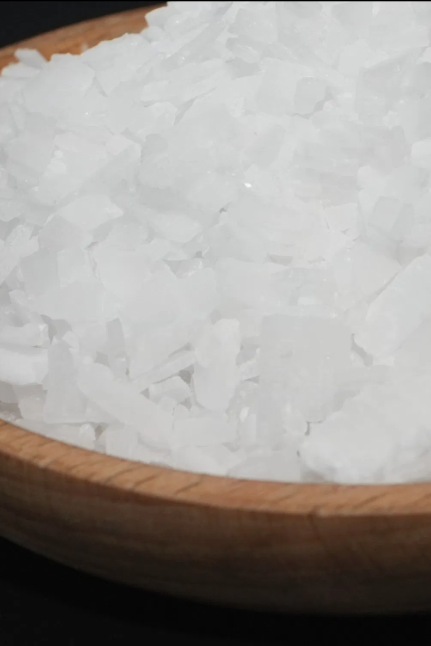
When purchasing bulk TCCA (Trichloroisocyanuric Acid) or SDIC (Sodium Dichloroisocyanurate), understanding how to control active chlorine loss can save your company thousands of dollars in wasted chemical strength.
Here is a practical guide from our technical team at Kemdon on why this happens and how to prevent it.
Why Does Active Chlorine Content Drop?
Both TCCA and SDIC are relatively stable organic chlorine donors, but they are not invincible. The two main culprits behind active chlorine drop are:
-
Moisture Content: Even a tiny amount of moisture can trigger a slow, exothermic hydrolysis reaction, releasing chlorine gas and reducing the active chlorine percentage.
-
High Ambient Temperature: Temperatures exceeding 45°C significantly accelerate the decomposition rate, especially during sea freight inside hot shipping containers.
Actionable Solutions for Engineers & Warehouse Managers
To ensure that the raw materials you purchase maintain their high purity from our factory to your application site, we recommend implementing the following standards:
1. Opt for Advanced Packaging Upgrades
Standard bags might be cheaper, but they offer less barrier protection. For long-distance maritime transit, we highly recommend Heavy-Duty PE Inner Liners combined with UV-resistant UN-approved drums or palletized ton bags. This dual-layer protection completely seals out external humidity.
2. Implement the "FIFO" Inventory Rule
Always practice First-In, First-Out. Even under perfect storage conditions, chemical activity shifts slightly over time. Managing your supply chain timeline ensures you are always feeding the freshest batch into your chlorination systems.
3. Control the Micro-Climate
Your storage facility should be kept dry and well-ventilated, with temperatures ideally maintained below 35°C. Keep the pallets away from direct sunlight, localized heat sources (like steam pipes), and strictly separate them from incompatible substances like acids, ammonium salts, or organic materials.
How Kemdon Ensures Product Stability Before Shipment
At Kemdon (www.qdkemdon.com), we don't just sell chemicals; we deliver reliable performance.
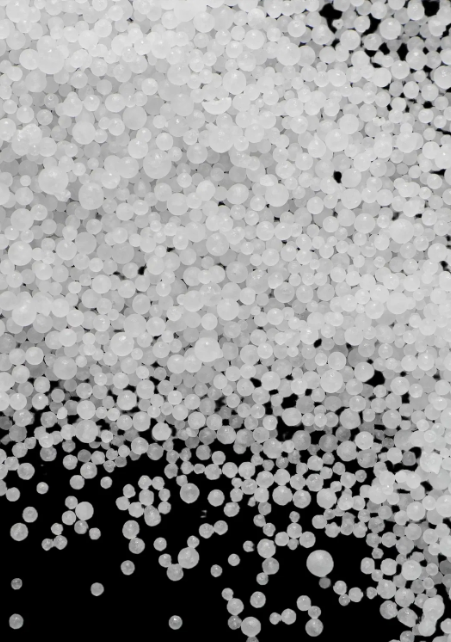
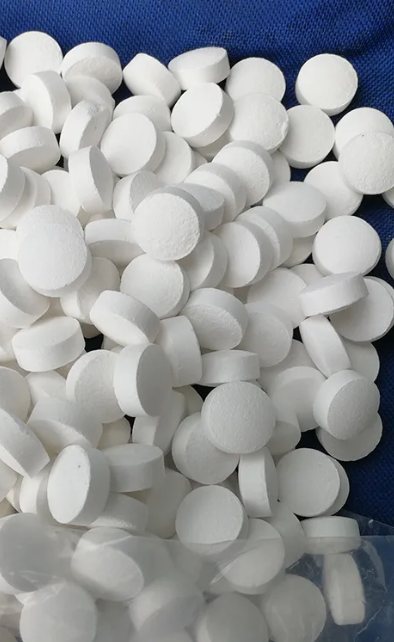
- Strict Moisture Control: Our manufacturing process strictly controls the moisture content of TCCA regular granular/tablets to ensure it stays well below industry baselines.
- Climate-Smart Loading: We monitor seasonal shipping temperatures and optimize container packing to minimize heat accumulation during transit.
Need a Tailored Water Treatment Solution?
If your project requires specific mesh sizes, custom tablet weights, or specialized packaging to survive harsh local climates, our engineering team is ready to assist.
Visit our website at www.qdkemdon.com or contact your dedicated sales representative today for a stable, high-purity supply chain experience.