


Empowering Global Clean Industry and Supply Chain Resilience: Quality Control and Compliance Practices in Large-Scale International Procurement of Caustic Soda
As global manufacturing sector standards enforcement tightens and international maritime regulatory frameworks for dangerous chemical goods (DG cargo) continually escalate, the core rationale behind importing basic raw materials is undergoing a profound structural evolution. The traditional procurement approach, which centered exclusively on per-ton FOB price quotes, is rapidly giving way to a holistic evaluation of supply chain risk mitigation, packaging moisture barrier effectiveness, and raw material purity specifications.
For multinational paper mills, alumina refiners, textile processors, and industrial wastewater treatment complexes, securing a continuous supply of high-purity alkaline solutions through complex transoceanic logistics networks has become a pivotal factor directly influencing total plant operational expenditure.
Overcoming Ocean Freight Caking Challenges: Optimizing Packaging Standards for Automated Efficiency
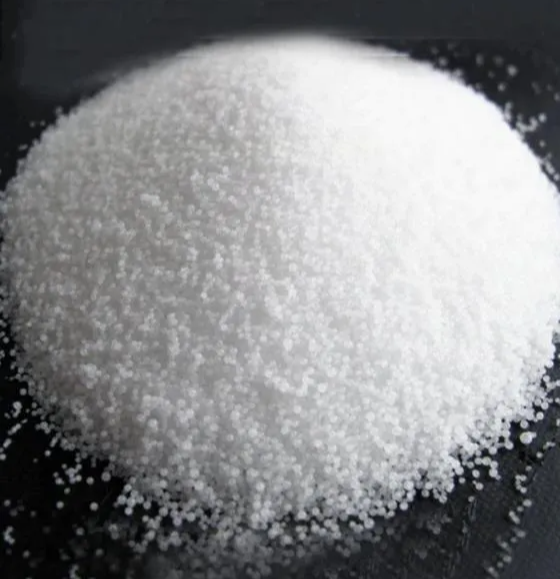
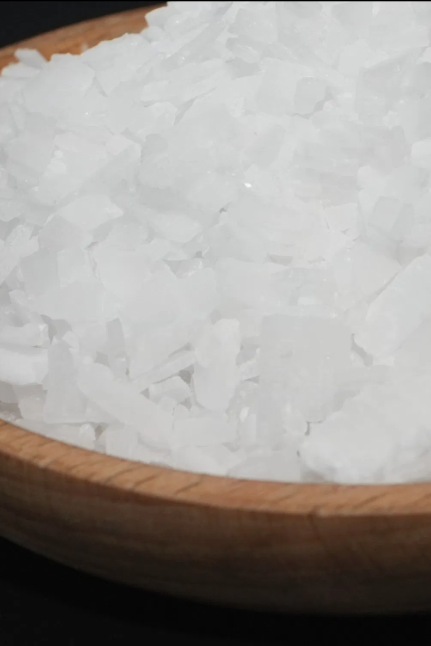
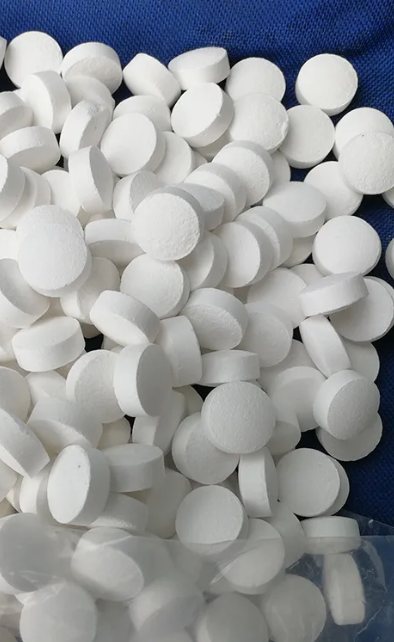
During transoceanic transport, the high hygrospheric tendency of solid alkaline chemicals—most notably Caustic Soda Flakes and Caustic Soda Pearls—presents a major operational challenge for overseas buyers. If the cargo absorbs moisture or deliquesces during weeks at sea due to inadequate packaging barrier protection or drastic ambient temperature shifts, it leads to severe physical caking upon arrival. This issue drastically hampers port offloading operations and risks jamming automated unbagging and dosing machinery at end-user facilities, inducing costly unscheduled operational downtime.
Mitigating this risk requires establishing an end-to-end moisture-proof barrier protocol. Utilizing high-density multi-layer inner liners coupled with heavy-duty outer woven bags creates an effective shield against oceanic humidity and salt fog corrosion. This ensures that the material retains its free-flowing physical properties across varying global climate zones. Furthermore, it guarantees strict compliance with the International Maritime Dangerous Goods (IMDG) Code, shielding buyers from demurrage fees, port inspection delays, and non-compliance fines.
Industrial Wastewater Treatment: How Purity Control Directly Reduces Hazardous Waste Costs
Under modern environmental audit regimes, industrial water treatment engineers face dual pressure regarding neutralization reaction kinetics and sludge volume reduction. Highly reactive Sodium Hydroxide serves as the primary alkaline agent for pH control in acidic wastewater, heavy metal ion precipitation, and the regeneration of ion-exchange resins.
However, trace impurities—such as residual sodium chloride and heavy metals—greatly dictate the performance of downstream treatment circuits. Utilizing ultra-pure Industrial Grade Caustic Soda enables rapid and precise pH adjustment while minimizing unnecessary sludge precipitation during neutralization. This directly lowers the terminal plant's subsequent hazardous waste disposal overhead. Additionally, minimal impurity levels protect sensitive membrane filtration units and reverse osmosis systems from premature scaling, extending equipment service life and optimizing chemical cleaning cycles.
Building a Resilient Global Chemical Delivery Infrastructure
Amid volatile shipping rates and unpredictable international logistics routes, securing a supply partner with verified maritime dangerous goods handling credentials, robust production capacity, and full cargo traceability forms the cornerstone of operational continuity for global buyers.
By implementing flexible inventory buffer strategies and standardized containerized loading protocols, suppliers can effectively buffer international clients against freight price shocks and logistics bottlenecks. As heavy industry moves toward low-carbon and resource-efficient operational models, the reliable delivery of high-specification basic chemicals remains essential for safeguarding global industrial production lines.