


Engineering Guide: How to Determine the Optimal Contact Time and Dosage for Granular Activated Carbon Filters
For water treatment engineers and plant managers, designing an efficient filtration system involves more than just filling a tank with carbon. To achieve optimal purification and cost efficiency, professionals must precisely calculate key operational parameters, specifically Empty Bed Contact Time (EBCT) and the required volume of Granular Activated Carbon. These calculations directly impact the system's ability to remove organic pollutants, chlorine, and trace toxins effectively.
1. Understanding EBCT: The Golden Metric
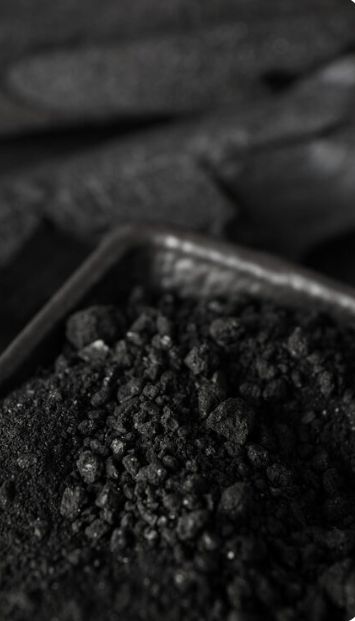
Empty Bed Contact Time (EBCT) is the measure of the time the water is in contact with the Carbon Filter Media as it passes through the filter bed. It is the most critical factor in determining how much contaminant the carbon can absorb before it becomes saturated.
- For Chlorine Removal: A short EBCT of 2 to 5 minutes is generally sufficient because the chemical reaction between chlorine and carbon happens almost instantly.
- For Organic and Taste/Odor Control: Dissolved organic carbons (DOCs) and trace impurities require a much longer contact time, usually ranging from 10 to 30 minutes, depending on the concentration of the pollutants.
2. Matching Iodine Value to Filter Lifespan
When selecting Water Treatment Plant Chemicals, specifying a High Iodine Value carbon is essential for maximizing the operational lifespan of your filter bed. The iodine value directly correlates to the micropore volume of the carbon.
A higher iodine value means more available surface area per gram of carbon. For example, upgrading from a standard carbon to one with a premium iodine value can significantly reduce the required total mass of carbon needed to treat the same volume of water over time. This keeps the physical footprint of the filtration equipment smaller while extending the intervals between carbon change-outs.
3. Step-by-Step Selection for Industrial Applications
To integrate these components into your sourcing workflow for Industrial Water Treatment Chemicals, technical teams should follow a structured approach:
- Analyze Influent Quality: Document the specific contaminants (e.g., COD, TOC, free chlorine) and their peak concentration levels.
- Establish Required Flow Rate: Determine the hourly or daily volume of water the system must process to meet plant demand.
- Determine Target EBCT: Use pilot test data or industry standards to select the target contact time based on your contamination profile.
- Calculate Total Bed Volume: Multiply the flow rate by the target EBCT to find the exact cubic meters of carbon volume required for the vessel.
Conclusion: Optimizing Efficiency
Accurate sizing prevents two common industrial headaches: premature breakthrough (where contaminants leak past the filter too early) and over-engineering (which wastes valuable capital budget). By balancing flow rates, contact time, and carbon quality, plants can ensure consistent compliance while maintaining a lean operational budget.