
Evaluating SDIC vs. Sodium Hypochlorite: Why Global Water Treatment Engineers Prefer Sodium Dichloroisocyanurate for Long-Term Storage and Efficiency
For industrial water treatment procurement officers and chemical engineers, maintaining precise chlorine levels while managing operational overhead is a delicate balancing act. While liquid sodium hypochlorite (liquid bleach) has historically been a go-to sanitizer due to low initial acquisition costs, its systemic hidden expenses—specifically rapid degradation and high logistics complexity—increasingly frustrate modern supply chain managers. Today, premium dry chlorine alternatives like Sodium Dichloroisocyanurate (SDIC) are rapidly becoming the preferred baseline specification for B2B global buyers.
1. The Evaporation of Value: Understanding Chemical Degradation
The primary pain point for procurement specialists purchasing liquid bleach is its short shelf-life. Liquid sodium hypochlorite is inherently unstable, losing up to 1% of its available chlorine per week under standard ambient conditions, and accelerating drastically in warmer climates or during extended maritime shipping. This means a 15% solution loaded at port may arrive at a tropical industrial plant as an inefficient 10% solution.
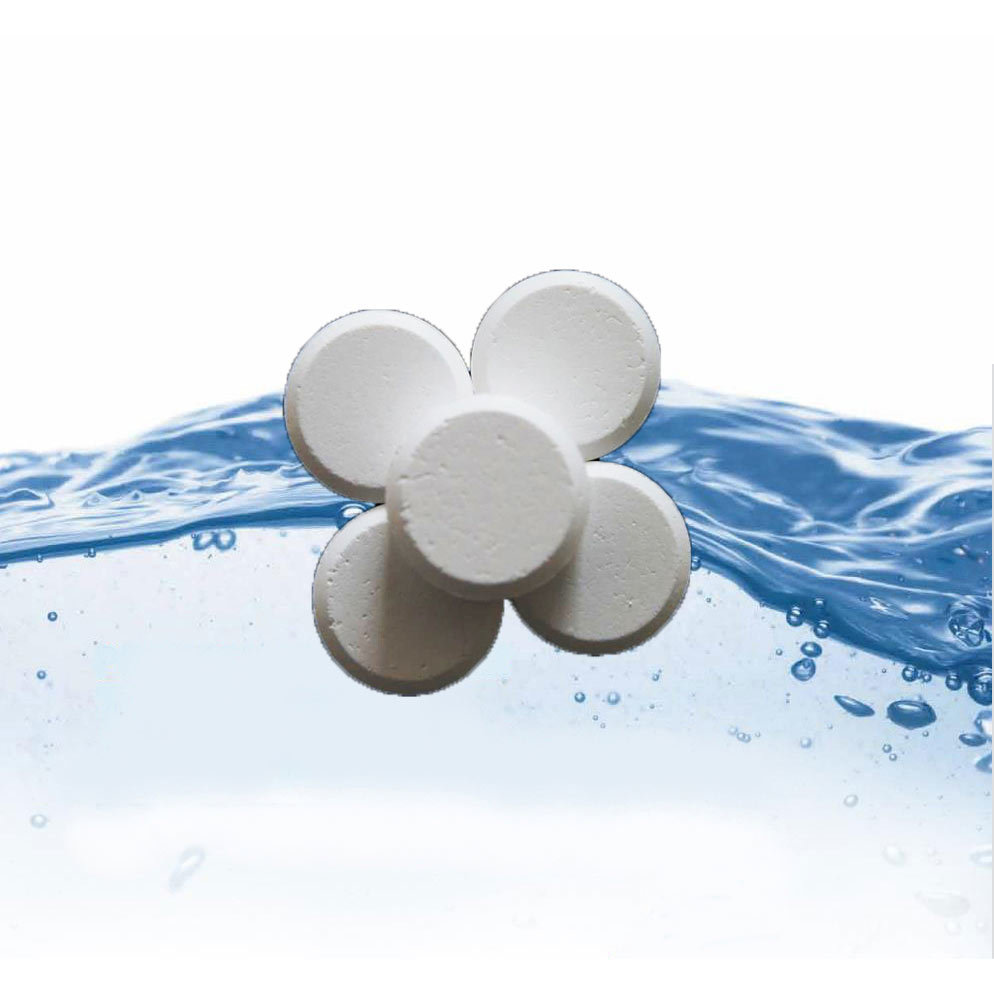
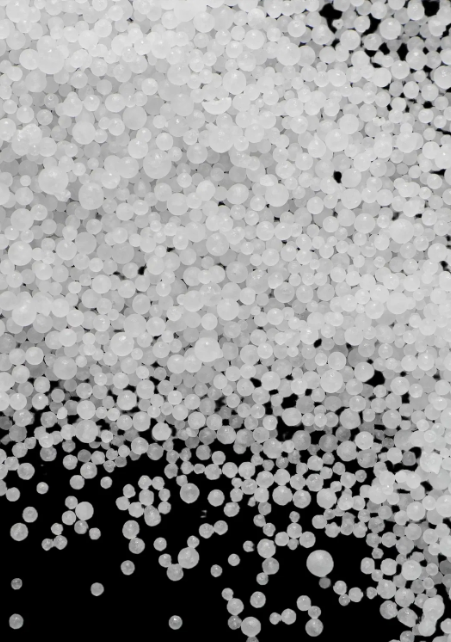
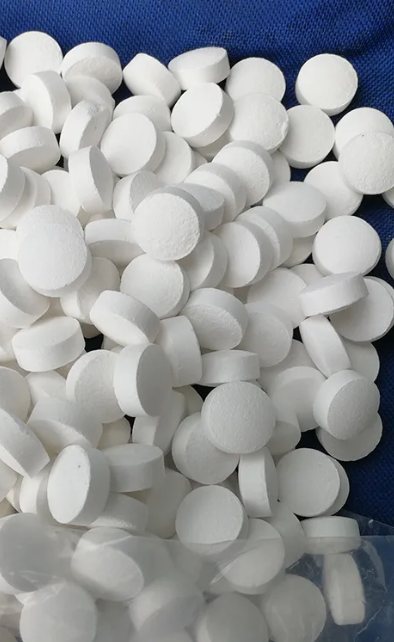
In contrast, SDIC (available in 56% or 60% granular or tablet form) offers superior thermal and chemical stability. As a dry chlorinated isocyanurate, SDIC experiences virtually negligible chlorine loss when stored in its original, sealed airtight packaging. For overseas buyers dealing with 30-to-45-day shipping windows, SDIC guarantees that the active ingredient paid for at the factory is the exact amount delivered to the treatment dosing tanks.
2. Cyanuric Acid Stabilization: The Built-In Efficiency Factor
From an engineering perspective, raw chlorine is highly vulnerable to degradation by ultraviolet (UV) radiation from sunlight. When liquid sodium hypochlorite is dosed into open-air industrial cooling towers, textile bleaching baths, or commercial pools, sunlight can destroy up to 90% of free available chlorine within two hours.
SDIC solves this engineering challenge through its chemical structure. Upon dissolution, it releases free chlorine along with a balanced proportion of cyanuric acid (CYA). Cyanuric acid acts as a "chlorine stabilizer," shielding the active sanitizer from UV rays. This built-in protection extends the active lifespan of the chlorine by three to five times, drastically reducing the required dosage frequency and cutting overall chemical consumption volume for open-air treatment systems.
3. Logistics and Handling: Freight Cost vs. Active Ingredient Mass
Shipping chemicals globally requires a strict analysis of freight efficiency. Liquid bleach consists of approximately 85% to 90% water, meaning international buyers are effectively paying premium hazardous ocean freight rates to transport water across continents. Furthermore, liquid sodium hypochlorite is highly corrosive, requiring specialized, expensive rubber-lined tanks or heavy-duty IBC totes, and carries a significant risk of catastrophic spills during port handling.
SDIC completely flips the economic equation:
- High Concentration: With 56-60% available chlorine content, one metric ton of SDIC provides equivalent sanitizing power to roughly 4 to 5 metric tons of commercial liquid bleach.
- Reduced Freight Footprint: B2B buyers slash their container requirements by up to 75%, lowering ocean freight, port handling surcharges, and inland trucking costs.
- Safety Compliance: While classified as a dangerous good for shipping (UN 2465), dry SDIC is significantly safer to store, stack, and move than volatile, corrosive liquids, thereby minimizing warehouse liability and lowering insurance premiums.
Strategic Procurement Takeaway: For procurement teams evaluating long-term supply agreements at