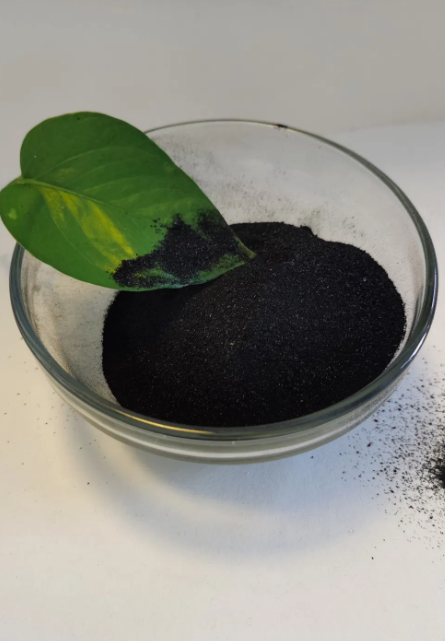
From Water Treatment to Stability Management: New Applications of Sodium Humate in Aquaculture
In aquaculture, the most difficult challenges are not always caused by a single obvious water-quality problem. In many cases, the greater challenge is continuous environmental fluctuation.
Heavy rainfall, sudden temperature changes, intensive feeding, changes in algae activity and the accumulation of organic matter can all influence pond conditions within a relatively short period of time.
As a result, modern aquaculture management is gradually moving from “treating problems after they appear” toward reducing environmental fluctuations in advance. Within this approach, sodium humate can be considered not simply as a treatment material, but as part of a broader pond management strategy.
Moving Beyond Single Water-Quality Indicators
Traditional pond management often focuses on parameters such as transparency, pH, dissolved oxygen and ammonia levels. When one parameter moves outside the desired range, a corresponding treatment is usually introduced.
However, a pond is a continuously changing ecosystem. Feed residues, organic matter, algae metabolism and bottom sediments are all connected with changes in the aquatic environment.
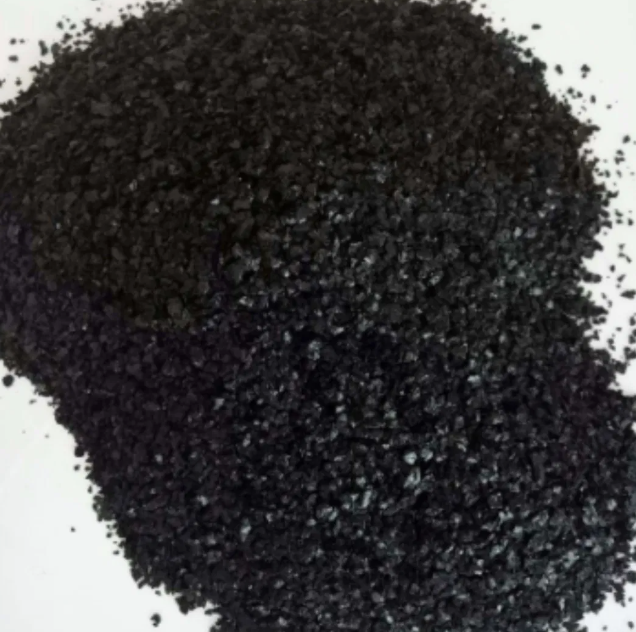
Under appropriate application conditions, sodium humate can become a supporting material within routine pond management. Its value does not necessarily come from rapidly changing one specific water-quality parameter. Instead, it can be incorporated into a more continuous approach to environmental management.
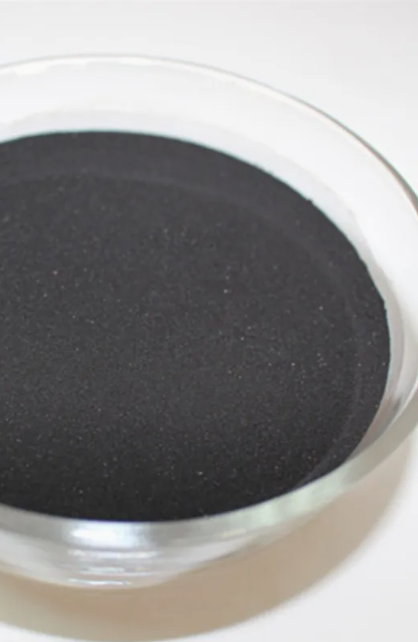
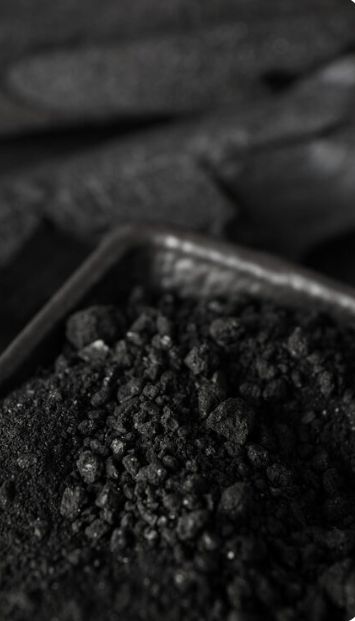
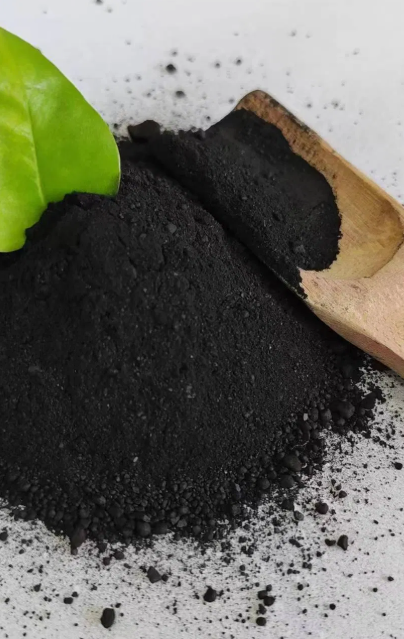
This creates a broader positioning for Sodium Humate Powder in the aquaculture supply chain.
Why Weather Fluctuations Create Additional Management Pressure
Weather is one of the variables that aquaculture operators cannot directly control.
For example, a period of high temperatures followed by heavy rainfall may cause rapid changes in water temperature, light conditions and biological activity. If organic matter has already accumulated in the pond, these changes may create additional management pressure.
The same principle applies to intensive feeding. As feeding levels increase, residues and metabolic materials can also increase. Waiting until visible water-quality deterioration occurs may require more intensive intervention.
A more proactive strategy is to monitor the pond continuously and pay attention to organic matter, bottom conditions and overall water stability before major problems develop.
This provides another practical direction for sodium humate applications in Pond Water Treatment.
Integrating Sodium Humate into Routine Aquaculture Management
Sodium humate can be incorporated into different pond-management programs depending on the culture system and actual environmental conditions.
In shrimp farming, operators often need to manage relatively high stocking densities, continuous feeding and sensitive environmental conditions at the same time. Product selection therefore needs to consider not only short-term applications, but also how a product fits into the management process throughout the production cycle.
As a humic-substance material, sodium humate can be used alongside other routine aquaculture practices. For example, after water exchange, bottom maintenance or microbial management, operators can develop follow-up management plans based on actual pond conditions rather than expecting a single product to solve every environmental issue.
This integrated approach is increasingly relevant to intensive aquaculture.
A New Perspective for Buyers and Distributors
For importers, distributors and suppliers of aquaculture inputs, the commercial potential of sodium humate is not necessarily limited to traditional fertilizer or water-treatment markets.
As aquaculture becomes more intensive and management becomes more precise, buyers are increasingly interested in products that can fit into practical production programs.
Instead of presenting sodium humate only as a solution for a specific water-quality problem, suppliers can connect it with real management scenarios, including pond maintenance before and after rainy periods, routine management during intensive feeding, long-cycle shrimp farming, bottom-environment maintenance and supplementary management after environmental changes.
In this context, sodium humate can function as an Aquaculture Water Conditioner and Water Quality Improver within a broader management program, depending on the specific culture conditions and application strategy.
For shrimp producers and aquaculture-input distributors, this also creates opportunities to develop more scenario-based product portfolios. Shrimp Farming Additive is therefore another potential application direction when the product is positioned according to actual farming requirements.
From Problem Response to Fluctuation Management
Many aquaculture problems do not develop overnight. They are often the result of accumulated organic matter combined with sudden environmental changes.
For this reason, one of the emerging application concepts for sodium humate is process-oriented management rather than simply using the product as a reactive treatment after a problem occurs.
For aquaculture operators, maintaining a more stable pond environment can make daily management more predictable. For importers and distributors, it also means sodium humate can be introduced into a wider range of aquaculture-management solutions.
This shift—from responding to visible problems toward managing environmental fluctuations—provides a practical new perspective on the application of sodium humate in modern aquaculture.