
From “Water Treatment” to “Water Stability”: A New Perspective on Sodium Humate in Modern Aquaculture
In aquaculture, good water quality is not simply about having clear-looking water.
Weather changes, feed input, stocking density, and organic matter accumulation can all affect pond conditions. For commercial farms, the more important goal is therefore not only to react after a problem appears, but to maintain a more stable aquatic environment over time.
This is where sodium humate deserves a closer look.
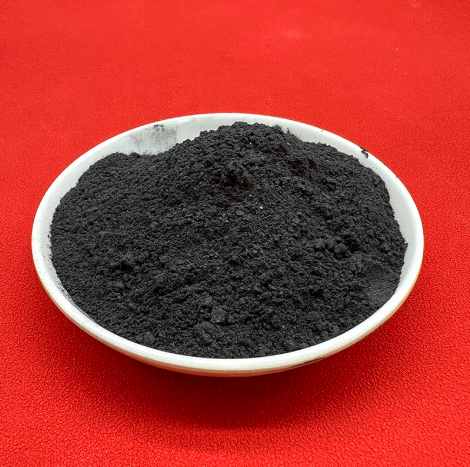
Sodium Humate Is More Than a Water-Color Product
Traditionally, some users judge sodium humate mainly by changes in water color. However, visual appearance alone cannot fully describe water quality.
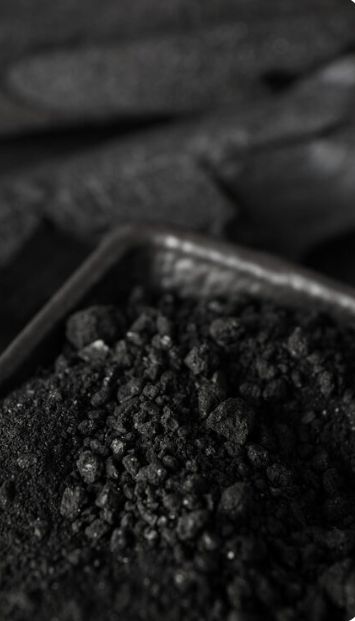
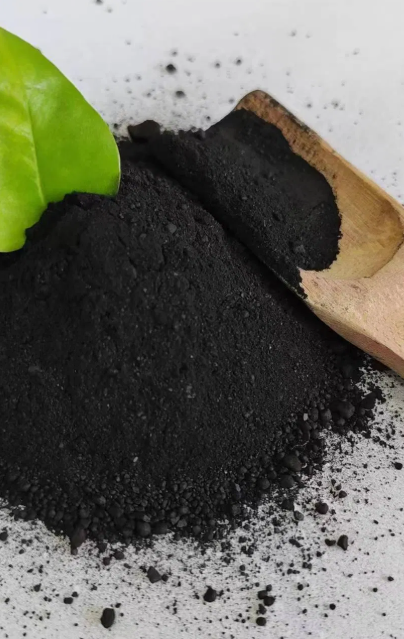
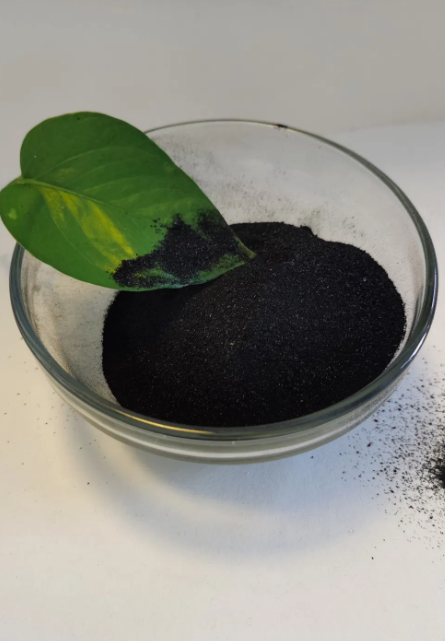
As a humic-based material, sodium humate has properties associated with adsorption and complexation. In practical applications, it can be considered as an auxiliary component of a broader water-management program, together with water monitoring, pond-bottom management, water exchange, and routine aquaculture practices.
For buyers, this means looking beyond visual effects and paying attention to product consistency, dissolution performance, specifications, and application suitability.
Why Is It Attracting More Attention in Aquaculture?
High temperatures, heavy rainfall, and prolonged cloudy weather can all put additional pressure on pond management.
When several environmental changes occur together, a previously stable pond may become much more difficult to manage.
This is why modern aquaculture is increasingly focused on environmental resilience.
Sodium humate is not a substitute for disinfectants, nor is it a universal solution for every water-quality problem. Instead, it can serve as an auxiliary tool within a broader management strategy.
Its role is increasingly about supporting routine management rather than simply reacting to emergencies.
Beyond Aquaculture
The potential applications of sodium humate also extend into agriculture.
It can be incorporated into Soil Amendment programs and related soil-management practices. For distributors serving agriculture, aquaculture, and water-treatment markets, this cross-sector potential creates additional opportunities.
Professional B2B buyers are also looking beyond price. Product consistency, raw-material quality, packaging, transportation, technical documentation, and long-term supply capability can all influence purchasing decisions.
Kemdon Chemical: Connecting Products with Applications
Qingdao Kemdon Chemical focuses on chemical products serving water treatment, agriculture, aquaculture, and related industries.
For sodium humate, future competition may not simply be about offering a lower price. It may increasingly depend on providing consistent quality and products that fit real application requirements.
As aquaculture moves toward more systematic environmental management, sodium humate is also gaining a broader role as an Aquaculture Water Conditioner and auxiliary material for Pond Water Treatment.
From "treating water" to "maintaining water stability" — this may be one of the directions worth watching in the next stage of sodium humate applications.