

Global Chemical Procurement Guide: Mitigating Deliquescence Risks and Navigating Hazardous Goods Compliance in Caustic Soda Shipping
In global basic chemical trading, Sodium Hydroxide is an indispensable strong alkaline raw material widely utilized across dozens of industrial sectors, including alumina refining, pulp and paper manufacturing, wastewater treatment, textile processing, and chemical synthesis. However, for international chemical buyers and supply chain engineers, procuring this chemical internationally involves much more than simply comparing unit prices. Due to its extreme hygroscopic properties and corrosive hazard classification, numerous compliance and quality risks hide within the ocean freight chain—from factory exit to destination port delivery—that can cause substantial financial losses if unmanaged.
This article provides an in-depth analysis from the perspective of supply chain engineers and professional procurement officers on effectively controlling the physical stability of Industrial Grade Caustic Soda during cross-border transit, while ensuring that hazardous packaging fully complies with International Maritime Organization (IMO) standards.
1. Form Selection and Logistics Economics: Flakes, Pearls, and Liquid Solutions
Before initiating a purchasing plan, procurement teams must evaluate their specific end-use application alongside maritime shipping costs to balance the trade-offs between different product forms:
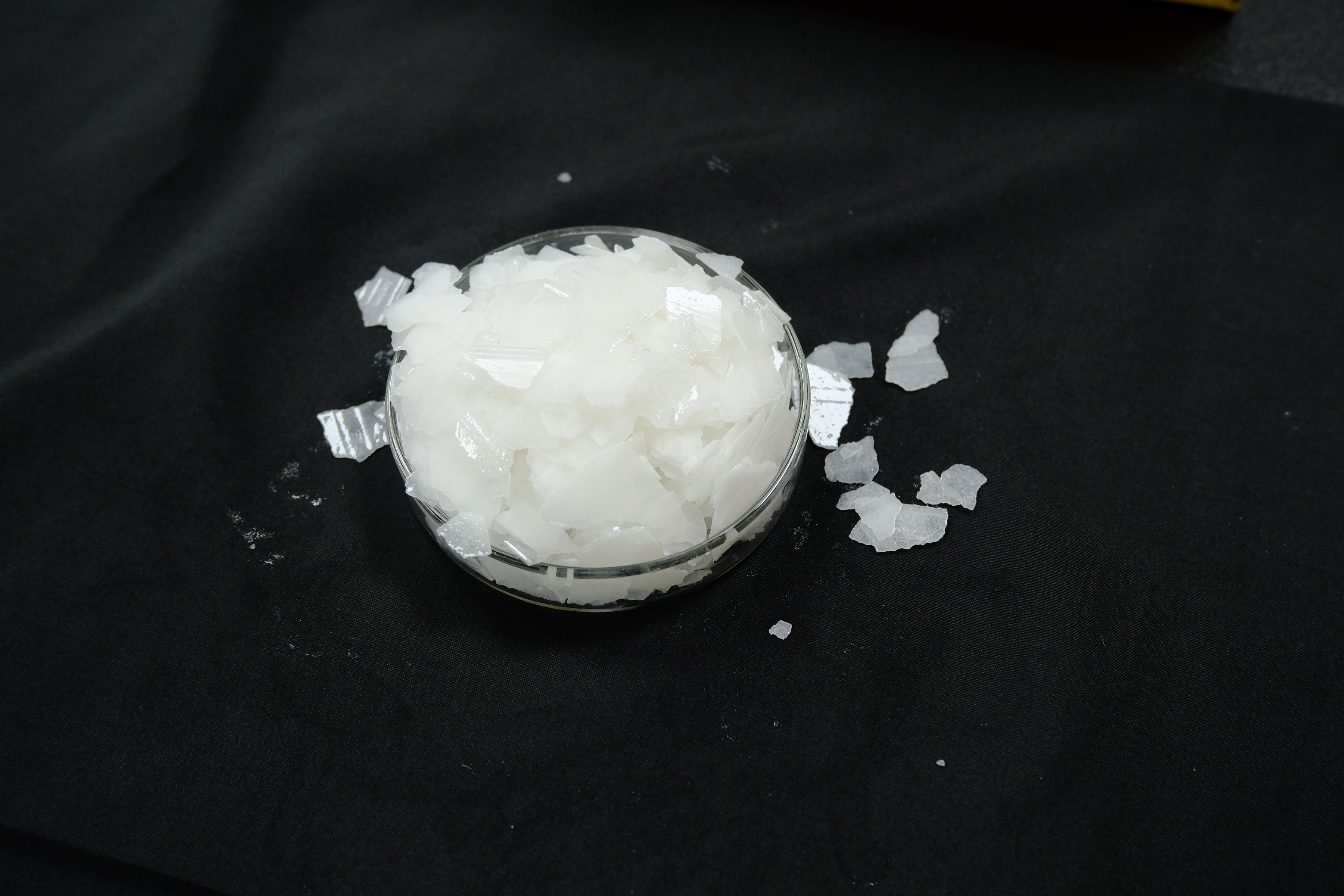
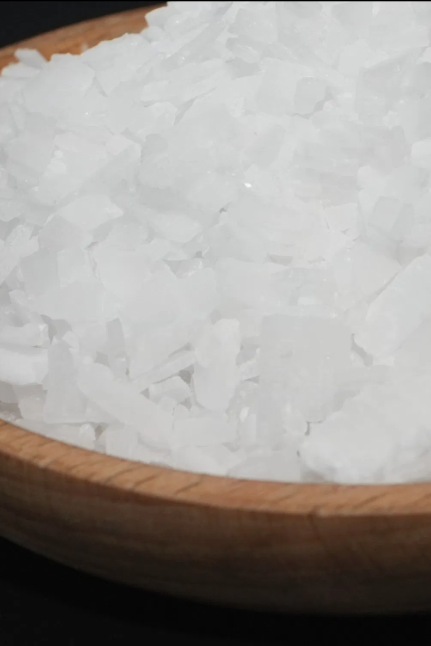
- Caustic Soda Flakes (99% / 96% Purity): One of the most dominant forms in global bulk chemical trading. Flakes offer a rapid dissolution rate, making them ideal for medium-to-large industrial plants that prepare alkaline solutions on-site. However, their thin, flat shape results in a higher surface area; if outer packaging is breached, they absorb moisture rapidly, leading to severe caking.
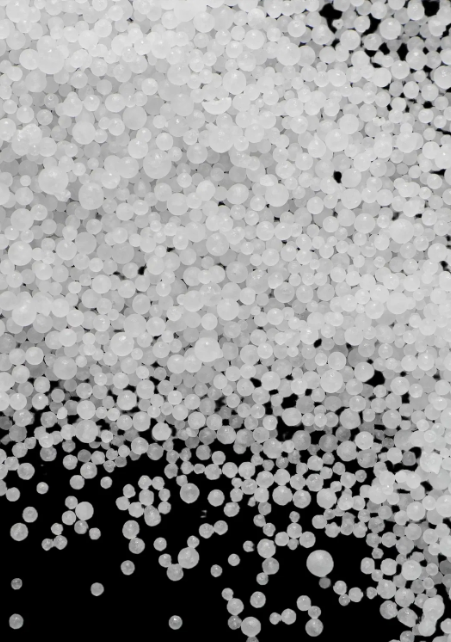
- Caustic Soda Pearls (99% Purity): Compared to flakes, spherical pearls provide uniform particle size and superior flowability. This physical structure makes pearls particularly suitable for automated feeding systems and precision dosing equipment. Furthermore, pearls feature a higher bulk density, optimizing container volume utilization while offering slightly better resistance to atmospheric moisture.
- Liquid Caustic Soda (30%–50% Concentration): Ready-to-use liquid eliminates the on-site dissolution process for end users. However, transporting liquid internationally means paying substantial freight costs for water weight. In addition, high-concentration liquid tends to crystallize in low ambient temperatures and requires specialized ISO tanks or corrosion-resistant parcel tankers, resulting in significantly higher logistical complexity and expenses.
Consequently, for most medium-to-long-distance international shipments, solid forms like high-purity flakes and pearls remain the most cost-effective and scalable choice.
2. Core Supply Chain Pain Points: Deliquescence Caking and Barrier Packaging
Solid Caustic Soda is intensely hygroscopic. When exposed to ambient air, it rapidly absorbs atmospheric moisture, dissolves in its own water of hydration, and reacts with ambient carbon dioxide to form sodium carbonate, thereby lowering its active content. During multi-week transoceanic voyages, shipping containers undergo extreme diurnal temperature fluctuations, creating a phenomenon known as "container rain." Once moisture penetrates the bags, the material hardens into rock-like clumps, making manual or automated unloading extremely difficult and causing severe feeding errors on production lines.
To establish a resilient physical barrier, compliant packaging design is critical:
- Triple-Layer Composite Protection: Premium export packaging usually incorporates a triple-layer structure comprising a High-Density Polyethylene (HDPE) or Polyethylene (PE) inner liner, a moisture-proof intermediate barrier, and a heavy-duty Polypropylene (PP) woven outer bag. The inner liner must be hermetically heat-sealed to completely block water vapor ingress.
- In-Container Moisture Defense: During container stuffing, moisture-proof liners should be laid along the walls and floor, and industrial-grade calcium chloride desiccants should be installed to capture free ambient moisture and prevent humidity accumulation inside the container.
3. Maritime Dangerous Goods Compliance: IMDG Code and UN Packaging Certification
Under the International Maritime Dangerous Goods (IMDG) Code, Caustic Soda is classified as a Class 8 Corrosive Substance, generally assigned to UN 1823 (solid) or UN 1824 (liquid). For importers, customs clearance delays and legal compliance risks typically stem from non-compliant dangerous goods documentation and packaging credentials.
- UN Dangerous Goods Packaging Certificate: Issued by authority bodies in the exporting country, this certificate confirms that the packaging has successfully passed UN-standard drop tests, stacking tests, and air-tightness tests. Lacking a valid UN packaging certificate will prevent the shipment from clearing customs and loading at the port of origin.
- MSDS/SDS Consistency: The Safety Data Sheet (SDS) must strictly adhere to the Globally Harmonized System (GHS) standards. All hazard classifications, packing groups, and emergency response procedures listed on the SDS must align 100% with the Ocean Bill of Lading (B/L) and the Dangerous Goods (DG) Declaration.
- Destination Port Hazardous Demurrage Policies: Many international ports enforce strict limitations on the allowable dwell time for Class 8 hazardous goods on berth terminals. Importers' procurement teams must coordinate direct-delivery protocols or off-dock hazardous warehouse arrangements in advance to avoid exorbitant demurrage and detention charges caused by clearance delays.
4. Quality Control and Impurity Management: Avoiding Hidden Operational Losses
Beyond physical caking during transit, chemical purity parameters require careful verification by procurement engineers. Key impurities in commercial alkaline products include sodium chloride, sodium carbonate, and trace heavy metals like iron (Fe).
- Elevated Sodium Carbonate Content: High carbonate levels typically indicate degradation caused by compromised package sealing. Excessive carbonate forms insoluble precipitates in specific industrial reactions, clogging dosing nozzles, scaling heat exchangers, or deactivating catalysts.
- Iron (Fe) Contamination: In the textile dyeing and paper pulp industries, even trace amounts of iron can cause unwanted yellowing or discoloration of bleached fibers. Buyers should require batch-specific Certificates of Analysis (COA) to verify that iron levels are strictly controlled within low parts-per-million (ppm) thresholds.
By establishing a robust supplier evaluation framework, defining stringent packaging specifications, and rigorously enforcing dangerous goods shipping compliance, chemical buyers can effectively de-risk their international supply chain and secure a consistent, high-quality supply of raw materials.