


High-Efficiency Applications and Packaging Innovations of Calcium Hypochlorite for Global Drinking Water Safety
Against the backdrop of increasingly stringent global water resource management and environmental regulations, selecting efficient and safe water purification reagents has become a core concern for multinational buyers and water treatment engineers. As a classic and indispensable powerful disinfectant, calcium hypochlorite plays a critical role in safeguarding drinking water safety, industrial circulating water treatment, and municipal wastewater purification. However, how to ensure high reagent activity while solving the problem of degradation during long-term storage, and achieving precise dosing control in practical applications, has always been a major pain point in the industry. This article provides an in-depth analysis of innovative technical practices for calcium hypochlorite in modern water treatment across three dimensions: material stability regulation, adaptation of novel dissolution and dosing systems, and the latest international environmental compliance trends.
1. Resolving Storage and Degradation Pain Points: Process Optimization of Premium Solid Calcium Hypochlorite
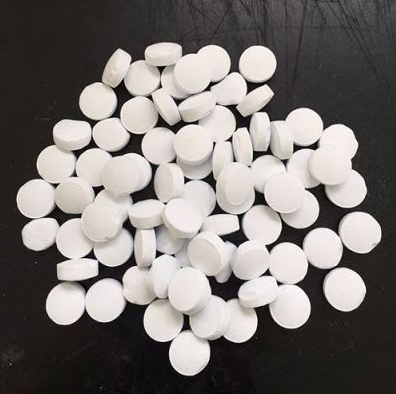
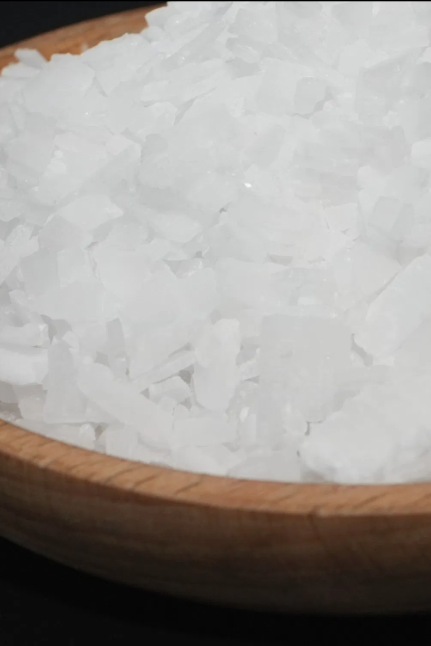
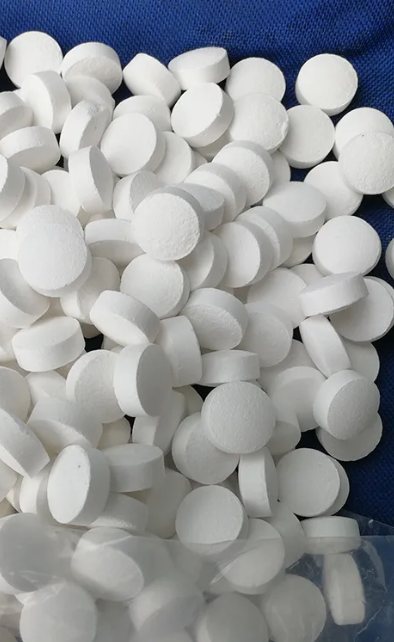
Traditional calcium hypochlorite products are prone to decomposition under high temperature and high humidity conditions, which not only leads to a decline in available chlorine content but can also pose safety hazards during transport and storage due to gas release. Buyers often place extremely high demands on the stability and shelf life of the chemical when choosing products. To fundamentally solve this issue, modern chemical manufacturing has evolved toward higher-quality Solid Calcium Hypochlorite processes. By precisely controlling the free moisture content during the crystallization process and uniformly dispersing alkaline stabilizers within the microscopic structure of the material, autocatalytic decomposition reactions triggered by heat or trace moisture can be significantly suppressed.
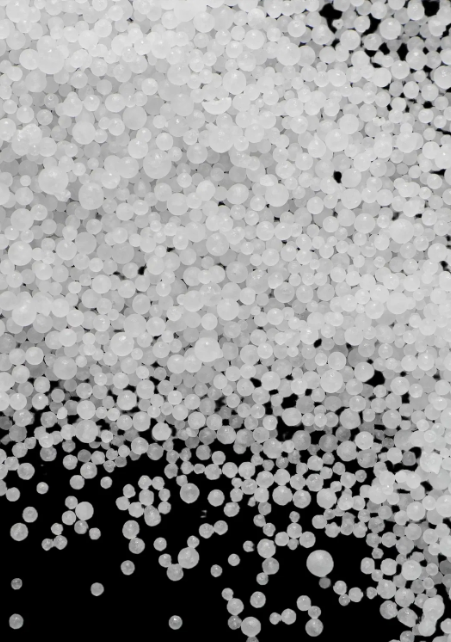
Furthermore, engineers have found that particle size distribution and uniformity directly affect the dissolution rate of the chemical and the stability of the dosing system. Innovative granulation technologies prevent the product from easily breaking into fine dust during transport, avoiding respiratory irritation for operators. This also ensures smooth feeding in automated dosing machines and effectively prevents pipe clogging, drastically lowering the routine maintenance costs of water plants.
2. Innovation in Drinking Water Disinfection: Precise Dissolution and Byproduct Control
With comprehensive upgrades to water quality safety standards, regulatory agencies have introduced unprecedentedly strict limits on disinfection byproducts (such as chlorates and bromates) in drinking water. When leveraging Calcium Hypochlorite For Drinking Water Disinfection, water engineers must overcome the technical hurdle of maximizing pathogen eradication while strictly minimizing byproduct formation.
Latest research demonstrates that optimizing the hydrodynamic design of online dissolution systems—utilizing multi-stage progressive dissolution instead of traditional single violent agitation—can maintain the solution within a rational pH range. This method accelerates the release of active ingredients and prevents accelerated self-generation of chlorate caused by localized high concentrations. Meanwhile, integrated with modern sensors and IoT technology, automated dosing systems can make millisecond-level dynamic adjustments based on raw water flow rates and residual chlorine feedback. This precise mode of Use Of Calcium Hypochlorite In Water Treatment thoroughly transforms traditional loose dosing methods. It ensures residual chlorine compliance at the pipe network terminus while making terminal drinking water clearer, safer, and noticeably better-tasting.
3. New Ocean Shipping Regulations for Dangerous Goods and Compliance Layout in Global Procurement
As a bulk fine chemical, the international logistics of calcium hypochlorite has always been strictly regulated by the International Maritime Organization (IMO) Dangerous Goods regulations. In recent years, maritime regulations for dangerous goods have been frequently updated, imposing higher compliance requirements on product packaging groups, container stowage positions, and sun protection/thermal insulation measures. For overseas buyers, any customs delays or rejections caused by lack of compliance or substandard packaging can cause immeasurable damage to the supply chain.
To adapt to this compliance norm, leading Chinese manufacturers are comprehensively implementing new composite packaging technologies that meet the highest United Nations (UN) testing standards. By utilizing high-density polyethylene (HDPE) specially modified drums equipped with anti-bloating, one-way venting caps, the product isolates external moisture while smoothly releasing micro-accumulated gases under extreme high temperatures. This fundamentally eliminates container bloating and deformation during transit. Simultaneously, proactively securing authoritative international certifications like EPA and NSF ensures the product seamlessly integrates with premium water treatment markets in Europe, America, and the Asia-Pacific region, securing a resilient and long-term procurement supply chain with optimal Calcium Hypochlorite For Water Purification capability.