

High-Iodine Activated Carbon Gains Attention in Advanced Water and Air Purification Applications
As global industries continue to face stricter environmental regulations and higher standards for water and air quality, activated carbon products are becoming increasingly important in modern purification systems. From municipal water treatment facilities to industrial wastewater recycling and indoor air filtration, high-performance activated carbon solutions are now widely recognized for their efficiency, versatility, and cost-effectiveness.
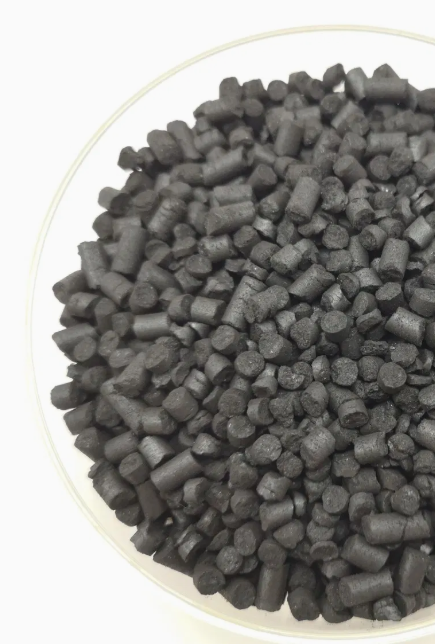
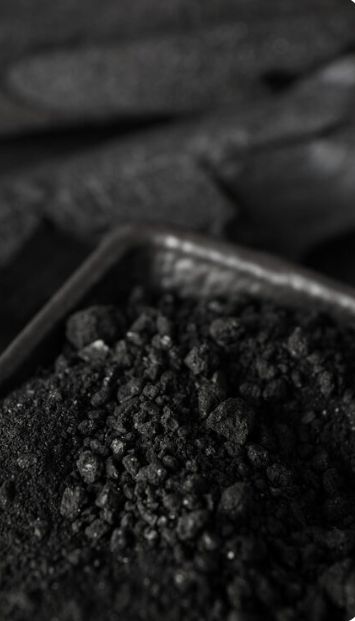
Among the many filtration materials available on the market, Granular Activated Carbon, Coconut Shell Activated Carbon, and Powdered Activated Carbon are receiving growing attention due to their excellent adsorption capabilities and stable filtration performance. With rising concerns over organic contaminants, unpleasant odors, chlorine residues, and volatile compounds, industries are actively upgrading their filtration systems using advanced Activated Carbon products with High Iodine Value properties.
Increasing Demand for High-Performance Activated Carbon
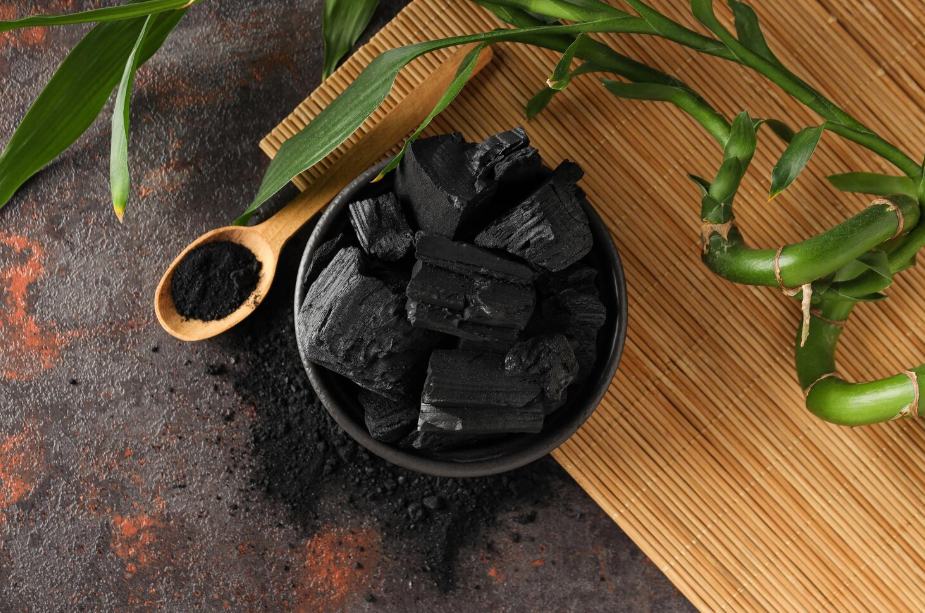
Activated carbon is widely used because of its highly porous structure, which enables it to adsorb impurities effectively. Products with a high iodine value generally indicate stronger adsorption capacity, making them particularly suitable for demanding purification applications.
In water treatment systems, activated carbon can efficiently remove residual chlorine, pigments, pesticides, dissolved organic compounds, and unpleasant tastes or odors. Municipal water plants, beverage manufacturers, food processing facilities, and pharmaceutical factories are all increasing their use of activated carbon filtration technologies to improve water quality and comply with environmental standards.
At the same time, industries dealing with wastewater discharge are also investing in advanced filtration solutions. Activated carbon is increasingly being integrated into industrial treatment systems to support wastewater reuse, reduce chemical oxygen demand, and improve overall treatment efficiency.
Coconut Shell Activated Carbon Becomes a Preferred Choice
Among various raw materials, coconut shell-based activated carbon is gaining popularity because of its hardness, low ash content, and superior microporous structure. Compared with coal-based alternatives, coconut shell activated carbon typically offers better adsorption performance for small molecular impurities and delivers a longer service life.
This type of activated carbon is particularly suitable for drinking water purification, ultrapure water preparation, gold recovery, and household filtration systems. Its renewable raw material source also aligns with growing environmental sustainability goals.
Industry analysts note that demand for coconut shell activated carbon is expected to continue increasing, especially in regions where clean water infrastructure and industrial recycling projects are rapidly expanding.
Powdered Activated Carbon Supports Emergency Water Treatment
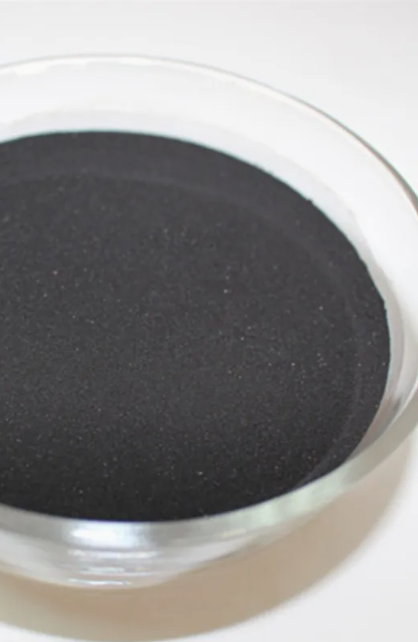
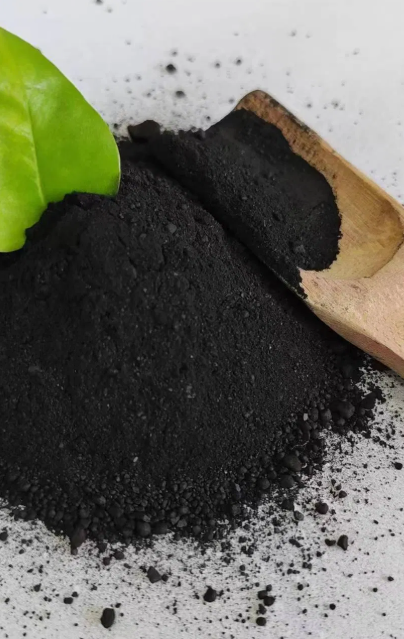
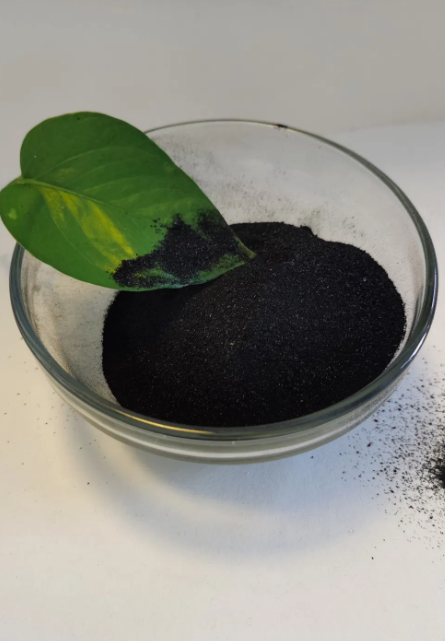
In addition to granular forms, powdered activated carbon is also widely used in temporary or emergency water treatment applications. Due to its fine particle size and rapid adsorption speed, powdered activated carbon can quickly remove sudden contamination caused by industrial leakage, algae outbreaks, or odor incidents in water systems.
Many water treatment plants keep powdered activated carbon as part of their emergency response strategy to maintain stable water quality during seasonal or unexpected contamination events.
Activated Carbon Expands into Air Purification Applications
Beyond water treatment, activated carbon is playing a growing role in air purification systems. Industrial workshops, commercial buildings, and household air purifiers increasingly rely on activated carbon filters to remove odors, smoke, formaldehyde, and volatile organic compounds.
As people pay more attention to indoor air quality, the market for activated carbon-based air filtration products continues to expand. High-quality activated carbon with optimized pore distribution can significantly improve adsorption efficiency and extend filter lifespan.