

High Iodine Value Coconut Shell vs. Coal-Based Granular Activated Carbon: A Deep Comparative and Selection Guide for Industrial and Municipal Water Treatment
In the process design of modern industrial wastewater treatment and municipal drinking water purification, activated carbon serves as the core adsorption medium. Its selection directly impacts the effluent water quality metrics, operational lifespan, and comprehensive operating costs of the entire system. For procurement managers and process engineers, the primary challenge when facing a wide array of commercial activated carbon products is how to precisely balance adsorption efficiency with cost-effectiveness under specific water quality conditions. This article provides a comprehensive analysis of the two most prevalent types of granular activated carbon—Coconut Shell Activated Carbon and Coal-Based Granular Activated Carbon—examining their micro-pore structures, practical application scenarios, mechanical attrition resistance, and operational cycles to deliver actionable selection advice.
1. Micro-Pore Structure Dictates Adsorption Specificity
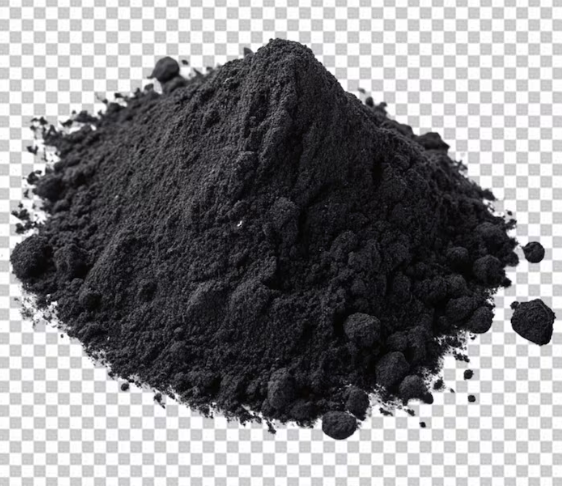
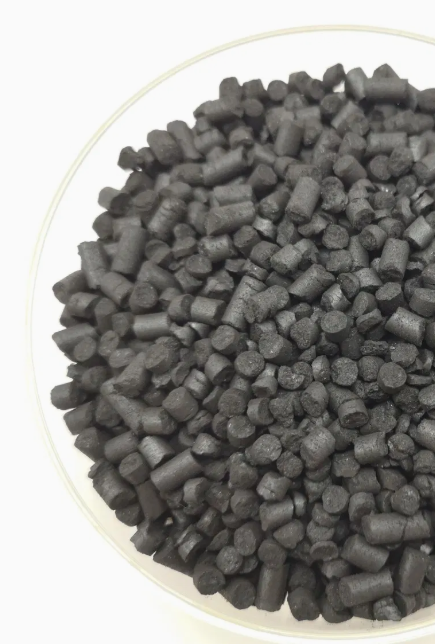
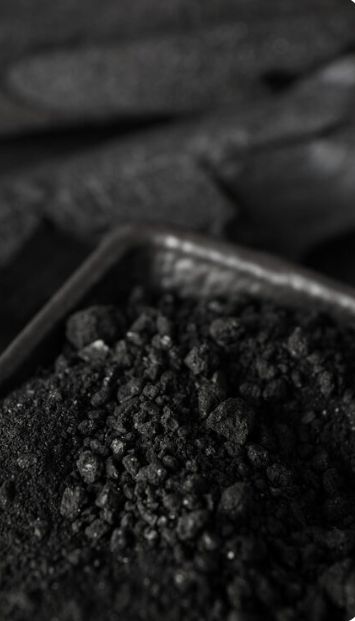
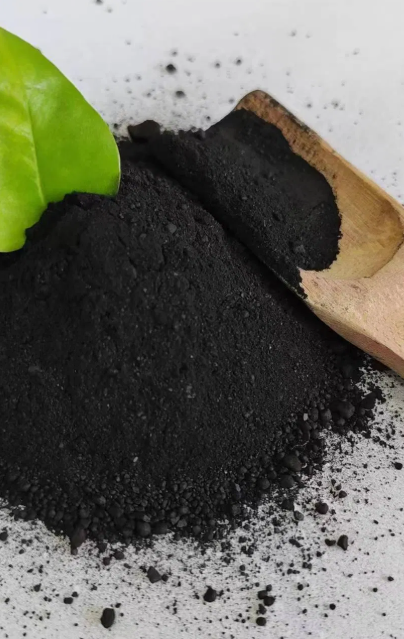
The adsorption capacity of activated carbon is fundamentally determined by its highly developed internal pore structure. Coconut Shell Activated Carbon is manufactured from premium coconut shells through high-temperature carbonization and activation. The defining characteristic of its microstructure is an exceptionally well-developed network of micropores (pore diameter less than 2 nanometers). This structure grants it unparalleled adsorption rates and capacities for low-molecular-weight organic compounds with small molecular diameters. Generally, high-quality coconut shell carbon exhibits a remarkably high iodine value, which serves as a direct indicator of its superior adsorption activity.
In contrast, coal-based Granular Activated Carbon displays a distinct pore size distribution. Its internal architecture comprises not only micropores but also a substantial volume of mesopores (pore diameter between 2 and 50 nanometers) and macropores. This multi-modal pore distribution provides smooth diffusion pathways when dealing with complex industrial organic pollutants of larger molecular weights, thereby enabling the efficient interception of large-molecule Chemical Oxygen Demand (COD) and color compounds.
2. Precise Matching of Water Treatment Application Scenarios
In the sector of municipal water supply and high-end drinking Water Treatment, the raw water primarily contains trace pesticide residues, disinfection byproducts (such as trihalomethanes), volatile organic compounds (VOCs), and geogenic odor-causing substances like geosmin and 2-methylisoborneol (2-MIB). Coconut shell activated carbon, with its dense micropore network, can reduce these trace contaminants to near-zero concentrations, ensuring safety and an optimal taste profile. Furthermore, it features extremely low ash content and a minimal risk of heavy metal leaching, fully complying with stringent drinking water hygiene standards.
Conversely, in the tertiary treatment stages of industrial wastewater processing and large-scale sewage treatment plants, the influent composition is highly complex, frequently laden with high concentrations of synthetic dyes, surfactants, petroleum hydrocarbons, and polycyclic aromatic organics. In these demanding conditions, coal-based granular activated carbon proves to be the ideal choice as the primary Carbon Filter Media. The well-developed mesopores of coal-based carbon rapidly capture and immobilize large organic molecules. If a micropore-dominant coconut shell carbon were mistakenly deployed in such environments, its micropores would quickly become clogged by large molecules, causing pore blockages and premature saturation of the media.
3. Engineering Economics of Mechanical Strength and Backwash Attrition
Beyond adsorption performance, engineers designing filtration vessels or adsorption basins must critically evaluate the mechanical strength of the media. The natural density of coconut shells ensures that, following specialized activation, the resulting carbon possesses superior hardness and abrasion resistance compared to standard coal-based carbons. During prolonged exposure to high-velocity water flows and periodic high-intensity backwashing, coconut shell activated carbon exhibits exceptionally low breakage and pulverization rates. This translates directly to lower material replenishment frequencies and an extended operational lifespan.
While the mechanical strength of coal-based granular carbon is slightly lower than that of coconut shell carbon, modern temperature-controlled activation processes ensure its structural integrity fully meets the requirements of industrial-scale backwashing. More importantly, coal-based carbon offers a significant price advantage. For large-scale industrial wastewater installations where initial formatting volumes can reach tens or hundreds of metric tons, the lower per-ton cost of coal-based carbon substantially reduces the initial capital expenditure (CAPEX) of the project. Project engineers must calculate the total cost of ownership by balancing operational replenishment expenses against the initial material investment to identify the optimal economic sweet spot.
4. Procurement Recommendations and Compliance Essentials
To ensure that the procured activated carbon achieves the targeted operational parameters, Qingdao Kemdon recommends specifying critical quality indicators in procurement technical agreements. These include the iodine value and methylene blue adsorption value, which quantify micropore and mesopore abundance respectively, alongside hardness and ash content specifications that influence operational longevity and effluent purity. Additionally, for international export and high-end water purification projects, ensuring compliance with globally recognized environmental and safety certification standards (such as EPA/NSF) is paramount.
As a professional global supplier of Industrial Water Treatment Chemicals and media, Qingdao Kemdon Co., Ltd. is dedicated to providing worldwide buyers with premium, tailored activated carbon solutions. Whether your objective is achieving peak purity in drinking water systems or managing the rigorous demands of heavily polluted industrial effluent, our extensive industry experience and stringent quality control protocols ensure we deliver the most cost-effective match for your needs. We invite you to visit our official website at