


High-Standard Global Water Treatment in 2026: How to Avoid EPA and NSF Compliance Risks When Sourcing Calcium Hypochlorite
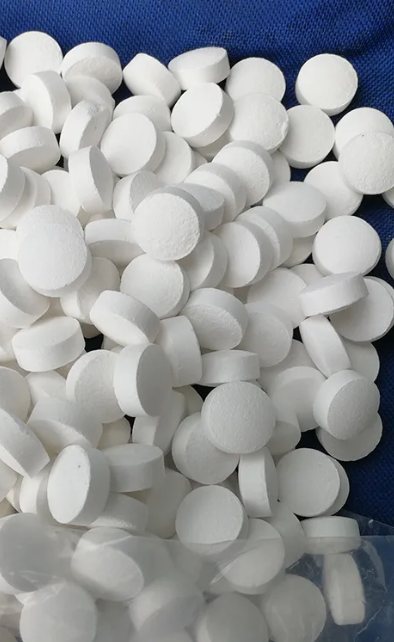
In international chemical trade and global water treatment, Calcium Hypochlorite is widely utilized for drinking water disinfection, swimming pool purification, and sanitation control in the food processing industry due to its efficient sterilization capabilities and relatively long shelf life. However, as global regulations on public health and environmental protection tighten year by year, international buyers face severe compliance challenges that go far beyond simple negotiations over price and available chlorine content.
For chemical products sold to high-standard markets such as North America, Latin America, and Europe, EPA registration and NSF certification have shifted from being optional advantages to mandatory market entry barriers. This article explores the core requirements of these two certifications to help buyers avoid potential legal and customs clearance risks when screening suppliers.
1. Why EPA Registration is the "Lifeline" for Entering the North American Market
Many buyers entering the North American market for the first time fall into a misconception: as long as the quality of Calcium Hypochlorite meets the standard, it can pass through customs and be sold smoothly. However, under U.S. law, any chemical substance claiming to have "sterilizing, disinfecting, or algaecidal" functions is defined as a pesticide or biocide, and must obtain registration approval from the U.S. Environmental Protection Agency (EPA).
EPA regulation targets not only the product itself but is also strictly tied to the manufacturing facility (EPA Establishment). If the imported Calcium Hypochlorite lacks a compliant EPA Registration Number, or if the label description mismatches the registered information, the cargo is highly likely to be detained at U.S. ports. This results in heavy demurrage fees, mandatory destruction, or return shipments, leading to massive financial losses for buyers. Therefore, confirming whether a supply partner has compliant EPA qualification support is the primary step when sourcing Calcium Hypochlorite.
2. NSF/ANSI Standard 60: The Gold Standard for Drinking Water Safety
While EPA focuses on environmental regulation and market compliance, NSF certification directly concerns the health and safety of end consumers. In the water treatment industry, NSF/ANSI Standard 60 is the dedicated international standard for drinking water treatment chemicals.
When Calcium Hypochlorite is used for drinking water disinfection in municipal water plants or ocean-going vessels, its purity requirements are far higher than those of standard industrial or pool-grade products. The core of NSF certification lies in toxicological evaluation and impurity control. It requires that once the product is dosed into water, the residual levels of heavy metals (such as lead, arsenic, cadmium, mercury) and other by-products must be strictly restricted within extremely low legal safety limits.
For high-end water treatment engineers and government procurement tenders globally, Calcium Hypochlorite without NSF 60 certification is strictly prohibited from entering drinking water systems. Selecting a supplier with this certification not only means the product purity has reached top international standards, but also helps buyers swiftly pass qualification reviews by local public utility departments.
3. Sodium Process vs. Calcium Process: Quality and Certification Considerations Under Different Technologies
In practical sourcing, the production technology of Calcium Hypochlorite (Sodium Process vs. Calcium Process) is closely related to its purity and its ultimate ability to pass high-standard certifications.
Currently, Calcium Hypochlorite produced via the advanced Sodium Process typically reaches an available chlorine content of 70% or higher, featuring extremely low water-insoluble matter and minimal sludge. Due to fewer impurities, products from this process easily pass the strict toxicological testing of NSF. Conversely, while the traditional Calcium Process offers cost advantages, its higher water-insoluble content makes it more suitable for industrial wastewater treatment or standard commercial pool disinfection where requirements are relatively relaxed. Buyers must wisely select the production process based on their end-use applications and destination country certification requirements, avoiding blind pursuit of low prices that could lead to non-compliance.
4. Conclusion: Partner with Compliant Experts to Secure the Global Market
Competition in the global chemical supply chain has long shifted from pure production capacity to a battle over compliance and supply chain stability. A Calcium Hypochlorite supplier who understands the language of international compliance and provides full certification support can save overseas buyers tens of thousands of dollars in hidden costs and legal risks.
As a professional enterprise deeply rooted in chemical exports, Qingdao Kemdon always keeps pace with the latest global environmental and market entry standards. We provide not only high-quality, high-stability Calcium Hypochlorite (Sodium/Calcium process) but also fully assist global clients in achieving regulatory compliance in their destination countries, safeguarding your path in international trade.