

High-Standard Industrial Wastewater Discharge Challenges: How to Extend System Lifespan and Reduce Operational Costs by Optimizing Activated Carbon Media
Introduction
Under increasingly stringent environmental regulations, industrial wastewater treatment plants (WTPs) are not only facing rigid compliance metrics for discharge but are also bearing the heavy burden of frequent media replacement and skyrocketing operational costs. When selecting water treatment chemicals, procurement managers and wastewater engineers often find themselves trapped in a dilemma between "low-cost media leading to frequent backwashing" and "premium media exceeding the budget." Grounded in real-world application pain points, this article explores how to achieve both cost reduction and efficiency optimization in tertiary industrial wastewater treatment through the selection of high-strength, high-adsorption media.
1. The Hidden Threat in Tertiary Industrial Wastewater Treatment: Trace Refractory Organics
In the secondary or tertiary stages of industrial sewage treatment, although most conventional pollutants are removed by biological methods, residual trace refractory organic compounds (such as synthetic dyes, surfactants, and pharmaceutical intermediates) remain the biggest obstacle to meeting COD (Chemical Oxygen Demand) discharge standards. Traditional chemical precipitation or standalone biological methods can rarely eliminate them entirely.
At this juncture, Water Treatment systems typically introduce adsorption processes. However, many engineers report that standard carbon media often experience severe "breakthrough" (where effluent metrics fail to meet standards) within just a few months of operation. Alternatively, due to insufficient mechanical strength, the media suffers heavy attrition during frequent backwashing, leading to increased system pressure drops and even damaging downstream precision filtration equipment.
2. Breaking the Bottleneck: The Synergistic Effect of Granular Activated Carbon (GAC) and Protective Coal-based Carbon
To address these persistent pain points, modern high-standard treatment facilities are shifting toward more targeted material combinations.
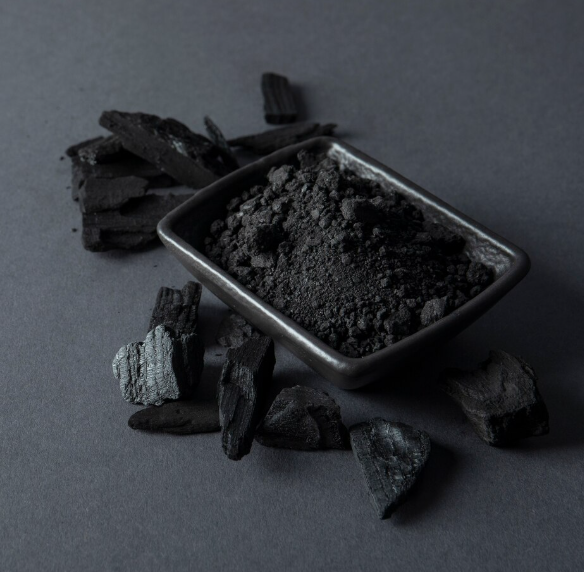
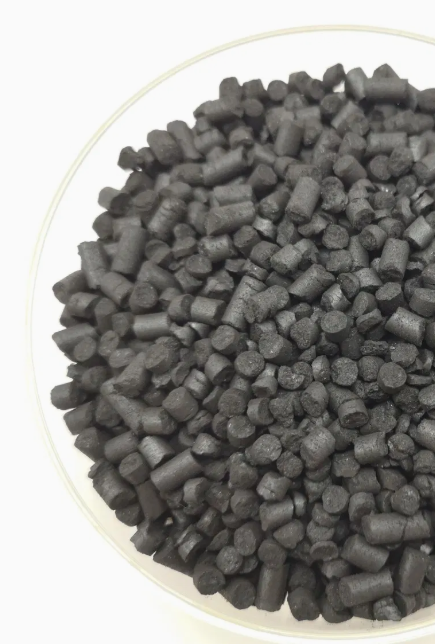
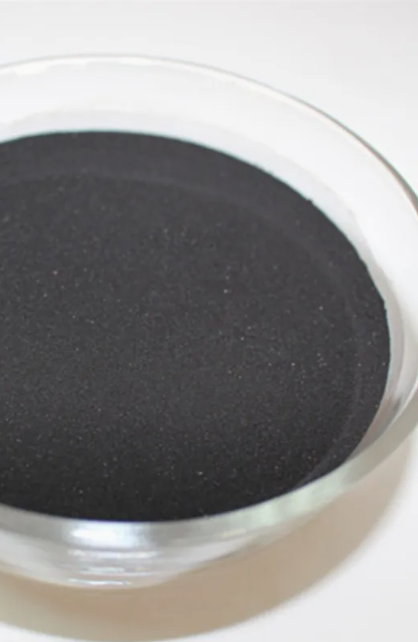
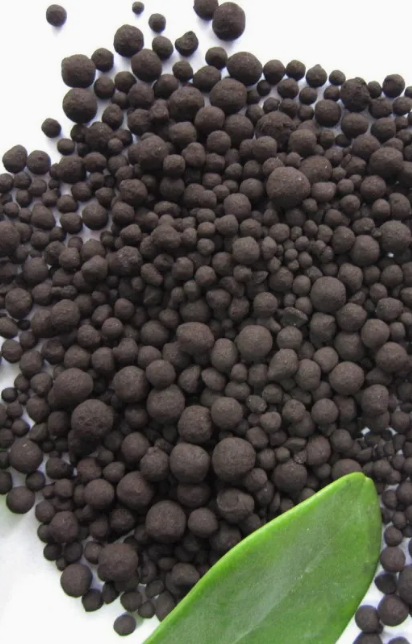
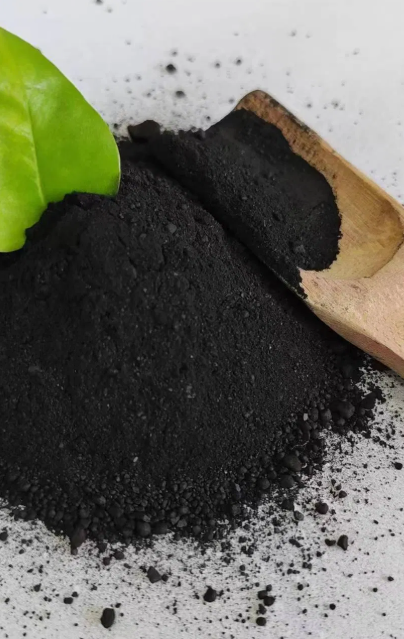
First, Granular Activated Carbon (GAC) serves as the core force for intercepting and adsorbing medium-to-large molecular organics due to its highly developed macro- and micro-pore structures. However, when faced with the complex chemical environments of industrial wastewater—along with potential shocks from strong oxidants, acids, or bases—a single type of carbon can easily undergo surface oxidation or pore clogging.
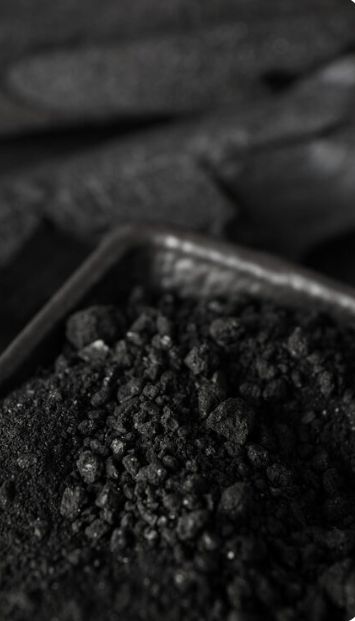
To apply a layer of "body armor" to the entire filtration system, utilizing Protective Coal-based Activated Carbon as a front-end protective layer or mixed-gradation media is emerging as an innovative engineering solution. This high-density coal-based carbon possesses exceptional mechanical attrition resistance (with hardness typically exceeding 95%) and superior chemical stability. It preferentially withstands the physical impact of the influent and the enrichment of high-concentration, coarse organic particles, thereby protecting the downstream fine media from premature fouling.
3. Procurement Perspective: Calculating Long-Term TCO Beyond "Price Per Ton"
For procurement professionals, simply comparing the per-ton price of Water Treatment Plant Chemicals is often a trap. Although high-quality Activated Carbon carries a slightly higher initial procurement cost, its economic benefits manifest across three long-term dimensions:
- Reduced Backwash Frequency: High-strength granular coal carbon does not pulverize easily, significantly minimizing the number of backwash cycles caused by carbon loss, which saves substantial amounts of backwash water and electricity.
- Extended Replacement Cycles: A carbon bed configuration equipped with excellent protective characteristics can extend operational lifespan by 30% to 50% compared to conventional carbon, directly slashing downtime maintenance hours and labor costs for media replacement.
- Guaranteed Compliance Security: Stable adsorption rates ensure that even during fluctuations in influent water quality, effluent COD and toxicity metrics remain safely within national discharge limits, mitigating the risk of environmental fines.
Conclusion
Industrial wastewater treatment is not a simple matter of "filling a tank with media"; it is a systematic engineering discipline balancing adsorption efficiency, mechanical strength, and operational lifespan. By scientifically pairing high-performance granular carbon with protective coal-based carbon, enterprises can effortlessly navigate rigid environmental compliance while realizing a substantial, long-term reduction in overall operating costs.