





High Turbidity and Thermal Challenges: Why Veteran Water Engineers Turn to Precision TCCA Release in Industrial Circulating Systems?
In modern industrial manufacturing, cooling tower systems and large-scale wastewater facilities are increasingly operating under harsh and unforgiving conditions. Driven by global climate extremes and strict water-saving regulations that demand higher water reuse rates, high turbidity, heavy organic loading, and sustained thermal stress have become persistent operational challenges for water treatment engineers. In these complex water matrices, traditional liquid chlorine or bleaching powder often suffers from rapid photo-degradation and instant consumption by background organic matter. This leads to a severe lack of residual protection, resulting in sudden algae blooms, bio-fouling, and spiked procurement and maintenance costs due to constant re-dosing.
To solve this widespread industrial bottleneck, international sourcing managers and technical experts are shifting their focus toward the precision slow-release technology offered by premium Trichloroisocyanuric Acid.
As a highly concentrated organic chlorine donor, the defining advantage of this compound lies in its chemical architecture, which inherently features a stabilizing mechanism. When dissolving, the chemical releases cyanuric acid alongside active chlorine. This cyanuric acid acts as a molecular "sunscreen," safeguarding the free available chlorine from being instantly destroyed by ultraviolet rays. This unique property is a game-changer for open-air industrial cooling towers and expansive wastewater settling ponds exposed to direct sunlight. While inorganic chlorine alternatives may vanish within a few hours under hot, turbid conditions, the controlled chemical equilibrium of Symclosene Trichloroisocyanuric Acid ensures a steady, long-lasting sanitizing residual that continuously represses heterotrophic bacteria and biofilm formation.
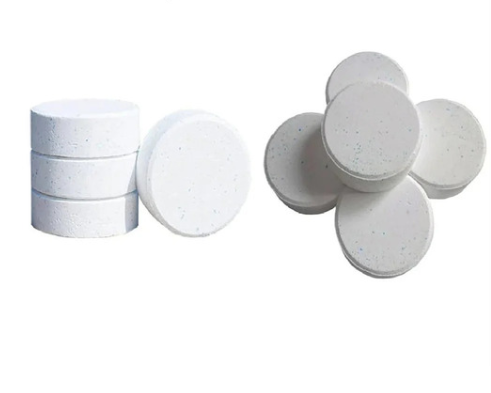
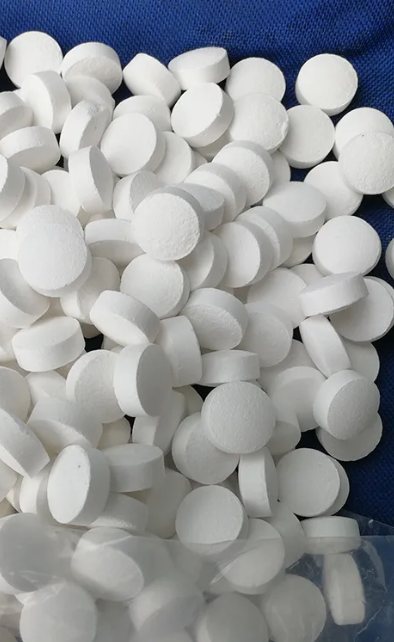
From a supply chain and field operations perspective, the innovative deployment of Tcca 90 Tablets correlates directly with a maximized return on investment (ROI). Unlike liquid sodium hypochlorite, which degrades rapidly during storage and transportation, or hazardous liquid chlorine gas that requires complex risk management, solid-form Tcca Chlorine boasts exceptional shelf-life stability and handling safety. In actual industrial water treatment plants, operators can move away from the labor-intensive routine of daily chemical mixing and manual dosing. By utilizing automatic chlorinators or erosion feeders, facilities can implement a seamless "set-and-forget" routine maintenance strategy. This uniform, continuous release of chlorine eliminates high-concentration chemical spikes, protecting expensive industrial piping and alloy valves from localized corrosion while drastically reducing ongoing labor overheads.
Furthermore, with global regulatory frameworks like EPA and NSF tightening their grip on industrial discharges and chemical compliance, verifying the purity and downstream impact of raw materials is mandatory for overseas buyers. High-purity Trichloroisocyanuric Acid Uses extended beyond simple pool sanitation into advanced industrial circuits because its final by-products, when adequately diluted in discharge streams, present no long-term bioaccumulation risks to biological treatment stages or receiving natural water bodies. For industries such as textile dyeing, pulp and paper manufacturing, and food processing, this predictable chemical behavior offers a reliable path to meeting strict ecological and environmental mandates.
In the fast-evolving landscape of global chemical distribution and B2B procurement, choosing the right water treatment agent is no longer just about buying active chlorine—it is about securing a system that balances operational efficiency, asset protection, and compliance. By unlocking the precision capabilities of high-grade organochlorine stabilizers in complex industrial ecosystems, global enterprises are successfully transitioning away from erratic, wasteful chemical dosing and moving toward a smarter, more sustainable era of industrial water management.