




How to Accurately Calculate Calcium Hypochlorite Dosage: A Practical Guide for Industrial Buyers
In modern water treatment, industrial bleaching, and large-scale disinfection, Calcium Hypochlorite has become the preferred choice for buyers and engineers worldwide due to its high available chlorine content and excellent stability. However, in practical applications, many companies frequently face the pain point of inaccurate dosing. Under-dosing leads to incomplete disinfection, affecting compliant discharge, while over-dosing significantly increases operational expenses and risks corroding piping networks.
To help buyers and site engineers achieve precise dosing while balancing efficacy and economic efficiency, this article provides a systematic breakdown of the dosage calculation logic for this vital chemical.
Key Factors Influencing Dosage
Before executing any formula, engineers must clarify three critical variables:
- Target Available Chlorine Concentration: Depending on the specific application—such as wastewater compliance, pool purification, or circulating water algae control—the required residual or initial shock concentration varies significantly.
- Volume of Water to be Treated: Typically measured in cubic meters (m³) or gallons.
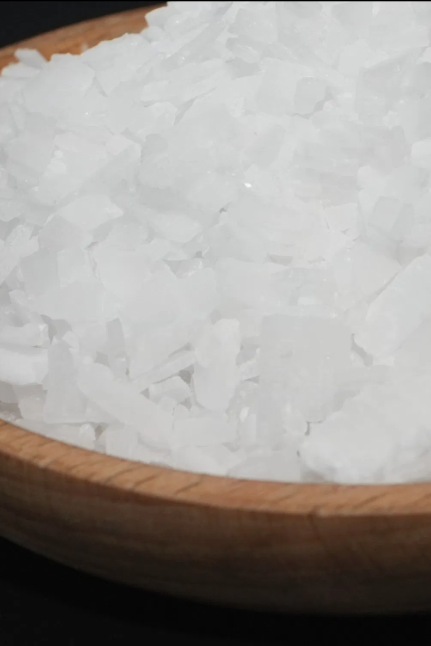
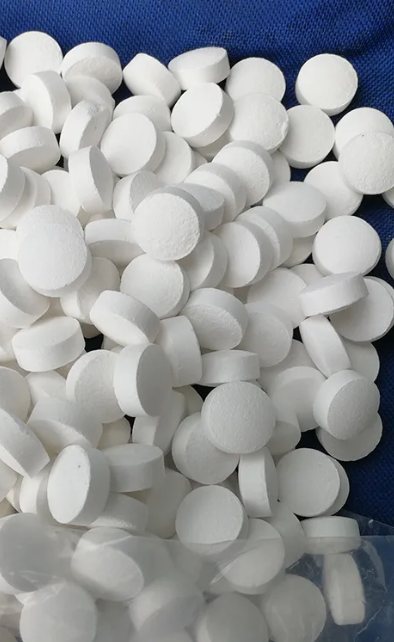
- Product Purity: Commercial industrial-grade options are usually supplied as Granular Calcium or powder, with available chlorine content generally ranging from 65% to 70%. This percentage must be factored into the equation rather than assuming 100% purity.
The Standard Dosage Formula
For most industrial water treatment scenarios or when performing a standard Cal Hypo Shock Treatment, the required quantity can be calculated using the following logical step:
Total Calcium Hypochlorite Required (grams) = [ Target Concentration (mg/L) × Water Volume (m³) ] ÷ Product Available Chlorine Percentage (%)
For example: Suppose a plant needs to conduct a thorough Shock With Calcium Hypochlorite on a 500 m³ industrial circulating water system. The target chlorine concentration is 10 mg/L, using granular calcium with a 65% available chlorine rating. The calculation: (10 × 500) ÷ 0.65 = 5,000 ÷ 0.65 ≈ 7,692 grams. Therefore, the site needs to dose approximately 7.69 kg of the product.
Practical Recommendations for Procurement and Operations
- Dynamic Adjustments: The above calculation yields a theoretical value. In real wastewater treatment, organic matter consumes a portion of the available chlorine. Engineers should regularly test for residual chlorine and fine-tune actual dosing based on water quality fluctuations.
- Dissolution and Feeding: As a strong oxidant, it is recommended to dissolve the granules into a uniform solution prior to injection, ensuring even distribution and preventing local over-concentration.
- Cost Optimization: Strict dosing control is the cornerstone of reducing a company's total Calcium Hypochlorite Cost. Establishing Standard Operating Procedures (SOPs) ensures both environmental compliance and eliminates the safety risks associated with excessive chemical warehousing.
As a professional chemical supplier, QDKEMDON (