



How to Choose the Right Sodium Hypochlorite Specifications for Industrial & Commercial Water Treatment: A Procurement & Application Guide
In the realm of modern industrial water treatment and sanitation, sodium hypochlorite remains a cornerstone element due to its exceptional broad-spectrum antimicrobial efficacy and cost-effectiveness. However, for many B2B buyers and field engineers, balancing purchasing costs, product concentration degradation, and regulatory compliance remains a complex challenge. This article dives into the core applications of sodium hypochlorite and provides a practical guide for sourcing and inventory management.
1. Concentration Breakdown: Industrial vs. Commercial Grade
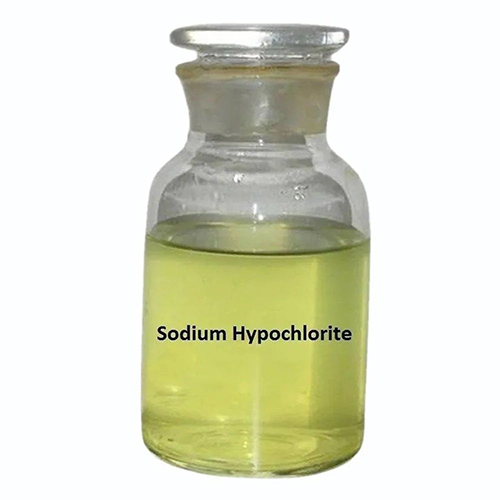
Sodium hypochlorite is primarily distributed as an aqueous solution. The available concentrations of available chlorine in the market generally fall into two categories:
- High-Concentration Industrial Grade (10% - 15%): Predominantly utilized in municipal waterworks, wastewater treatment plants, industrial cooling towers, and mass bleaching operations. Its primary advantage is high biocidal efficiency per unit volume, which significantly reduces bulk transportation costs.
- Low-Concentration Commercial Grade (3% - 6%): Frequently used for commercial facility sanitation, swimming pool treatment, and institutional laundry. This range offers higher handling safety and is much easier for front-line operators to dose without specialized heavy equipment.
2. Engineering Pain Points: Managing the Inherent Instability
While it is a highly effective Water Treatment Chemical, engineers constantly grapple with one major downside—degradation. Sodium hypochlorite is inherently unstable; exposure to UV light, elevated temperatures, and trace heavy metal ions will accelerate the decomposition of active chlorine.
Without proper management, a high-concentration bulk tank can degrade significantly within weeks, leading to under-dosing and failed sanitation targets. To counter this, experienced engineers recommend:
- Optimizing Sourcing Cycles: Shifting to a "just-in-time" or frequent small-batch replenishment strategy to prevent long-term storage losses.
- Upgrading Storage Environments: Utilizing opaque, corrosion-resistant tanks (such as PE or FRP) and maintaining a cool, well-ventilated containment area.
- Precision Dosing Control: When executing Water Disinfection processes, chemical feed pumps should be dynamically adjusted based on real-time residual chlorine readings to guarantee complete pathogen eradication without wasting chemical volume.
3. B2B Buying Strategy: Securing a Reliable Partner
For procurement managers, a successful Sodium Hypochlorite Purchase involves looking far beyond the initial price per metric ton. Long-term cost optimization depends on several critical supplier metrics:
- Logistical Reliability: As a hazardous chemical, liquid chlorine solutions are highly sensitive to transport bans, weather disruptions, and environmental controls. Partnering with a manufacturer that commands dedicated hazmat fleets ensures uninterrupted operations.
- Chemical Purity and Stability: Premium-grade manufacturers tightly control heavy metal impurities (such as iron, copper, and nickel) during production. Lower impurity levels directly translate to a slower degradation rate and reduce the risk of secondary scaling in your dosing lines.
- Regulatory and Certification Alignment: Ensuring your supplier holds valid manufacturing permits, safety data compliance, and proper certifications (such as EPA, NSF, or local equivalents) is vital to mitigate corporate compliance risks.
Conclusion
Navigating the procurement of sodium hypochlorite is both a technical task and a strategic management decision. By precisely matching solution strengths to specific applications, mastering onsite storage chemistry, and vetting compliant manufacturers, industrial operations can maximize Sodium Hypochlorite Bleach efficiency while securing stable, cost-effective, and safe facility operations.