

How to Scientifically Evaluate and Select Activated Carbon for Industrial Water Treatment and Gas Purification
In modern industrial wastewater treatment and waste gas abatement, activated carbon serves as a core material for enterprises striving to achieve strict emission compliance while optimizing operational costs. However, confronted with complex market specifications and technical parameters, many international buyers and plant engineers fall into common selection pitfalls: overemphasizing raw numerical values while overlooking actual operating conditions, leading to inflated operational costs or sub-optimal treatment performance.
With global environmental regulations (such as EPA standards and EU REACH compliance) becoming increasingly stringent, industrial procurement now demands maximum full-lifecycle cost-efficiency. This article provides a deep-dive analysis into the technical selection logic and practical application strategies for activated carbon.
1. Decoding Key Performance Metrics: Iodine Value, Pore Structure, and Mechanical Hardness
When buyers evaluate test reports, the most emphasized specification is usually the High Iodine Value. While iodine value is indeed a critical metric measuring micropore development and total surface area, it should never be the sole decision-making factor.
In real-world industrial environments, target molecules vary significantly in size. For instance, in gas phase purification or the removal of small trace organic compounds, High Iodine Value products with abundant micropores deliver outstanding adsorption kinetics. Conversely, in textile dyeing wastewater or high-COD industrial effluents, large macromolecular organics and color compounds predominate. Using a purely microporous carbon in these scenarios prevents large molecules from penetrating the internal pore structure, resulting in drastically reduced efficiency despite high laboratory iodine values.
Furthermore, for continuous Industrial Water Treatment Chemicals applications, mechanical hardness and attrition resistance directly dictate service life. Low-strength carbon breaks down easily during backwashing or high-velocity fluid flows, causing material loss, pipe blockages, and frequent equipment maintenance.
2. Selecting the Right Media: Granular, Coconut Shell, and Powdered Variants
Selecting the correct physical form and raw material matrix is vital for long-term operational stability:
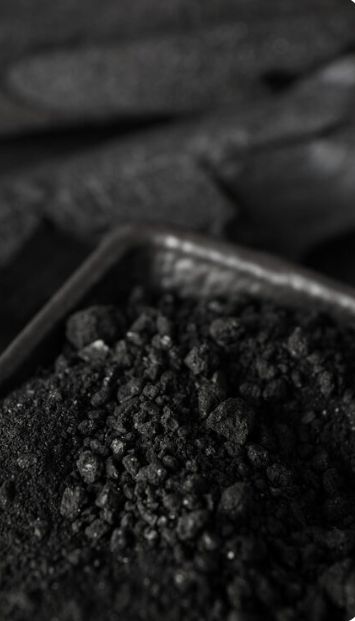
- Coconut Shell Activated Carbon: Known for its dense natural raw structure, high-temperature activation yields an exceptionally high surface area dominated by micropores, combined with superior mechanical strength. It represents the premier choice for high-purity drinking water purification, precious metal recovery, and ultra-clean gas polishing.
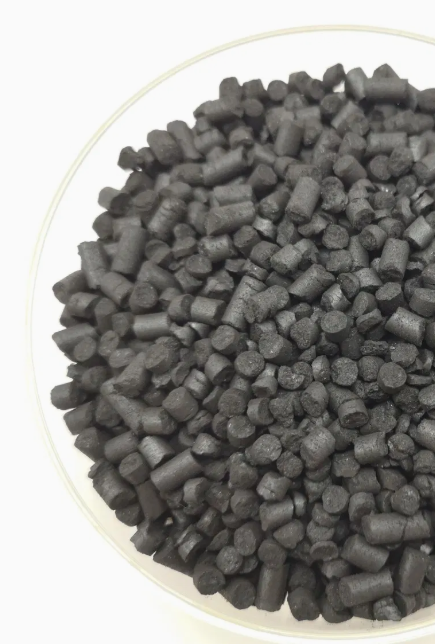
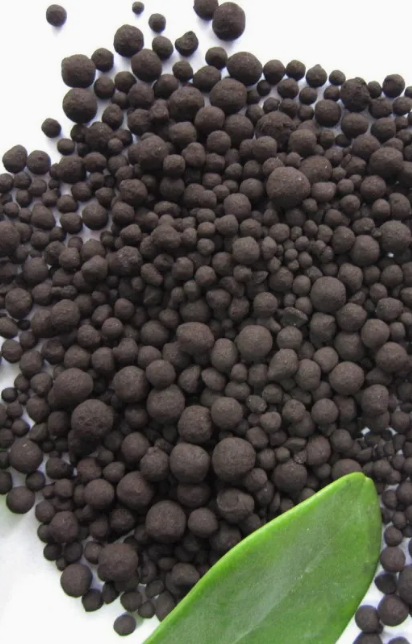
- Granular Activated Carbon (Coal-based Columnar/Granular): Featuring a well-developed mesopore and macropore distribution, low pressure drop, and high crush strength, this media is ideal for high-volume Air Purification Carbon systems, VOC emission control, and heavy-duty industrial wastewater loop filtration.
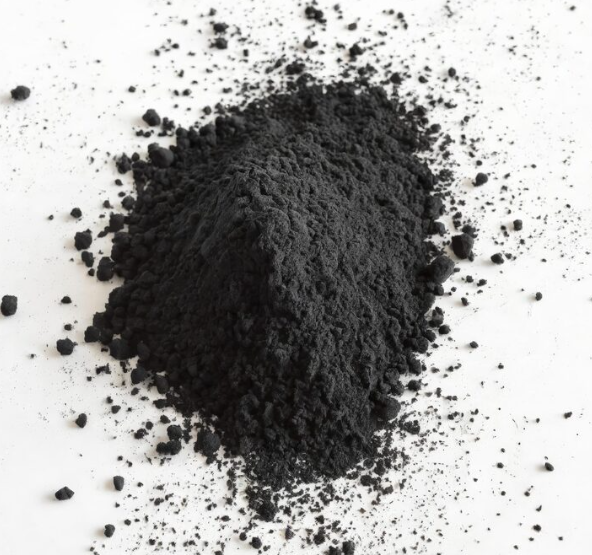
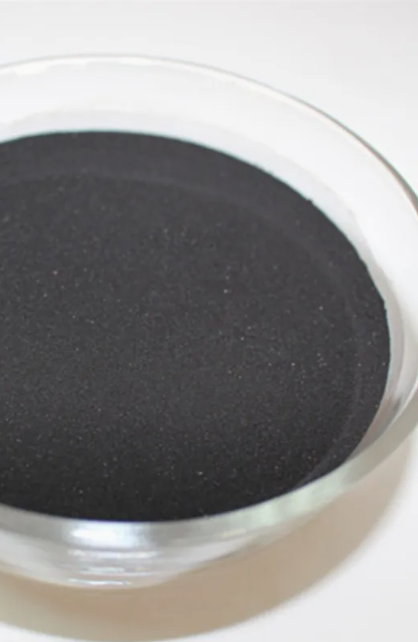
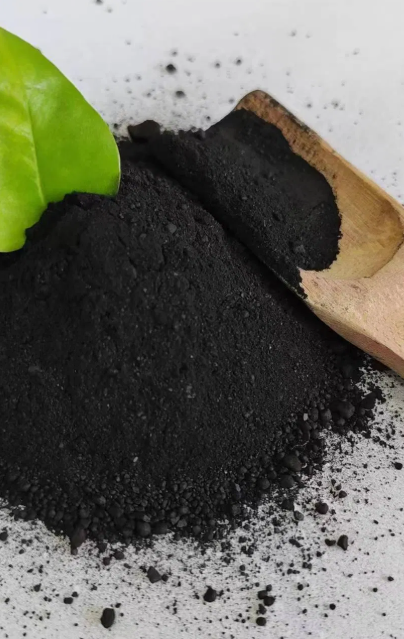
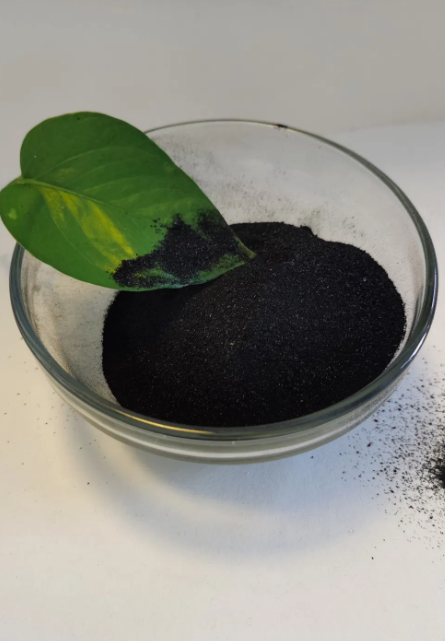
- Powdered Activated Carbon: Primarily deployed in batch processes or combined with coagulation/flocculation in Water Treatment Plant Chemicals setups. Its defining feature is rapid adsorption kinetics, allowing plant operators to quickly mitigate sudden organic surges, seasonal taste-and-order issues, or toxic chemical spills.
3. Compliance and Quality Control in Global Chemical Supply Chains
For chemical exporters and environmental media suppliers, compliance with international standards is essential for entering premium global supply chains. When sourcing material, procurement professionals should evaluate both technical parameters and strict quality management systems:
- International Standards: Media utilized in potable water and food-grade applications must strictly comply with NSF/ANSI 61 standards and EPA regulations to guarantee zero leaching of hazardous heavy metals.
- Maritime Transport Safety: Carbonaceous materials require proper classification under IMO Dangerous Goods regulations. Working with manufacturers that provide valid UN test certificates (verifying non-self-heating classification under UN 1362/UN 3190) prevents customs delays and unexpected demurrage costs.
Qingdao Kemdon is dedicated to providing global industrial clients with reliable, high-performance adsorption solutions. Through precise manufacturing control and stringent testing, we empower industries to optimize their Water Treatment and air purification operations, driving cost savings and sustainable environmental performance.