
How to Select High-Purity Sodium Humate to Optimize Aquaculture and Soil Amendment Benefits
I. Introduction: Core Pain Points in Modern Industrial and Agricultural Procurement
In today's global context of pursuing green, eco-friendly, and sustainable development, international buyers and process engineers are facing increasingly stringent standards in selecting chemical raw materials. How to significantly enhance practical application efficacy while reducing production costs remains a central pain point in B2B procurement. As a highly active, multi-functional natural organic porous substance, Sodium Humate is shining across multiple fields such as aquaculture, agricultural soil amendment, and industrial wastewater treatment, becoming a star product on global bulk chemical procurement lists due to its unique physicochemical properties.
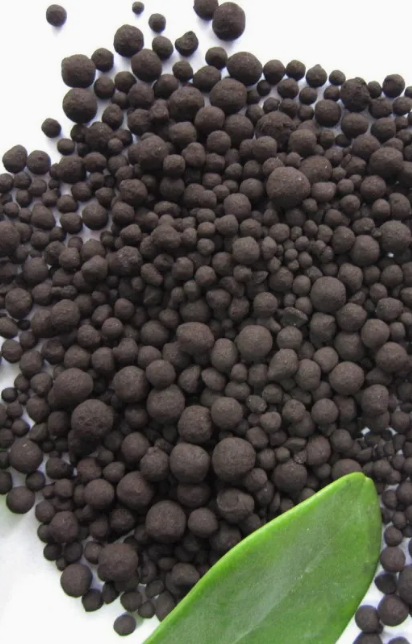
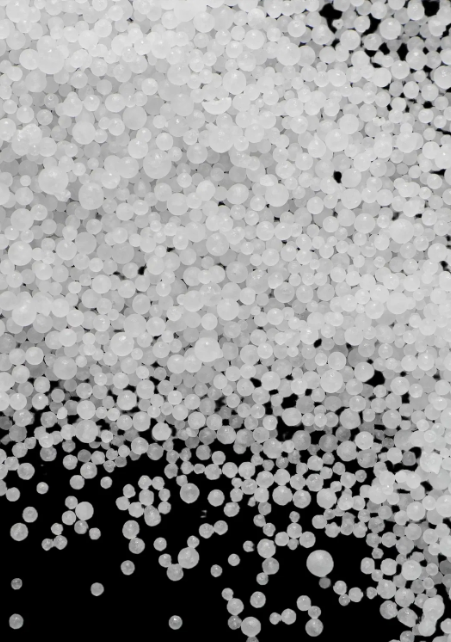
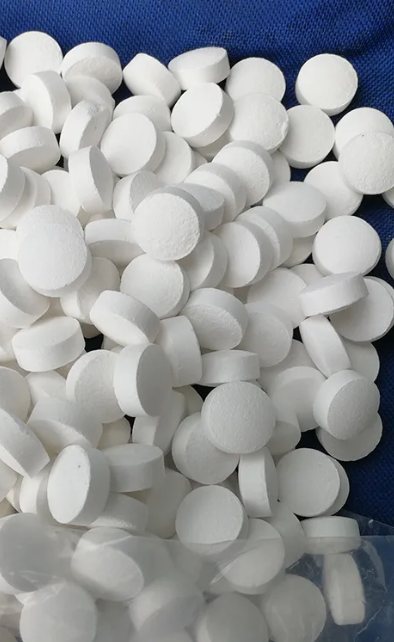
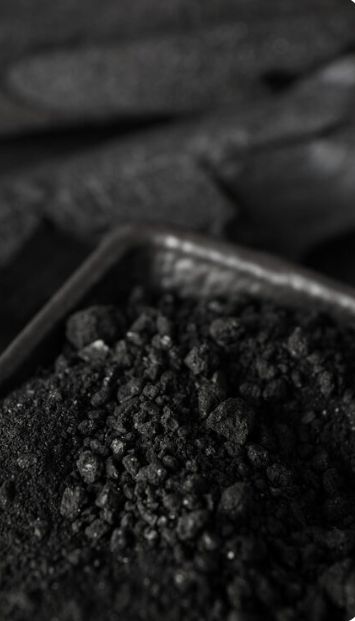
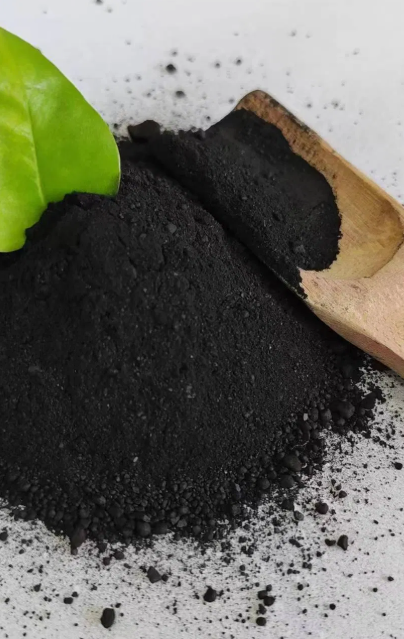
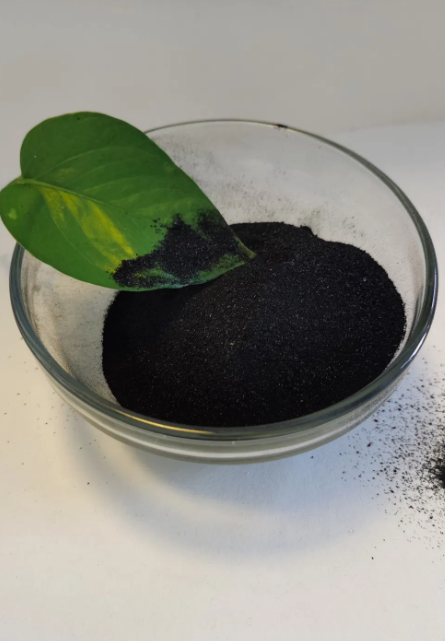
However, faced with varying purities, diverse physical forms (powder, granular, flake), and complex specification indicators in the international market, knowing how to conduct an objective quality evaluation and precisely select the product that best fits specific industrial needs directly determines the final ROI (Return on Investment) and ecological benefits of the end project.
II. The "Protective Umbrella" in Aquaculture: All-Round Water Quality Management and Ecological Optimization
For experienced aquaculture engineers, even minor fluctuations in pond water quality can trigger a chain reaction, directly affecting the feeding rates and survival of shrimp, crabs, and high-value fish. In the later stages of intensive farming, the accumulation of residual feed and the decomposition of excrement easily lead to excessive levels of ammonia nitrogen, nitrites, and heavy metal ions in the water.
In this scenario, high-quality sodium humate primarily plays the role of an efficient Aquaculture Water Conditioner. Its molecular structure is rich in active functional groups such as carboxyl and hydroxyl groups. Acting like powerful adsorbents, these functional groups can effectively lock up free heavy metal ions (such as copper, cadmium, lead, etc.) in the water through ion exchange and chelation, thereby significantly reducing heavy metal toxicity to aquatic life.
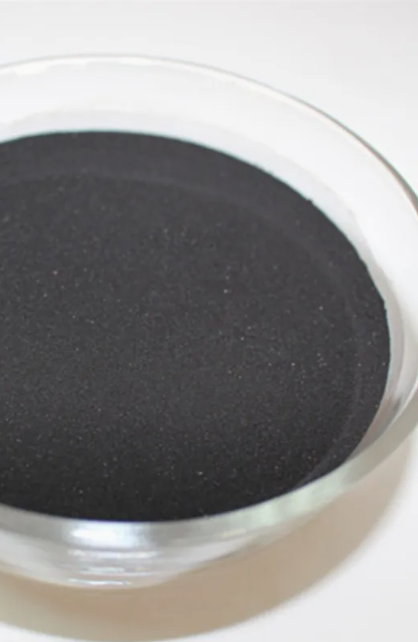
Meanwhile, it serves as an excellent expert for Pond Water Treatment. On one hand, the natural deep brown or black color presented after dissolving sodium humate in water creates a physical shading effect, reasonably limiting direct sunlight to the pond bottom. This "shading effect" efficiently suppresses the excessive photosynthesis and rampant breeding of moss and harmful algae, preventing them from competing for water nutrients. On the other hand, it possesses great physical adsorption and suspended solids sedimentation functions, which can rapidly purify turbid pond water, adsorb harmful gases and organic debris, and create a healthy, stable growth environment for bottom-dwelling aquatic animals like shrimp. It is an indispensable green additive in modern high-density farming.
III. The "Activator" of Land Fertility: Long-Term Soil Amendment and Nutrient Locking
In addition to its outstanding performance in the aquatic sector, sodium humate also demonstrates immense economic value in modern agricultural applications, being internationally recognized as a premium Soil Amendment. Long-term excessive use of chemical fertilizers often leads to soil compaction, increased salinization, and a severe lack of organic matter—puzzles that cause headaches for countless agricultural project engineers.
When highly active sodium humate is applied to the soil, it can combine with calcium, magnesium, and other ions in the soil to promote the formation of soil aggregate structures. This loose, porous structure not only enhances soil permeability and water retention capacity but also effectively regulates soil pH levels, buffering drastic acid-base shifts caused by fertilizer application.
More importantly, it functions as a "nutrient reservoir." Sodium humate can stabilize free nutritional elements like nitrogen, phosphorus, and potassium, reducing their leaching with rainwater or irrigation water, and achieving a slow, continuous release during crop growth. This not only drastically improves fertilizer utilization efficiency but also fundamentally optimizes the crop root growth environment, achieving the green agricultural goal of improving quality and increasing yield.
IV. Conclusion: Choose Kemdon, Partnering for Global Green Business Opportunities
In summary, whether in water purification or soil amendment applications, the actual efficacy of sodium humate is closely related to its purity, dissolution speed, and heavy metal control levels. As a professional team deeply rooted in the chemical export field, Qingdao Kemdon (
We are dedicated to providing global clients with premium humate series products from industrial to feed grades, featuring strict specifications and stable quality. We rigorously control every process from the raw material source to the product departure from the port, ensuring that our products reach industry-leading levels in water solubility, adsorption value, and heavy metal compliance (strictly meeting international environmental and safety standards). Choosing Kemdon is not just choosing a cost-effective product, but selecting a long-term strategic partner willing to continuously deliver deep industry insights, technical support, and flawless supply chain services. Let us join hands to maintain an absolute competitive edge in the international green trade market!