




The Strategic Role of High-Purity Disinfectants in Global Industrial Safety
In the current global landscape of 2026, the demand for clean water and biosecurity has moved from a basic operational requirement to a strategic priority. For procurement managers and industrial engineers, the challenge isn't just finding a sanitizer; it’s about sourcing a solution that offers stability, potency, and cost-efficiency. This is why Trichloroisocyanuric Acid remains the most discussed and utilized organic chlorine carrier in the international market today.
Engineering Consistency: The Tablet Advantage
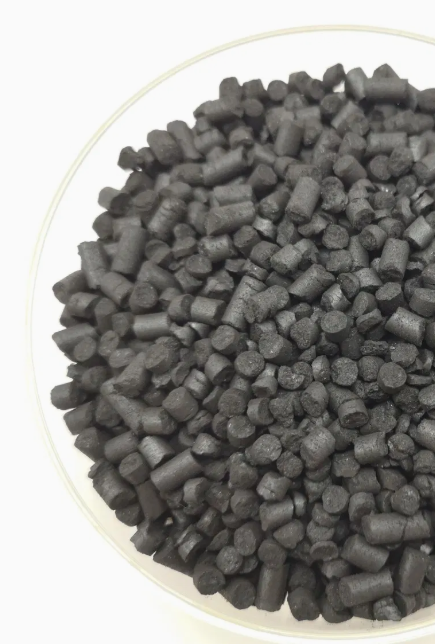
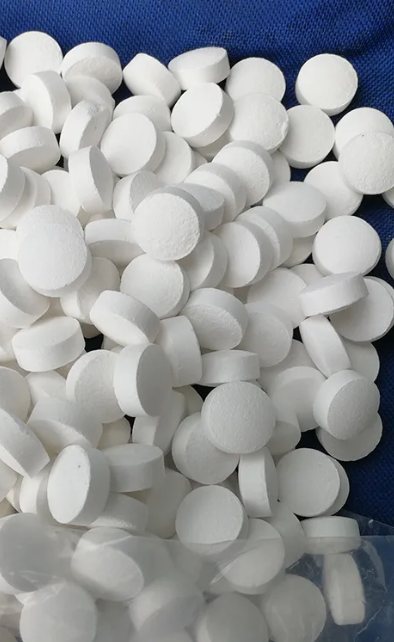
The technical conversation around disinfection often centers on the "half-life" of active chlorine. Traditional liquid bleach or low-grade powders often suffer from rapid degradation, leading to inconsistent water quality. However, the adoption of Tcca Tablets has revolutionized this process. By utilizing high-pressure compaction technology, these tablets offer a predictable dissolution rate that matches the flow requirements of large-scale water systems.
For a facility manager, this means the difference between constant manual monitoring and an automated, "set-and-forget" disinfection cycle. This level of precision is not just a luxury; it is a fundamental requirement for maintaining the structural integrity of cooling towers and ensuring the safety of public aquatic centers.
Versatility Beyond Sanitation: A Multi-Industry Pillar
When we analyze the broad spectrum of Tcca 90 Uses, it becomes clear that this chemical is a multi-industry pillar. While many recognize it as a pool chemical, its high oxidation potential makes it indispensable in sectors that require rigorous sterilization. In the textile industry, it serves as a high-efficiency bleaching agent that minimizes fiber damage compared to harsher alternatives. In agriculture, it acts as a critical safeguard for seed treatment and soil disinfection, preventing the spread of soil-borne pathogens.
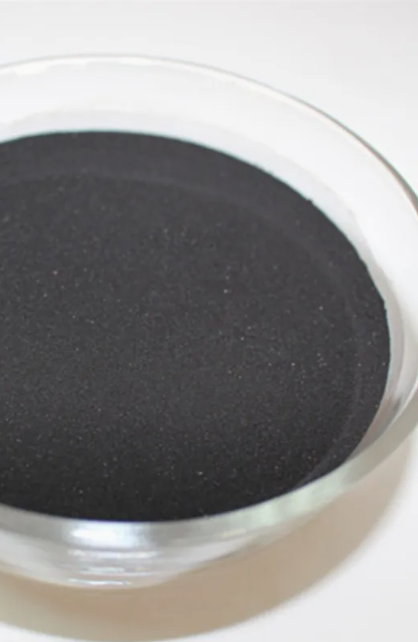
Furthermore, the fast-dissolving and slow-dissolving variations allow for customization based on the specific contact time required for different industrial processes. This adaptability is what keeps the global demand for 90% concentration chlorine products consistently high year after year.
Chemical Stability and Logistics: The Symclosene Standard
From a trade and logistics perspective, the primary concern for any bulk importer is "potency upon arrival." Symclosene Trichloroisocyanuric Acid stands out due to its superior molecular stability. Unlike hypochlorite solutions which lose strength almost immediately upon exposure to heat or light, this compound remains stable during long-distance maritime transit.
This stability is a game-changer for distributors in tropical climates or regions with complex supply chains. By reducing the chemical loss during transport and storage, companies can significantly lower their operational overhead and guarantee a reliable product to the end-user. It is this marriage of advanced chemistry and practical logistics that defines the modern standard for water treatment chemicals.
Conclusion: The Future of Responsible Chemistry
As industrial standards continue to tighten globally, the focus is shifting toward chemicals that are not only powerful but also manageable and safe to handle. The continued evolution of high-quality TCCA production reflects a commitment to these standards. By choosing high-purity sources, industries are investing in a future where clean water and safe environments are maintained with maximum efficiency and minimum waste.