
In-Depth Analysis: Selection Strategies and Cost-Efficiency of Granular vs. Powdered Media in Industrial Purification
As global environmental regulations become increasingly stringent and the demand for advanced industrial water treatment and gas purification escalates, selecting cost-effective adsorption materials tailored to specific process requirements has become a pivotal decision for plant operators and environmental engineers. Among the vast array of industrial purification materials, activated carbon remains a cornerstone due to its exceptional microporous structure and high-capacity adsorption capabilities. However, faced with various physical forms on the market, purchasers often struggle to determine whether granular or powdered media best suits their operational needs. This article provides a comprehensive evaluation of selection parameters across four key dimensions: working mechanisms, process suitability, regenerability, and total operating costs.
Fundamental Differences in Dynamics and Physical Characteristics
While both granular and powdered forms undergo specialized activation processes to achieve remarkably high surface areas, their particle size distributions strictly dictate their kinetic behavior in real-world applications.
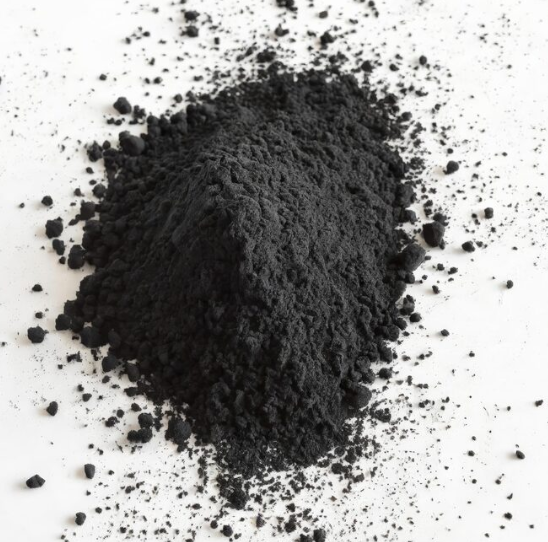
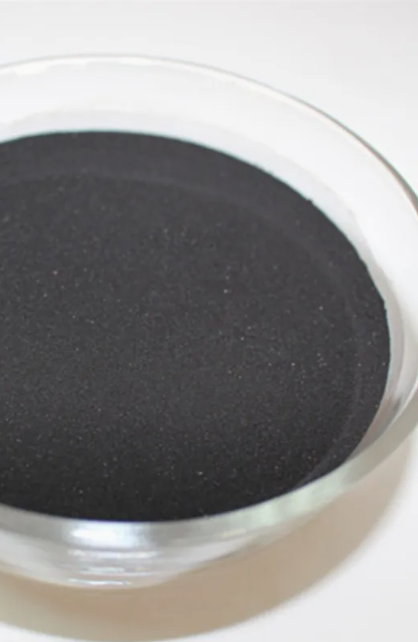
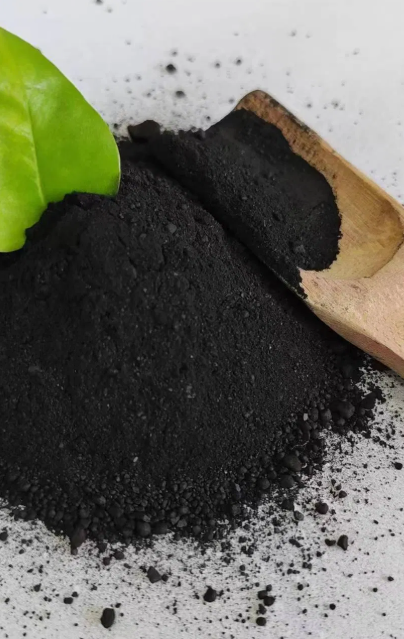
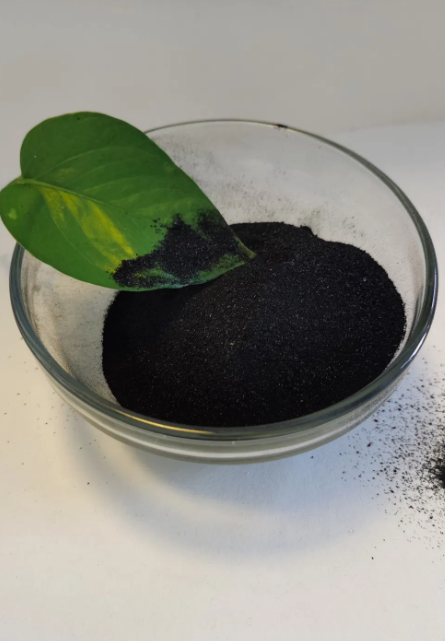
Powdered materials consist of extremely fine particles, typically under 100 microns. This ultra-fine dimension provides an immense external contact surface area, allowing immediate interaction with contaminants in liquid streams. For systems that require rapid pollutant reduction, emergency response to sudden water quality deterioration, or seasonal organic surges, fine powdered solutions deliver unparalleled response speed.
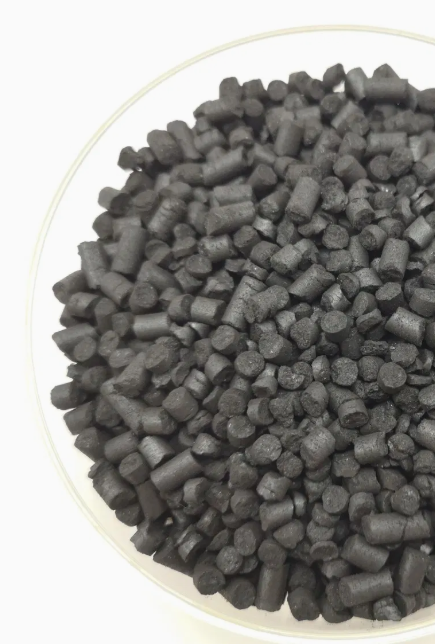
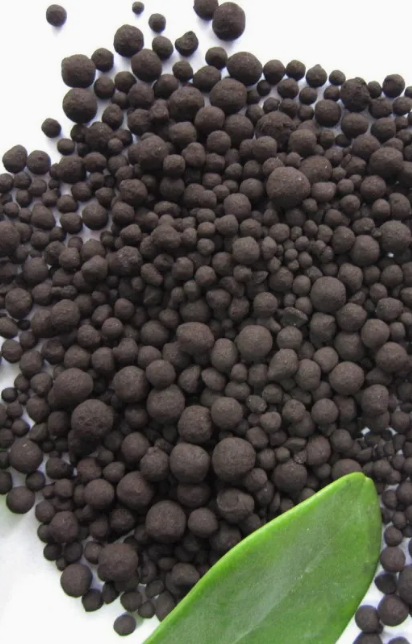
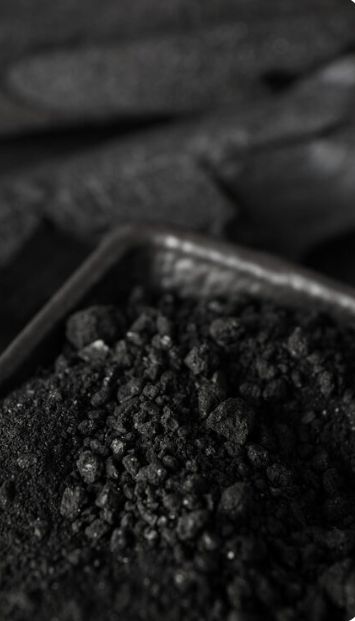
On the other hand, Granular Activated Carbon features structured or irregular particles ranging from hundreds of microns to several millimeters. The core advantage of this form lies not in immediate velocity, but in robust mechanical strength and suitability for fixed-bed systems. In continuous flow filtration towers, granular media maintains uniform fluid or gas flow channels, resists clogging, and delivers steady, long-term deep purification performance.
Application Scenarios in Water and Air Treatment
In modern industrial facilities, the underlying process architecture usually determines the ideal media configuration.
For batch reaction tanks or emergency intervention units, Powdered Activated Carbon serves as an exceptionally effective option. Directly injected into mixing basins, it rapidly disperses to adsorb taste, odor compounds, trace organics, or heavy metal ions, followed by separation through coagulation, sedimentation, or membrane filtration. This approach eliminates the need for expensive capital expenditure on permanent adsorption columns, providing dynamic flexibility with low initial setup costs.
Conversely, for large-scale continuous municipal or industrial facilities, Granular Activated Carbon is the industry benchmark. Packed into fixed-bed columns, water flows continuously through the media bed. Utilizing products with a High Iodine Value, plants can consistently strip recalcitrant organic molecules, synthetic chemicals, and residual disinfectants. Furthermore, for gas-phase application and Air Purification Carbon systems, granular structures dominate the market due to low pressure drop, resistance to attrition, and superior capability under high velocity airflow conditions.
Economic Viability, Regenerability, and Long-Term Lifecycle Costs
Relying solely on upfront purchasing price often leads to miscalculated procurement budgets. Establishing a total cost of ownership model is essential for engineering and procurement teams.
Powdered options generally operate on a single-use basis. Once exhausted, the media becomes integrated into wastewater sludge and must be disposed of as industrial waste. Consequently, while the initial purchase price per ton may appear lower, ongoing disposal expenses and lack of reusability make it best suited for periodic or low-volume demands.
In contrast, while granular media requires a higher initial investment in column infrastructure and material procurement, its high mechanical hardness allows it to withstand multiple thermal reactivation cycles. Spent granular media can be processed in thermal regeneration kilns to burn off adsorbed organics, restoring a substantial percentage of its original adsorption capacity. For continuous industrial operations, this recyclability drastically reduces long-term operational expenditure over a multi-year horizon, proving to be the more sustainable and economic choice.
Conclusion and Implementation Insights
Deciding between granular and powdered forms is not a matter of finding a superior product, but rather aligning material characteristics with operational reality. If your facility demands fast-acting intervention, flexible batch dosing, or minimal initial capital commitment, fine powdered media delivers optimal agility. If your objective centers on long-term continuous operation, strict effluent standards, and minimal lifecycle costs, high-durability granular media remains the definitive choice. Collaborating closely with technical experts to evaluate flow rates, contaminant profiles, and thermal options will ensure both regulatory compliance and cost efficiency.