



In-Depth Analysis: Why Do Outdoor Water Systems Struggle to Retain Free Chlorine? How Cyanuric Acid Dictates Cost Reduction for Global Buyers via Photodegradation Mitigation
In the realm of industrial water treatment, landscape water maintenance, and large-scale outdoor commercial swimming pool operations, international procurement managers and water treatment engineers consistently face a critical technical bottleneck. Even when high-spectrum disinfectants such as TCCA or SDIC are dosed strictly in accordance with operational protocols, the free residual chlorine levels in the water still crash drastically within a few hours of intense sunlight exposure. This phenomenon triggers rapid water quality degradation and massive algae blooms, forcing field operators to frequently and excessively re-dose chemicals. Consequently, this disrupts the water's chemical equilibrium and drives corporate operational costs and logistical procurement budgets exponentially higher.
To eliminate this persistent industry pain point, it is vital to first understand the chemical mechanism of UV-induced chlorine degradation. In an unprotected aquatic environment, ultraviolet radiation from sunlight acts as a potent catalyst, rapidly decomposing hypochlorite ions into hydrochloric acid and oxygen. According to authoritative industry testing, under peak summer midday sunlight, over 90% of free available chlorine in outdoor water can be completely destroyed in less than two hours. This staggering rate of consumption renders conventional disinfection highly inefficient. To break this vicious cycle of excessive consumption and ballooning costs, incorporating a premium Chlorine Stabilizer into the water treatment regimen is recognized worldwide as the most economically viable solution.
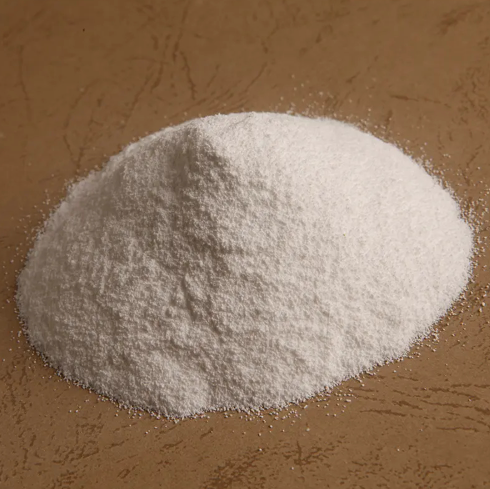
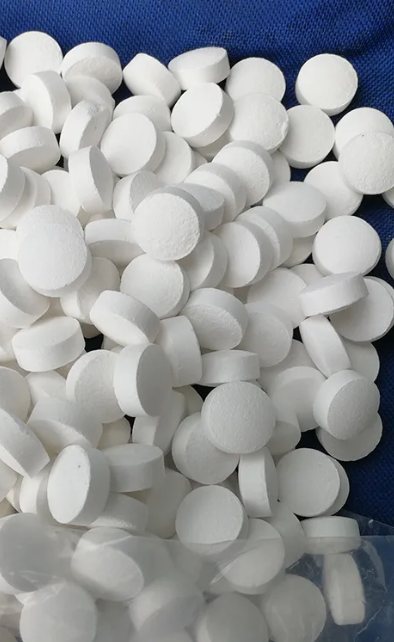
As a flagship molecule in the water treatment industry, Cyanuric acid—frequently marketed and referred to in standard commercial trade as a Pool Stabilizer—serves as the definitive molecular shield against this solar photolysis.
From a micro-chemical perspective, its working mechanism is exceptionally elegant. Once dissolved in water, its unique cyclic triazine structure forms a weak, stable, and completely reversible chemical bond with free chlorine molecules. This temporary linkage functions precisely like a microscopic "sunscreen" for each chlorine atom, effectively absorbing and deflecting the energy of UV rays, thereby preventing the photolytic breakdown. Remarkably, this bond does not compromise the core biocidal efficacy of the disinfectant. The moment bacteria, viruses, or organic contaminants enter the water matrix, this weak chemical bond instantly and responsively breaks, releasing highly oxidative free chlorine to perform sanitation. Once the contaminants are neutralized, the remaining chlorine continues to be shielded by the stabilizer.
From the standpoint of financial operations and supply chain management, the strategic deployment of this stabilizer delivers an extraordinary return on investment (ROI). Empirical field data demonstrates that when the stabilizer concentration in the water reaches a scientifically balanced equilibrium (typically between 30 and 50 ppm), the half-life of free chlorine under direct sunlight is extended several times over. For an outdoor water asset with a massive daily throughput, this single technical optimization can directly slash your procurement budget for primary disinfectants by over two-thirds. Simultaneously, it drastically minimizes the labor costs associated with continuous manual dosing and relieves significant warehousing and logistics pressures.
Furthermore, for professional buyers in the global chemical sector, the strategic value of this product extends far beyond end-use water maintenance. It holds a pivotal position in the fine chemical value chain as the essential foundational feedstock for synthesizing premium downstream slow-release disinfectants and bleaching agents, acting as a critical TCCA Intermediate widely utilized across global manufacturing hubs. Consequently, sourcing a raw material at the origin that boasts exceptional purity, superior water solubility, and negligible heavy metal or moisture residues is paramount. It not only dictates the market competitiveness of the finished downstream products but also directly influences the conversion yield and operational safety of chemical reactors.
In conclusion, for global procurement specialists and industrial engineers, blindly amplifying the dosage of primary disinfectants to counter sunlight degradation is a costly misconception that addresses only the symptoms while potentially inducing acidity and equipment corrosion. Strategically auditing your water chemistry and maintaining the stabilizer within its optimal technical threshold represents the only definitive path toward low-cost, long-lasting, and eco-friendly sanitation. Qingdao Kemdon is thoroughly dedicated to delivering high-purity, high-consistency water treatment solutions to our partners worldwide. We don't just supply chemicals; we empower you to optimize your supply chain structure, ensuring flawless water safety while driving genuine, sustainable cost reductions.