

Industrial Water Treatment and High-Standard Disinfection: How to Select the Right Purity of Sodium Hypochlorite for Your Enterprise?
In modern industrial manufacturing, municipal water treatment, and large-scale commercial cleaning sectors, finding a chemical disinfectant that balances high efficiency with cost-effectiveness is a perpetual challenge for procurement managers and systems engineers. As global environmental compliance and water quality safety standards become increasingly stringent, sodium hypochlorite, a classic oxidizing biocide, has once again become the focal point of the industrial sector. However, faced with a dazzling array of suppliers and varying product specifications in the market, B2B buyers often fall into a selection dilemma: What concentration do we actually need? How do we evaluate the hidden costs in procurement?
1. Deep Analysis: Why Sodium Hypochlorite is an Irreplaceable Core in Industrial Water Treatment?
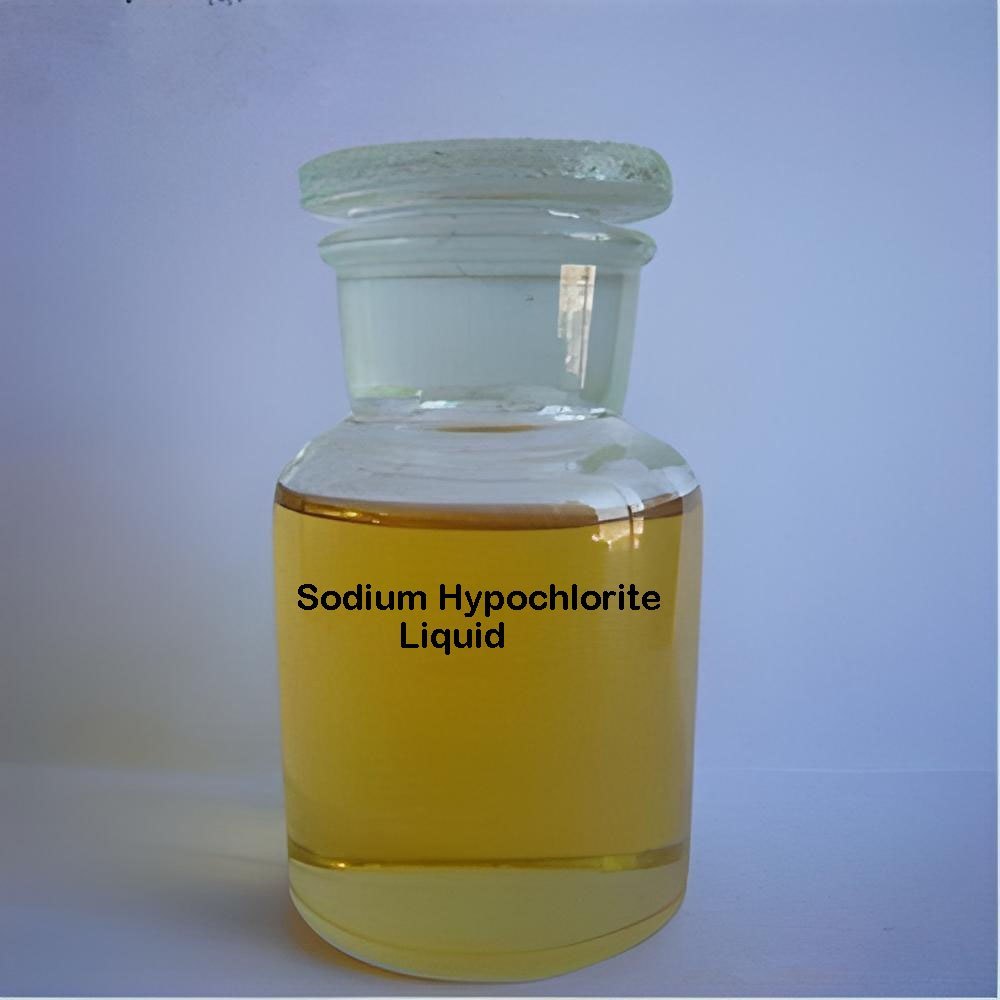
In wastewater treatment, circulating cooling water systems, and drinking water purification processes, microbial control is the most critical link. When dissolved in water, sodium hypochlorite hydrolyzes rapidly to form hypochlorous acid (HClO), which possesses powerful oxidizing properties. This active component easily penetrates the cell membranes of bacteria, viruses, and algae, destroying their enzyme systems and DNA, thereby achieving thorough sterilization.
Compared to chlorine gas, the greatest advantage of this Water Treatment Chemical lies in its "safety." Chlorine gas is a highly toxic gas whose storage, transportation, and utilization require top-tier explosion-proof and leak-proof facilities, along with extremely tedious regulatory approval procedures. In contrast, liquid sodium hypochlorite is relatively stable, significantly reducing operational risks. This not only cuts down an enterprise's safety compliance costs but also substantially lowers the difficulty of on-site engineering operation and maintenance.
2. Procurement Pain Points: How to Choose Specifications Based on Actual Application Scenarios?
In the actual procurement process, the most common mistake made by engineers and buyers is "looking only at the price per ton, while ignoring the available chlorine content." Generally, the Sodium Hypochlorite available on the market is divided into the following major specifications:
- Industrial Grade High Concentration (10% - 15% Available Chlorine): This is the mainstream specification for bulk B2B procurement, widely used in large-scale water plants, textile dyeing wastewater treatment, and power plant circulating water systems. Its advantage lies in lower transportation costs (the most cost-effective freight per unit of active ingredient), but the disadvantage is that high-concentration liquids degrade faster and are not suitable for long-term storage.
- Commercial/Low Concentration (5% - 8% Available Chlorine): This grade is primarily utilized for centralized cleaning in large commercial facilities and equipment disinfection in food processing plants. These products offer better stability and are well-suited for short- to medium-term inventory management.
When designing dosing systems, engineers must take the natural degradation characteristics of the chemical into account. Temperature, sunlight, and heavy metal ions all accelerate its decomposition. Therefore, a premium supplier does not just deliver a product; they provide logistics preservation solutions and shading storage tank recommendations to ensure that the product maintains its standard available chlorine concentration upon arrival at the factory.
3. Compliance and Supply Chain: Key Factors for High-Standard Procurement
For B2B buyers seeking long-term cooperation, compliance is an absolute baseline. In international trade, exporting this chemical requires strict adherence to the packaging mandates of the International Maritime Dangerous Goods (IMDG) Code, and products often need to pass relevant international safety and environmental certifications.
Choosing a partner with comprehensive supply chain management and quality control experience ensures that every batch of your Sodium Hypochlorite Purchase reaches top industry standards in terms of concentration stability, free alkali control, and heavy metal impurity residue. This ultimately prevents the risk of water treatment system effluent exceeding regulatory limits due to raw material fluctuations.