



Industrial Water Treatment Decision: Why More Buyers are Switching from Liquid Bleach to TCCA Granules?
In the realm of modern industrial water treatment and large-scale pool disinfection, choosing the right biocidal agent is not just about water quality—it directly impacts operational costs and supply chain security. For years, Sodium Hypochlorite (Liquid Bleach) has been widely used due to its low initial purchase price. However, with global chemical logistics regulations becoming stricter and a growing focus on long-term economic efficiency, more overseas buyers and water treatment engineers are shifting their focus to Trichloroisocyanuric Acid (TCCA).
1. The Battle of Stability and Shelf Life
For international buyers, the "effective lifespan" of a chemical is a critical factor.
- Sodium Hypochlorite: As a liquid, it is highly unstable. During transit and storage, its available chlorine degrades rapidly due to light and temperature exposure. This means you might pay full price for a product that loses significant potency by the time it reaches the end-user.
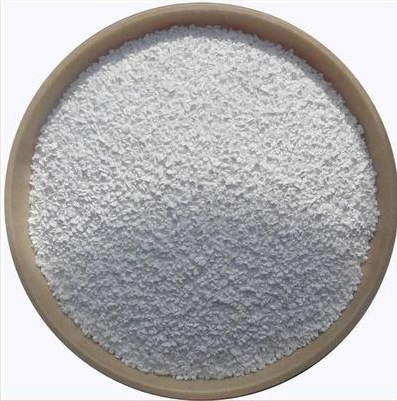
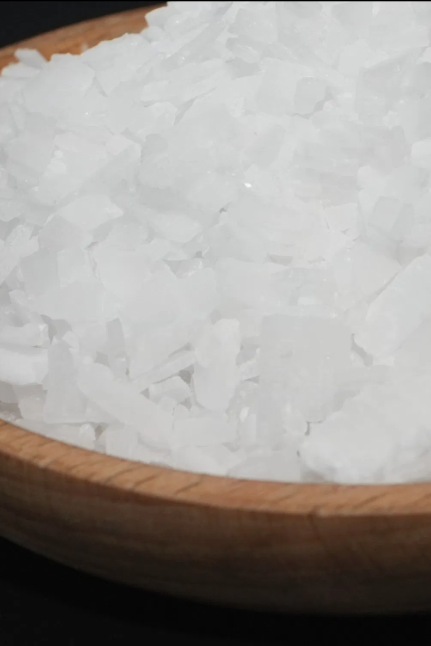
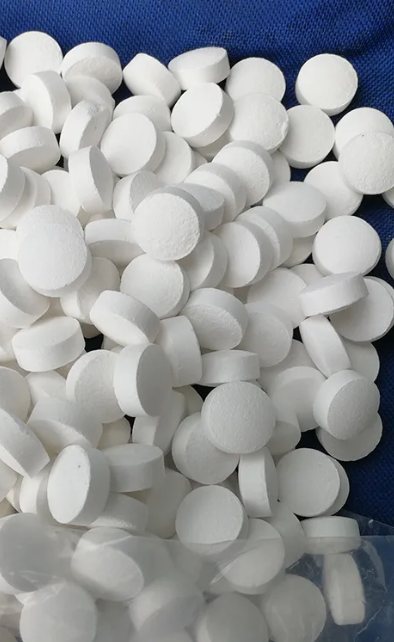
- TCCA Granules/Tablets: TCCA boasts exceptional chemical stability. Under normal storage conditions, its available chlorine loss is minimal. This allows buyers to make strategic bulk purchases without the anxiety of inventory expiration.
2. Real Cost Accounting: Freight vs. Efficiency
Many novice buyers are misled by the low per-ton price of liquid bleach, overlooking the hidden cost of transporting "water." Liquid bleach contains a high percentage of water, meaning you are paying hefty international ocean freight charges just to move liquid weight. Conversely, TCCA features an available chlorine content of up to 90%. This high concentration translates to a smaller volume and lighter weight, drastically reducing the cross-border logistics cost per kilogram of active chlorine. Furthermore, solid TCCA requires far less warehouse space than bulky liquid tanks.
3. Maritime Compliance and Safe Handling
As hazardous chemicals, shipping compliance is the lifeline for both chemical exporters and importers. Liquid sodium hypochlorite is highly corrosive, making leakages inside closed containers a nightmare to manage. While TCCA is also classified as a dangerous good (UN 2468), its solid form allows for much safer and more robust packaging (such as plastic drums or big bags). This aligns seamlessly with the latest IMDG regulations, significantly lowering risks during customs clearance and port handling.
Conclusion
For global engineers and purchasing managers seeking long-term, stable, and highly efficient supply chains, upgrading from liquid bleach to TCCA is a smart investment that reduces overall operational costs. As a professional water treatment chemical supplier, we provide not only high-purity TCCA products but also comprehensive EPA/NSF-compliant documentation and secure hazardous cargo logistics solutions.