



Industrial & Water Treatment Guide: Efficiently and Safely Using Calcium Hypochlorite for Water Disinfection and Industrial Bleaching
Introduction
In modern industry, municipal water supply, and large-scale water disinfection, efficient and stable disinfectants are essential for ensuring production safety and public health. As a leading chemical supplier, Qingdao Kemdon (
Core Applications and Product Characteristics
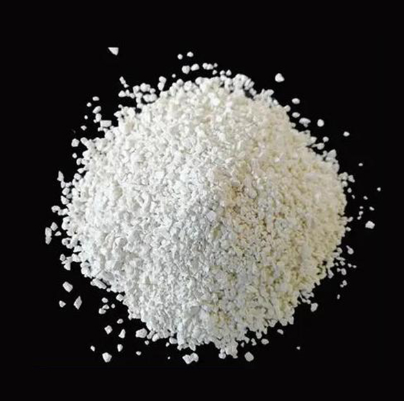
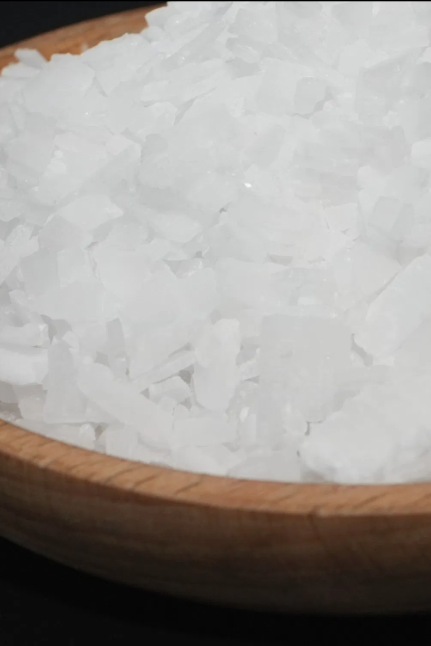
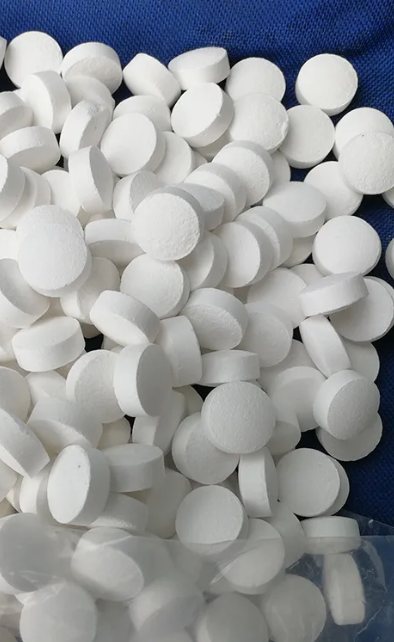
Calcium Hypochlorite plays a pivotal role in industrial water treatment, swimming pool disinfection, textile dyeing, and pulp bleaching. It usually exists in the form of Calcium Hypochlorite Bleaching Powder or Granular Calcium, featuring powerful oxidizing property and broad-spectrum bactericidal capability.
For engineers managing large industrial wastewater treatment systems or municipal water plants, the primary reason to choose this material is its high available chlorine content and convenience for long-term storage. Upon mixing with water, it rapidly releases hypochlorous acid, a strong oxidizer that swiftly destroys the cellular structures of bacteria, viruses, and algae. This characteristic makes it not only suitable for routine maintenance but also highly effective as a Cal Hypo Shock Treatment when water quality severely deteriorates, restoring water quality to safe, compliant metrics within a very short timeframe.
Dosage Logic and Scientific Preparation Methods
In practical engineering applications, buyers and technical personnel often face the challenge of accurately calculating chemical dosage. Although initial water quality, organic load, and target residual chlorine requirements vary across different systems, the process always follows a scientific concentration balance logic.
First, technicians need to clarify the total water volume of the system and the currently measured initial residual chlorine level. When executing deep disinfection, the goal is to bring the available chlorine concentration in the water body to a predetermined level within a specific timeframe. In actual preparation, operators usually completely dissolve the Hypochlorite Powder in a dedicated mixing tank to create a clear mother liquor of a certain concentration, which is then evenly dosed into the main pipeline or reaction tank via a metering pump.
To prevent equipment corrosion caused by excessively high local concentrations, or disinfection failure due to under-dosing, engineers must closely monitor the free residual chlorine downstream of the injection point. By regularly taking water samples and using professional colorimeters or automatic sensors for detection, the flow rate of the metering pump can be dynamically adjusted. This real-time, data-driven adjustment approach maximizes savings on chemical procurement costs while ensuring that the effluent water quality perfectly meets environmental discharge or recycling standards.
Global Shipping Regulations and Supply Chain Compliance
As a typical strong oxidizer, Calcium Hypochlorite is strictly classified as a hazardous chemical in international trade (usually Class 5.1 hazardous goods, UN 1748 or UN 2880). In recent years, major global shipping lines and the International Maritime Organization (IMO) have imposed more stringent specifications on the booking, packaging, stuffing, and stowage of such dangerous goods.
For overseas buyers, choosing a supplier familiar with international maritime dangerous goods regulations and possessing complete export qualifications is critical. Compliant goods must be packed in UN-standard packaging (UN drums or UN bags) before leaving the factory, with excellent sealing to prevent moisture ingress. During maritime transit, container temperature control and ventilation are crucial; direct sunlight and high-temperature environments must be strictly avoided to prevent thermal decomposition of the material in enclosed spaces.
Qingdao Kemdon keeps close pace with international compliance standards. Whether in product manufacturing process control or throughout the full-process hazardous logistics management in export shipping, we strictly adhere to international certification standards such as EPA and NSF, as well as the latest maritime safety regulations. We provide global customers with transparent, compliant, and one-stop supply chain guarantees, ensuring that every batch of materials arrives at your factory or project site safely and on time.