



Industry Insights: Why Your Water Treatment Formulation Cannot Afford to Skip Cyanuric Acid?
In the modern water treatment and swimming pool maintenance industry, maximizing the disinfection efficiency of chlorine while controlling operational costs is a core challenge faced by global buyers and water treatment engineers. Ultraviolet (UV) rays from sunlight act as an "invisible killer" of residual chlorine in outdoor pools; within just a few hours, free chlorine exposed to sunlight can be almost completely depleted.
To address this critical industry pain point, Isocyanuric Acid (commonly known in the market as Pool Stabilizer or Chlorine Stabilizer) has become an indispensable core additive.
Pain Point Analysis: How Does a Stabilizer (CYA) Save Costs for Buyers?
For large-scale water parks, municipal pool management companies, and water treatment chemical distributors, the consumption rate of chlorine sanitizers (such as TCCA, SDIC, or Sodium Hypochlorite) directly determines operational profit margins.
In an unstabilized pool, chlorine degrades rapidly under sunlight. However, when an appropriate amount of Swimming Pool Conditioner (Cyanuric Acid) is introduced, it bonds weakly but securely with free chlorine in the water. This chemical structure acts like a "sunshade," protecting the chlorine from UV destruction while smoothly releasing active chlorine whenever disinfection is required.
Industry data demonstrates that the proper application of cyanuric acid can reduce daily chlorine consumption by up to 60% to 80%. For buyers, this translates directly to extended procurement cycles, lower logistics overheads, and a significant boost in end-user satisfaction.
Engineering Guide: How to Avoid "Chlorine Lock" and Navigating Compliance Risks
While cyanuric acid is an excellent stabilizer, concentration control is a precise science for water treatment engineers. If the concentration of cyanuric acid in the water becomes too high (typically exceeding 100 ppm), it triggers a phenomenon known as "Chlorine Lock." In this state, the sanitizing activity of chlorine is overly suppressed, rendering it incapable of effectively killing bacteria and algae.
Furthermore, different regions worldwide enforce strict compliance standards regarding cyanuric acid levels in swimming pools:
- North American Market: Most jurisdictions require CYA concentrations to be maintained between 30–50 ppm, with a strict ban on levels exceeding 100 ppm.
- European Market (such as DIN standards): Some indoor pools or specific public water bodies even restrict the use of stabilizers, while outdoor systems have clearly defined upper limits.
Consequently, selecting high-purity, highly soluble, and particle-size-consistent cyanuric acid raw materials is paramount. Inferior raw materials often contain insoluble impurities, which not only clog the dosing pump systems designed by engineers but also increase water turbidity, driving up subsequent filtration and maintenance expenses.
Why Choose Kemdon's Cyanuric Acid Products?
As a reliable supply chain partner in the global water treatment chemicals sector, Qingdao Kemdon is dedicated to supplying Cyanuric acid that meets the highest international compliance standards.
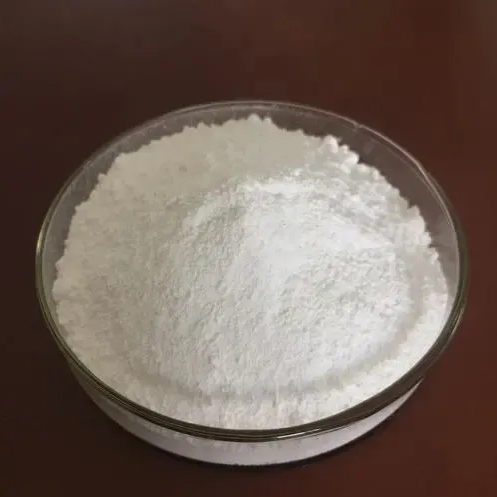
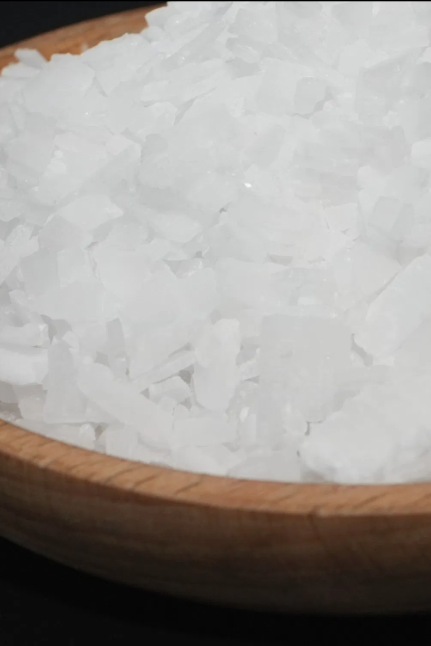
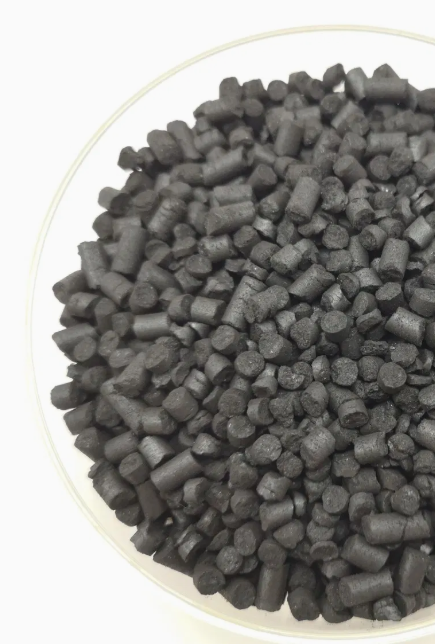
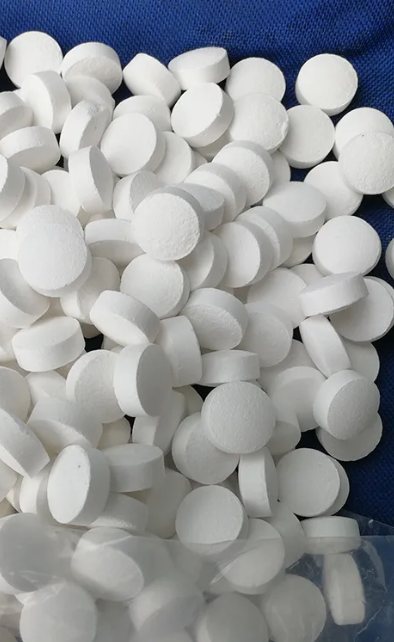
- Diverse Specifications for Various Industrial Scenarios: We offer multiple particle sizes, including powder and granular forms. Whether you utilize it as a production intermediate for downstream TCCA/SDIC or apply it directly in end-use water treatment formulations, our products fit perfectly.
- Strict Quality Control & Compliance Support: Our products undergo rigorous international quality certifications with minimal impurity levels. This ensures engineers get predictable and stable performance during formulation design, seamlessly passing regulatory inspections such as EPA or NSF in various countries.
- Comprehensive Hazardous Ocean Freight & Supply Chain Management: Given the specific nature of chemical logistics in international trade, Kemdon boasts an experienced hazardous goods handling team. We ensure every step—from packaging and booking to customs clearance—fully complies with the latest maritime safety regulations, keeping your supply chain risk-free.
To request the latest Technical Data Sheets (TDS), Material Safety Data Sheets (MSDS), or bulk pricing quotes, please visit our official website at www.qdkemdon.com or contact our sales engineering team directly.