
Innovative Applications and Technological Breakthroughs of Trichloroisocyanuric Acid (TCCA) in Advanced Industrial Cooling Water, Disaster Emergency Sanitation, and Textile Effluent Treatment
In modern industrial processing, public health biosecurity, and environmental engineering, high-efficiency water purification and sustained microbial control represent the primary defense for operational continuity and ecological compliance. As a high-potency solid organic chlorine agent with superior active chlorine density, Trichloroisocyanuric Acid (TCCA) is rapidly evolving beyond classical swimming pool maintenance and municipal water treatment. Driven by its unique cyanuric acid ring structure and controlled hydrolysis characteristics, TCCA is opening up high-value frontiers in heavy industrial infrastructure, high-salinity organic wastewater, and rapid disaster response environments.
1. Biofilm Stripping in Complex Industrial Cooling Systems and Antifouling for Power Plant Circuits
In heavy cooling circuits servicing petrochemical refineries, power generation plants, and metallurgical complexes, the rapid buildup of biological slime (biofilm) severely impedes heat exchanger thermal efficiency and induces severe Microbiologically Influenced Corrosion (MIC). Conventional inorganic liquid hypochlorites degrade prematurely in open systems and fail to penetrate the thick Extracellular Polymeric Substance (EPS) matrix shielding bacterial colonies.
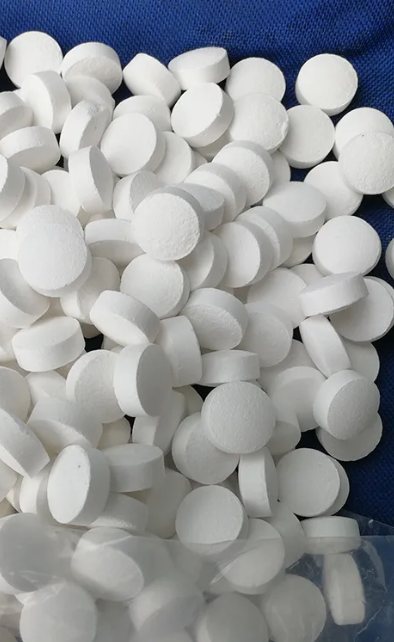
High-purity Trichloroisocyanuric Acid Tcca 90 hydrolyzes to produce uncharged hypochlorous acid molecules capable of diffusing directly through the protective lipid-polysaccharide outer layers of biofilms. This allows targeted destruction of underlying anaerobic sulfate-reducing bacteria (SRB) and iron-oxidizing microbes. Simultaneously, the residual cyanuric acid acts as a natural UV stabilizer, preventing chlorine loss under intense sunlight or elevated process temperatures. In coastal power stations utilizing high-salinity seawater or northern industrial circuits facing freezing operational stresses, specialized Chlorine Tablets Tcca Chemical dosing delivers exceptionally stable antimicrobial release, executing both deep biofilm stripping and long-term inhibition of bio-fouling.
2. Advanced Decolorization and Electrochemical Synergistic Nitrogen Removal in Textile Dyeing Wastewater
Textile dyeing wastewater is notoriously difficult to treat due to dense concentrations of synthetic azo dyes, complex aromatic chromophores, and refractory organic auxiliaries. These effluents exhibit extreme color intensity and chemical oxygen demand (COD) that frequently cause bio-filter toxicity and sludge bulking in biological treatment stages.
Utilizing its exceptional oxidative potential, Tcca Tablets serve as an advanced oxidizing agent in heterogeneous decolorization reactors. Upon dissolution, active hypochlorous acid attacks the conjugated double bonds (such as azo linkages) responsible for color emission, rapidly degrading chromophores into non-colored intermediates. In cutting-edge wastewater treatment layouts, combining TCCA with electrochemical oxidation or micro-electrolysis prevents electrode passivation and accelerates the breakdown of recalcitrant ammonia-nitrogen and heterocyclic contaminants. This chemical pathway converts complex toxic macromolecules into bio-available short-chain organic acids, providing a cost-effective, low-energy methodology for textile and fine chemical effluent remediation.
3. High-Pressure Slow-Release Dry Formulations for Transoceanic Marine Sanitation and Disaster Relief
In oceanic vessel ballast water management, trans-continental cold-chain container sanitation, and rapid epidemic prevention following flooding or seismic events, liquid disinfectants present major logistical burdens due to their high bulk volume, prohibitive shipping costs, and container leakage hazards.
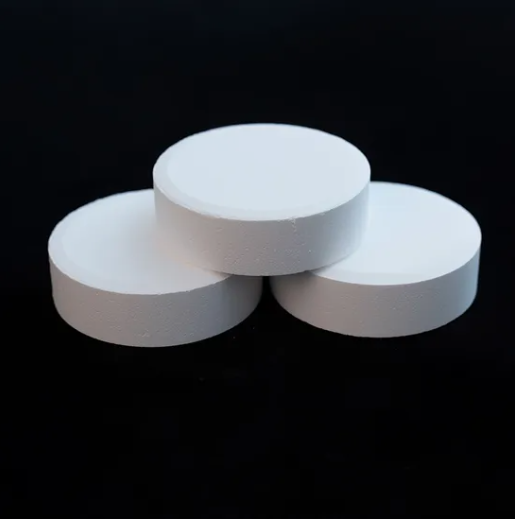
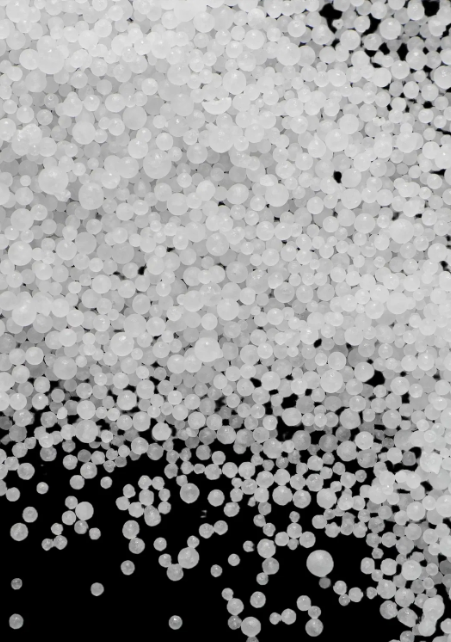
Advanced Tcca 90 Uses leverage high-density dry granulation and high-pressure tableting to yield compact tablets and slow-release solid modules with maximum active ingredient density. These solid media require no powered dosing pumps or complex electrical controls; when placed inside passive fluid dispensers, they rely entirely on hydrodynamic erosion to achieve precise, milligram-level continuous release. This unique combination—dry long-term shelf storage, rapid dissolution upon water contact, and extended biosecurity duration—establishes solid TCCA as an irreplaceable strategic asset for shipboard ballast water treatment, emergency drinking water purification in disaster zones, and broad-spectrum environmental decontamination.