

Master the Math: How to Calculate the Right Calcium Hypochlorite Dosage for Industrial and Pool Disinfection
For procurement managers and chemical engineers, sourcing high-quality water treatment chemicals is only half the battle. The real challenge lies in daily operations: How do you calculate the exact dosage to ensure maximum disinfection without wasting budget or damaging equipment?
Calcium Hypochlorite, especially the high-purity Chlorine 70 Calcium Hypochlorite, is widely favored for its powerful oxidizing properties and stability. However, because it is an active chemical agent, a "one-size-fits-all" approach to dosing simply does not work. Under-dosing leads to bacterial outbreaks and algae growth, while over-dosing spikes your Calcium Hypochlorite Cost and risks corroding pipelines.
To achieve the perfect balance, engineers must look beyond the total volume of water and focus on three critical variables: Target Free Available Chlorine (FAC), Water Quality/Demand, and the Product Purity.
Step 1: Determine Your Target Free Chlorine (FAC)
Different applications require different residual chlorine levels to maintain safety standards:
- Swimming Pools: Typically require a constant FAC level of 1.0 to 3.0 ppm (parts per million).
- Drinking Water Purification: Usually requires 0.2 to 1.0 ppm at the tap.
- Industrial Cooling Towers: Often need periodic shock treatments reaching up to 5.0 ppm or higher to eliminate bio-films.
Step 2: Account for "Chlorine Demand"
This is where many calculations go wrong. If you are treating clean, filtered pool water, the chlorine demand is low. However, if you are treating raw surface water or industrial recycling water with high organic matter, a significant portion of the chlorine will be consumed instantly by neutralizing these impurities before it can even begin to disinfect. Therefore, engineers must test the initial chlorine demand of the water matrix to adjust the final dosing weight.
Step 3: From Powder to Liquid – Preparing the Solution
In practical applications, dosing pumps rarely inject dry granules directly into large systems. Instead, facilities prepare a Calcium Hypochlorite Solution For Disinfection.
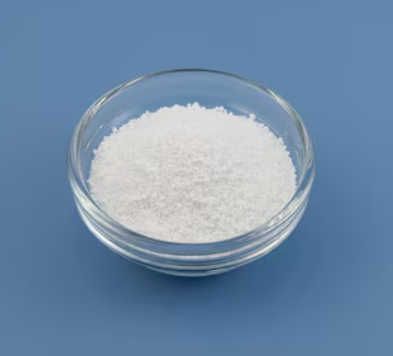
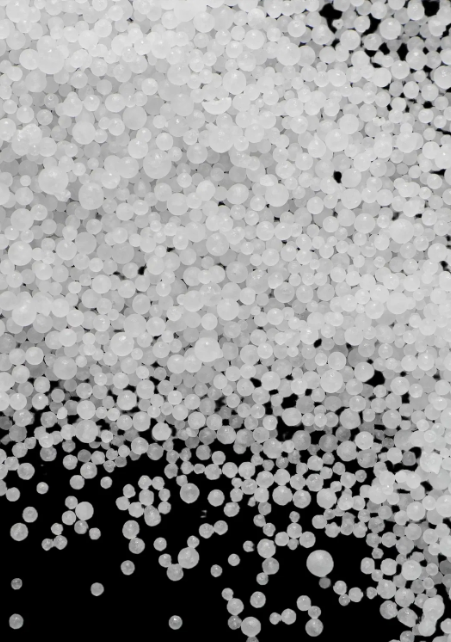
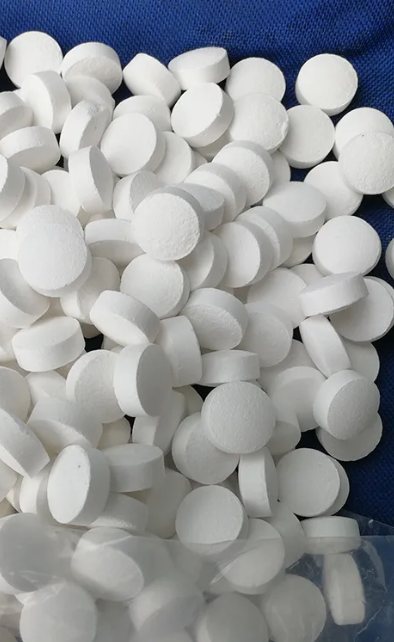
When using Calcium Hypochlorite 70 Granular, you must remember that only 70% of the total weight is active available chlorine. To prepare a standard stock solution, the granules must be fully dissolved in water, and the insoluble residues (calcium carbonate compounds) should be allowed to settle before the clear liquid is metered into the main water stream.
By standardizing this calculation process based on chemical purity and real-time water demand, B2B buyers can drastically reduce chemical waste, extend equipment lifespan, and keep operational budgets under strict control.