

Navigating Global PFAS Regulatory Limits: Strategic Adoption of Premium Activated Carbon in Advanced Water Treatment and Gas Purification
As the European Union tightens its REACH standards and the U.S. Environmental Protection Agency enforces historically stringent limits on per- and polyfluoroalkyl substances (PFAS, known as "forever chemicals") in drinking water and industrial effluents, the global filtration and industrial purification sectors are experiencing a fundamental shift. Traditional low-grade carbon media can no longer satisfy modern compliance audits when tasked with removing ultra-low concentration, highly persistent micro-pollutants.
For international water utilities, engineering, procurement, and construction (EPC) contractors, and chemical distributors, purchasing decisions have evolved beyond simple per-ton price evaluations. They now focus squarely on targeted pore-size distribution, mechanical attrition resistance under harsh operating conditions, and supply chain sustainability.
Directed Micropore Engineering: Overcoming Trace Contaminant Removal Challenges
In modern deep tertiary Water Treatment and municipal water facility upgrades, the core operational challenge has shifted from basic COD reduction to the precision capture of trace organics, pharmaceutical residues, and PFAS.
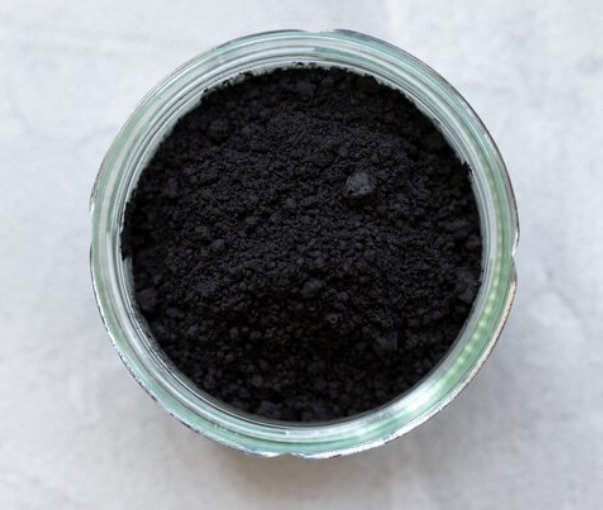
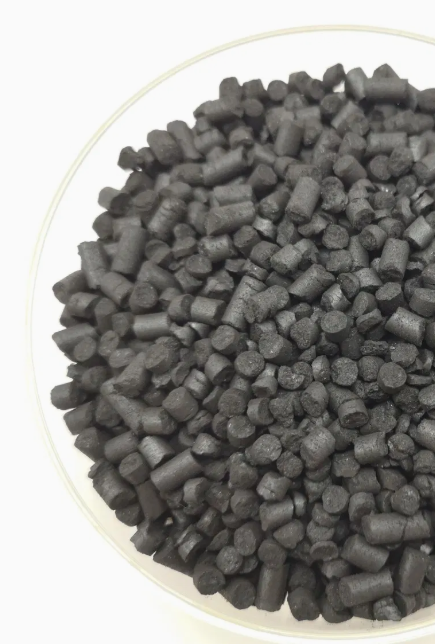
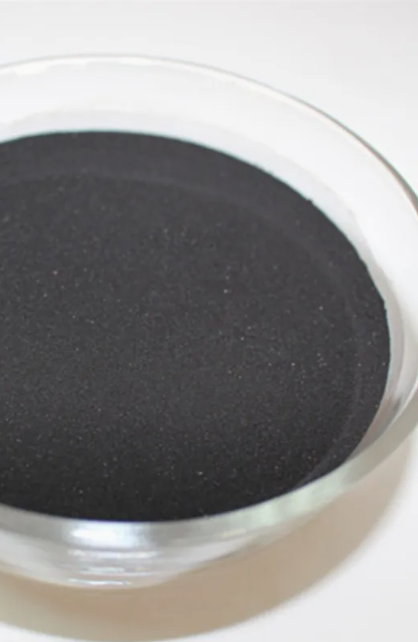
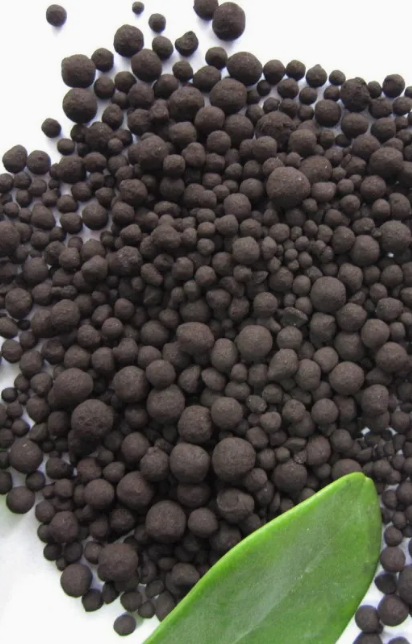
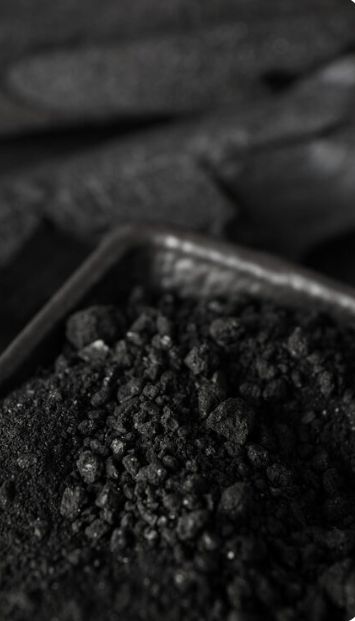
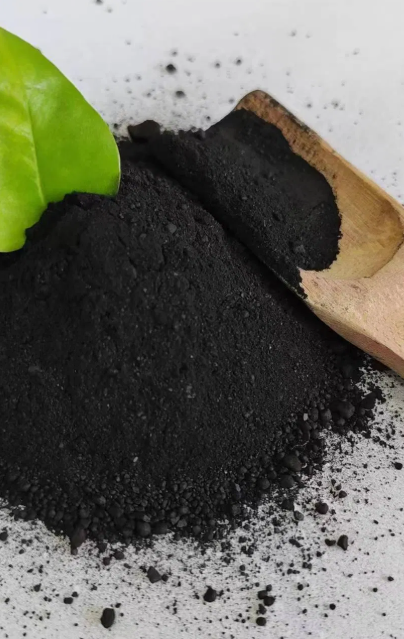
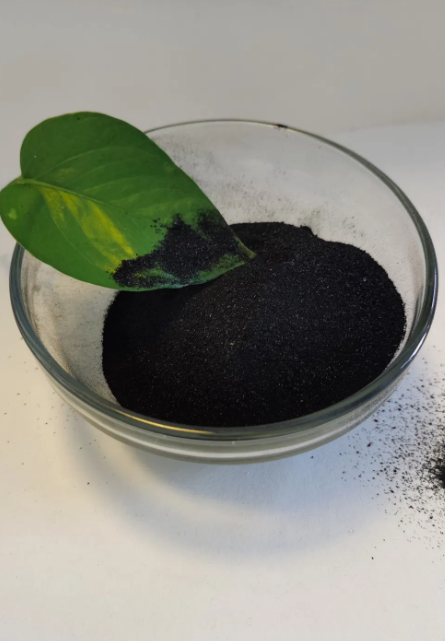
The target contaminant retention efficiency directly relates to the iodine number and the volumetric uniformity of microporous structures. Achieving precise thermal and steam activation controls yields materials with exceptionally high specific surface areas dominated by micropores under two nanometers. High-purity Coconut Shell Activated Carbon excels in this domain, providing a dense molecular network capable of rapidly trapping polar and non-polar trace compounds while maintaining low pressure drops. For water engineers, employing High Iodine Value Granular Activated Carbon translates directly to extended bed breakthrough lifetimes, lower replacement frequencies, and reduced operating costs per cubic meter of treated water.
Air Emission Control under Ultra-Low Discharge Standards
In industrial off-gas treatment and commercial purification systems, capturing low-concentration volatile organic compounds (VOCs) and complex odors presents dual technical hurdles: high ambient humidity interference and gas-flow resistance.
Advanced Air Purification Carbon products overcome these barriers through targeted surface functional group modifications and enhanced hardness ratings. These improvements ensure high adsorption selectivity for target molecules even in humid gas streams. Superior abrasion resistance prevents particle dusting and secondary pollution under high-velocity airflow, enabling heavy-duty gas scrubbers and air filtration units to continuously meet stringent zero-emission mandates.
Ensuring Lifecycle Compliance and Resilient Global Supply Networks
For international buyers, material performance must be paired with a fully traceable, resilient supply chain. From raw material sourcing and carbonization controls to standardized packaging that meets international maritime safety requirements regarding self-heating risk exclusions, a transparent quality management system is essential.
In response to global decarbonization mandates, manufacturers offering both technical innovation and consistent supply capacity empower overseas partners to navigate complex environmental regulations while maintaining a competitive and resilient supply line.