



Navigating Global Water Treatment: A Comprehensive Guide to TCCA Applications and Maritime Compliance
As environmental regulations and industrial water recycling standards tighten globally, international chemical buyers and water treatment engineers face growing pressure to optimize their disinfection processes. Under increasingly stringent frameworks such as US EPA registrations and EU REACH compliance, selecting the optimal solid chlorine sanitizer requires a deep evaluation of active chlorine loss, storage safety, logistics compliance, and long-term operational efficiency.
Uncovering the Hidden Bottlenecks of Traditional Disinfectants
For decades, liquid chlorine and low-concentration sodium hypochlorite have dominated municipal and industrial water treatment. However, liquid chlorine brings significant hazardous material storage risks, while liquid bleach suffers from rapid degradation during transit and storage, especially in warmer climates. These drawbacks translate into inflated shipping costs and unstable dosing results.
Engineers and procurement teams often report chronic issues with traditional products, including high labor costs due to frequent re-dosing, as well as operational corrosion caused by sharp pH fluctuations in system water. Consequently, the industry has shifted toward high-purity solid chlorinating agents that offer predictable solubility and high resistance to environmental breakdown.
Innovative Chemistry and Practical Utility of Trichloroisocyanuric Acid
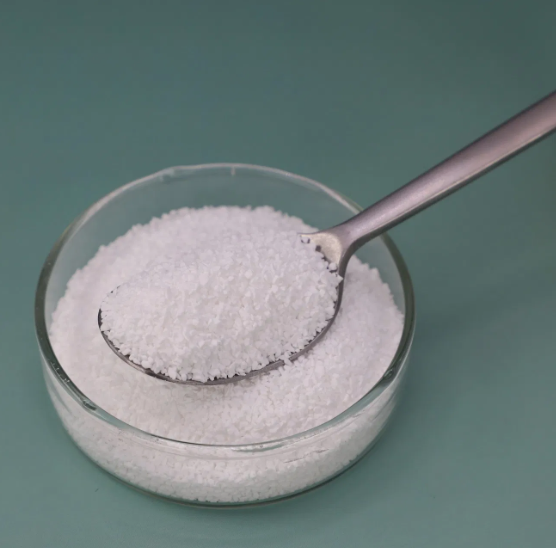
Among modern organic chlorinating agents, Trichloroisocyanuric Acid stands out due to its high theoretical active chlorine content (up to 90%). Unlike basic inorganic chlorine sources, Trichloroisocyanuric Acid releases free available chlorine progressively while generating cyanuric acid as a built-in stabilizer. This synergistic mechanism prevents rapid chlorine decay caused by ultraviolet radiation in outdoor facilities and high-temperature cooling towers.
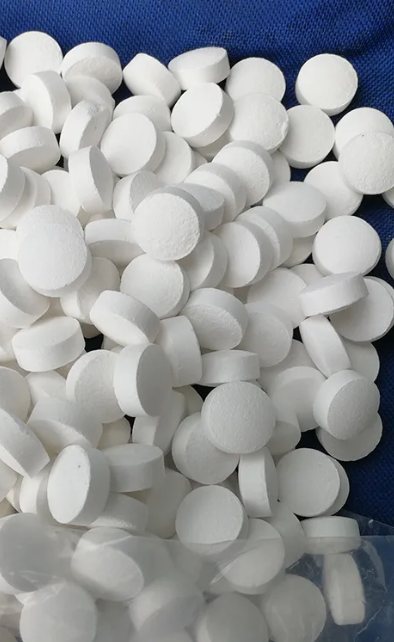
In modern automated dosing setups, engineers increasingly specify Trichloroisocyanuric Acid Tablets for continuous, low-maintenance chlorination. Slow-dissolving Tcca 90 Tablets placed in inline feeders or skimmer baskets provide consistent disinfectant residual levels without manual intervention. This precise control reduces biofouling on heat exchanger surfaces, preserving thermal efficiency and lowering energy expenditure across power plants, chemical manufacturing facilities, and commercial water parks.
Navigating Hazardous Freight Logistics and Regulatory Compliance
Because Trichloroisocyanuric Acid Uses fall under UN Class 5.1 oxidizers (UN 2468), international supply chain management requires strict compliance with maritime dangerous goods regulations (IMDG Code). Cargo packaging must withstand tropical humidity, thermal exposure, and extended sea transit without loss of active content or container deformation.
For global importers, sourcing material with verified EPA registration, REACH clearance, and NSF/ANSI Standard 60 certifications is critical to avoiding customs hold-ups and regulatory penalties. Ensuring that packaging conforms to UN-certified drums with moisture-proof liners eliminates transit degradation and guarantees consistent chemical efficacy upon arrival.
Looking Ahead
As water conservation and energy efficiency remain top priorities for global industry, high-purity solid chlorination solutions provide a reliable, cost-effective, and scalable pathway forward. By matching product specifications—such as tablet size and dissolution rates—to specific operational demands, businesses can achieve robust microbiological control while maintaining full international regulatory compliance.