




Navigating the New Era of Water Purification: Global Environmental Compliance, Supply Chain Stability, and the Technical Selection of Carbon Media
Introduction: The Changing Landscape of Global Water Treatment
The landscape of global industrial water management is undergoing a profound regulatory transformation. As environmental agencies worldwide tighten boundaries on discharge limits, water treatment engineers and procurement chemical specialists are forced to re-examine their filtration infrastructures. In the past, purchasing decisions for filtration consumables were driven almost entirely by upfront transactional costs. Today, however, compliance with rigorous international standards—such as the United States Environmental Protection Agency (EPA) mandates, NSF/ANSI certifications, and European chemical oversight frameworks—has become the primary driver of procurement strategy.
For facilities operating advanced purification loops, the presence of emerging contaminants like per- and polyfluoroalkyl substances (PFAS), microplastics, and complex industrial solvents presents a severe operational challenge. Addressing these persistent compounds requires a deep technical understanding of adsorption chemistry. This article explores how modern regulatory shifts are reshaping the utilization of carbon materials and outlines the critical engineering parameters needed to maintain both environmental compliance and operational efficiency.
The Core Mechanics: Adsorption Dynamics and Pore Engineering
At the heart of chemical separation technology lies the physical and chemical adsorption capacity of carbonaceous materials. When sourcing Activated Carbon for high-volume filtration systems, it is insufficient to simply treat the material as a commoditized black powder or aggregate. The effectiveness of the medium depends entirely on the activation process, which dictates the total surface area and the internal pore size distribution.
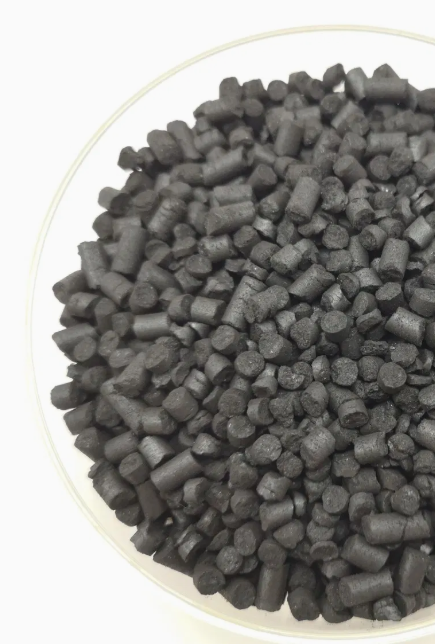
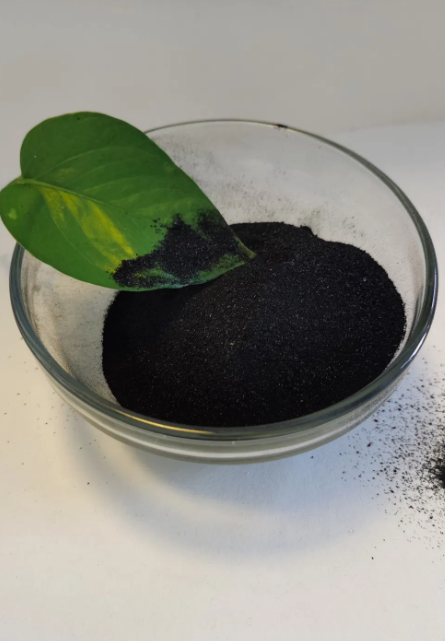
In municipal and industrial infrastructures, Granular Activated Carbon is typically deployed in fixed-bed adsorbers. The granular nature allows for a continuous fluid flow with manageable hydraulic resistance. As water moves through the packed bed, contaminants migrate from the bulk liquid phase, diffuse into the carbon particles through the macropores and mesopores, and finally become trapped within the dense micro-pore network.
To quantify this internal trapping network without running destructive, time-consuming pilot tests on every batch, the industry relies on standardized chemical indicators. A verified High Iodine Value is widely accepted by engineers as the primary proxy for exceptional micro-porosity. An iodine number exceeding 1000 or 1100 mg/g signifies that the carbon possesses an incredibly vast internal surface area per gram, making it optimized for stripping trace organic pollutants, taste, and odor molecules from the incoming stream. For procurement officers, verifying this technical specification through third-party laboratory reports is a crucial step in ensuring that the batch delivered will live up to the projected operational lifespan.
Compliance, Certifications, and Upstream Quality Control
As supply chains globalize, verifying the pedigree of Water Treatment Plant Chemicals has taken on a new layer of urgency. Regulatory bodies now demand strict tracking of raw materials to prevent cross-contamination during the carbonization and thermal activation stages. If a manufacturer processes carbon using contaminated kilns or sub-standard water sources for cooling, the finished product can leach heavy metals, such as arsenic or lead, back into the treated water matrix.
This risk highlights the necessity of implementing media that holds valid NSF/ANSI Standard 61 certification, which specifically regulates system components to ensure they do not introduce harmful levels of contaminants into drinking water. For industrial facilities that discharge back into public water systems, utilizing fully certified materials acts as an insurance policy against catastrophic compliance failures and devastating financial penalties.
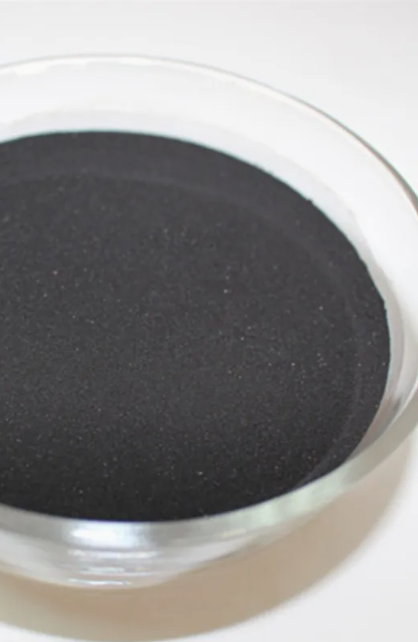
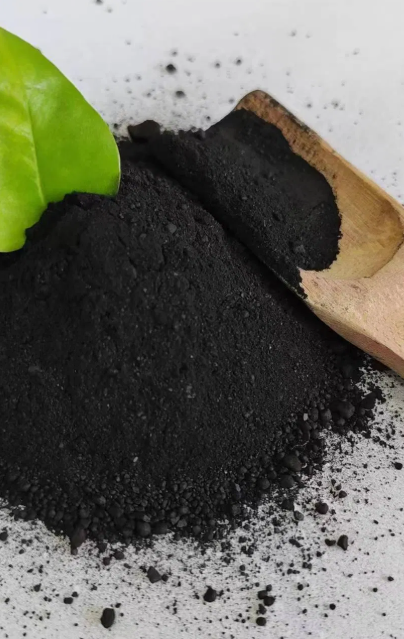
Furthermore, understanding the specific application limits of different carbon forms is critical. While granular media is favored for continuous, long-term filtration, specialized processes facing sudden spikes in chemical concentrations often rely on the rapid kinetic response of Powdered Activated Carbon. This powdered variant offers an incredibly rapid mass transfer rate due to its tiny particle size, allowing plant operators to inject the media directly into clarification basins during seasonal organic blooms or sudden industrial chemical spills upstream.
Conclusion: Strategic Sourcing for Tomorrow's Standards
As environmental scrutiny intensifies throughout 2026 and into the coming decade, true supply chain sustainability will separate resilient enterprises from failing ones. Partnering with professional chemical exporters who maintain strictly controlled thermal activation processes and provide transparent technical datasheets is no longer optional. By aligning high-purity product specifications with proactive system engineering, industrial operators can comfortably guarantee regulatory compliance, minimize operational downtime, and safeguard our shared water resources.