Novel Application of Calcium Hypochlorite in Ultra-Low Temperature Disinfection and Long-Term Protection for Extreme Environments
As modern industrial operations and scientific research venture into deeper oceanic zones, polar territories, ultra-high-pressure regimes, and severely contaminated industrial wastewater streams, constructing reliable biosecurity and water purification barriers faces unprecedented chemical and engineering hurdles. Traditional liquid sodium hypochlorite and cyanuric acid derivatives consistently fall short under high salinity, high hydrostatic pressure, sub-zero temperatures, and severe shear stresses—exhibiting rapid active-ingredient degradation, severe transport vulnerabilities, hazardous secondary byproduct accumulation, and elevated container failure risks. Against this backdrop, engineered crystal structures and controlled-release formulations of high-purity Calcium Hypochlorite are transcending routine swimming pool sanitation and municipal wastewater treatment. Instead, they are pioneering breakthroughs in deep-sea biofouling mitigation, biosafety protocol in advanced Aquaculture Recirculating Systems (RAS), electrochemically assisted catalytic oxidation of recalcitrant industrial effluents, and zero-trace epidemic prevention in freezing wilderness zones.
1. Overcoming Biofouling and Microbiologically Influenced Corrosion in Deep-Sea Offshore Engineering
Subsea infrastructure, including off-shore oil platforms, submarine pipelines, and deep-sea mining apparatus, operates under relentless high-pressure, high-salinity, and low-temperature conditions. Seawater cooling circuits and structural surfaces are chronically vulnerable to biofouling by barnacles, mussels, and microalgae. Left unchecked, this bio-accumulation drastically increases hydrodynamic drag and triggers aggressive Microbiologically Influenced Corrosion (MIC) on metallic alloys. Conventional antifouling coatings peel rapidly under immense hydrostatic pressures, while dosing gaseous chlorine or volatile liquid disinfectants at extreme ocean depths is technically impractical.
Solid Calcium Hypochlorite engineered with high crystalline mechanical density and coated in pressure-resistant polymeric micro-capsules provides a novel solution. When deployed to seabed operating zones hundreds or thousands of meters underwater, these modified granules utilize osmotic pressure differentials to achieve precision-controlled release of active hypochlorous acid (HClO) molecules over extended timeframes. The released hypochlorous acid rapidly permeates the cellular membranes of planktonic larvae and algal spores, denaturing their adhesive holdfast proteins before structural attachment can occur. Concurrently, free calcium ions released during the dissolution process react with marine carbonates to form a microscopic passivation layer on metal substrates, yielding a synergistic dual benefit: high-potency biocidal performance combined with structural mitigation of microbial corrosion.
2. Advanced Catalytic Oxidation and Toxicity Elimination in Complex Industrial Effluents
Wastewater generated by fine chemical, coking, and coal gasification industries typically contains dense concentrations of recalcitrant heterocyclic compounds, free cyanides, and complex sulfides. These effluents prove toxic to standard biological wastewater treatment facilities, while conventional Fenton processes or ozone oxidation demand prohibitive capital investments and energy inputs.
By leveraging the powerful oxidation potential of solid hypochlorite chemistry under heterogeneous catalytic frameworks, engineers have developed high-efficiency Calcium Hypochlorite Solution For Disinfection and advanced oxidation process (AOP) systems. In neutral or slightly acidic aqueous media, dissolved hypochlorous acid exhibits an elevated redox potential. When exposed to heterogeneous catalysts, it generates non-selective reactive oxygen species, including hydroxyl radicals (·OH) and singlet oxygen (¹O₂). These radicals rapidly cleave the aromatic rings and complex functional groups of toxic recalcitrant pollutants, converting complex aromatics into biodegradable organic acids, carbon dioxide, and water. Compared with liquid oxidizers, solid hypochlorite dry blends eliminate the need for expensive anti-corrosive, explosion-proof storage infrastructure, significantly reducing operational hazards and lifecycle costs in hazardous liquid waste processing.
3. Eco-Friendly Biosafety Barriers in Recirculating Aquaculture Systems (RAS) and Sub-Zero Climates
To meet the rising global demand for aquatic protein, land-based Recirculating Aquaculture Systems (RAS) are expanding rapidly worldwide. However, high-density fish and shellfish cultivation remains acutely susceptible to sudden outbreaks of Vibrio, Pseudomonas, and various saprolegniasis water molds. Because closed-loop aquatic environments are exceptionally sensitive to residual toxicity, conventional broad-spectrum antibiotics are strictly regulated or banned outright. Furthermore, in sub-zero or high-latitude winter operations, low water temperatures severely retard the kinetic reaction rates of standard chemical disinfectants.
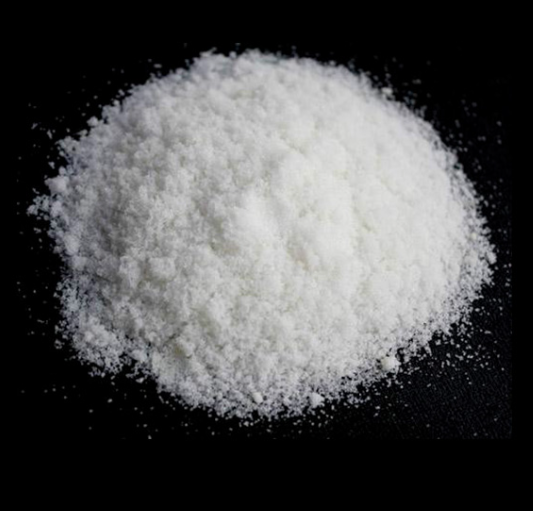
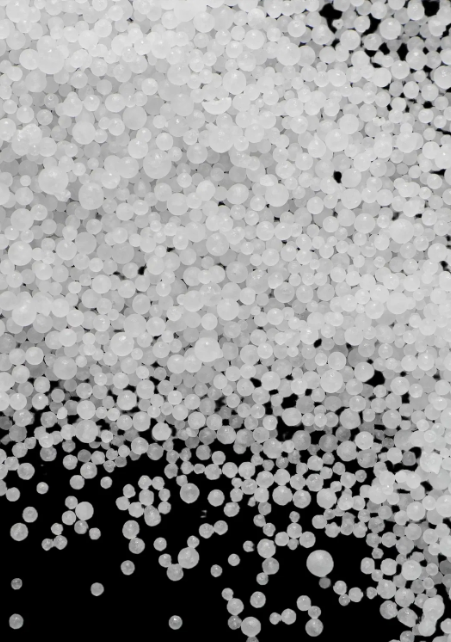
High-purity Calcium Hypochlorite 70 Granular products demonstrate unique dissolution and biocidal kinetic properties in freezing waters. The dissolution process exhibits a mild exothermic enthalpy change, which locally enhances molecular diffusion around target pathogens. More importantly, upon completing its rapid broad-spectrum antimicrobial action, the primary residual breakdown products consist almost entirely of trace calcium and chloride ions. These ionic species serve as essential mineral nutrients that help maintain overall water hardness and osmotic balance for aquatic species, leaving zero persistent organochlorine residues and posing no risk to nitrifying bacterial colonies inside biofilters. This triad of virtues—broad-spectrum efficacy, non-toxic final residues, and beneficial mineral supplementation—establishes solid calcium hypochlorite as a cornerstone chemical for sustainable aquaculture biosecurity.
4. International Supply Chain Safety, Regulatory Compliance, and Overall Calcium Hypochlorite Cost Optimization
Classified as a Class 5.1 oxidizing substance under international dangerous goods codes, solid hypochlorite derivatives are subject to rigorous regulatory oversight during maritime and overland transit by the International Maritime Organization (IMO) and United Nations (UN) authorities. In response to historically documented thermal runaway risks during long-distance tropical shipping, global regulatory bodies have raised the compliance threshold for moisture content, granulation uniformity, and thermal stability.
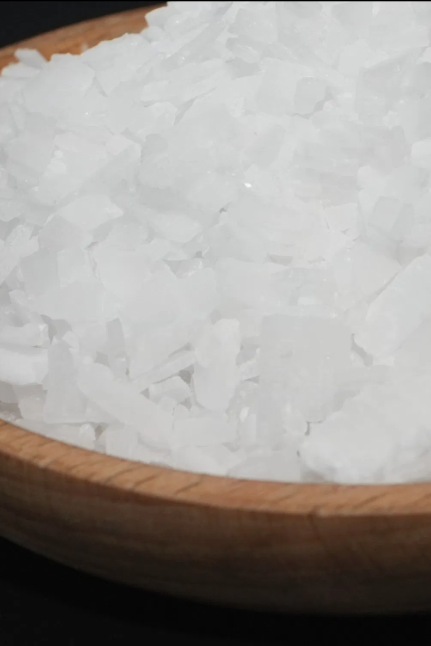
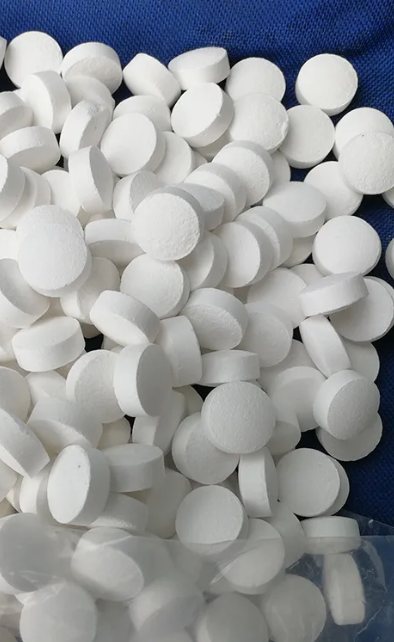
The adoption of modern sodium-process manufacturing paired with fluid-bed thermal granulation technologies has dramatically improved the internal particle density and thermal resistance of modern granular products. High-grade Calcium Hypochlorite Use in industrial applications dramatically lowers the thermodynamic risk of self-accelerating thermal decomposition during transoceanic transit. This structural stability minimizes dangerous goods shipping surcharges, reduces insurance premiums, and ensures strict compliance with international drinking water standards (such as NSF/ANSI 60 and European EN 900 certifications). For global water utility conglomerates, mining operators, and ocean-going fleets, these technological advancements translate directly into superior regulatory safety, diminished supply-chain friction, and an optimized overall Calcium Hypochlorite Cost structure over long-term procurement cycles.