
Optimizing Industrial Filtration Efficiency: A Complete Guide to Coconut Shell Activated Carbon in Modern Water Treatment
In today’s global industrial manufacturing and municipal environmental physics, water purification and regulatory compliance are facing unprecedentedly strict oversight. For purchasing managers and environmental engineers worldwide, a perpetual pain point is how to maximize the lifespan of filter media and reduce replacement costs while ensuring the stable operation of filtration systems. Among numerous water treatment materials, high-performance activated carbon has become an indispensable core choice due to its excellent physical adsorption capabilities.
Understanding Core Metrics: Why High Iodine Value Determines Adsorption Lifespan
In practical procurement and engineering design, many companies frequently encounter problems such as rapid breakthrough of the carbon bed, or the frequent need for system backwashing and media replacement. This often stems from neglecting the micropore structure and adsorption capacity metrics of the material. The iodine value is a critical parameter measuring the development of micropores in activated carbon. A High Iodine Value indicates an extremely high specific surface area and a dense network of micropores within the material, allowing it to more efficiently trap free chlorine, volatile organic compounds (VOCs), and various trace organic pollutants.
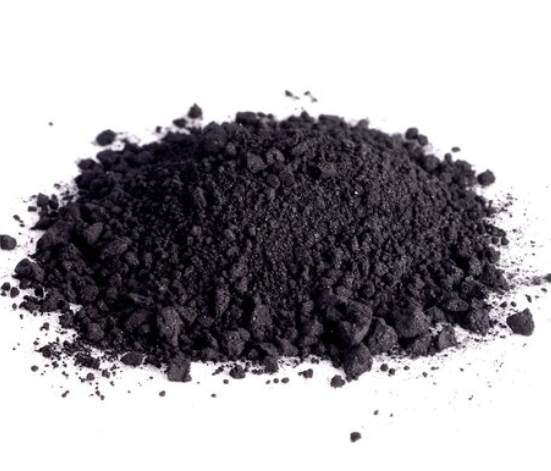
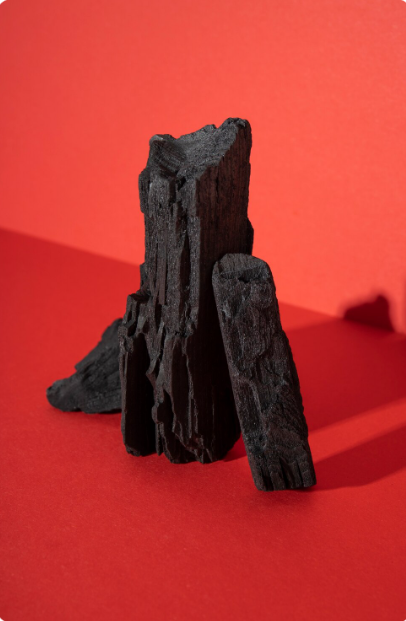
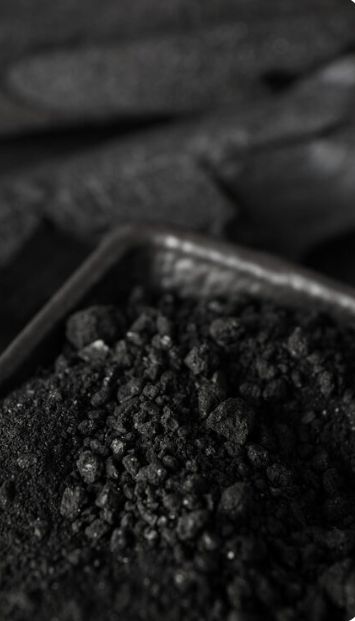
Selecting the right raw material is the first step toward enhancing system stability. Compared to traditional coal-based carbon, Coconut Shell Activated Carbon features naturally superior and more developed micropore structures. After high-temperature steam activation, this material not only provides an exceptional adsorption capacity but also boasts high mechanical strength and excellent wear resistance. It does not easily pulverize under long-term water flow and backwashing, effectively avoiding the risks of increased system pressure drop and excessive particulate matter in the effluent.
Solving Engineer Pain Points: Practical Application of Granular Media in Water Treatment
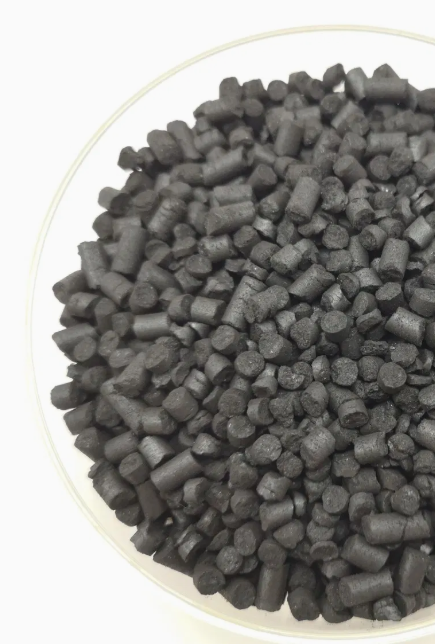
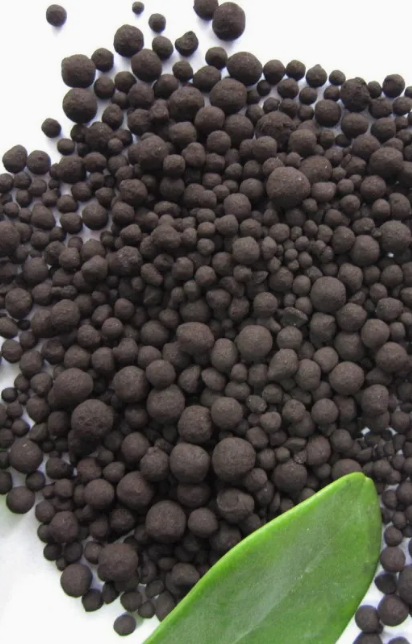
For engineers designing and maintaining filtration facilities, choosing the appropriate physical form is vital. Granular Activated Carbon media has demonstrated outstanding hydraulic performance in continuous-flow filtration systems. In large-scale industrial wastewater reuse and advanced water purification processes, fixed-bed adsorption towers are the most common configuration.
During actual operation, engineers must pay close attention to the packing density of the bed, the empty bed contact time (EBCT), and the expected service life. High-quality Carbon Filter Media ensures uniform water flow channels, minimizing the occurrence of channeling, thereby ensuring that every layer of the carbon bed is fully utilized. This not only extends the runtime of a single cycle but also significantly reduces indirect production costs caused by frequent shutdowns for media replacement.
Moving Toward International Standards: Compliance and Supply Chain Stability
As global requirements for environmental supply chain compliance become stricter, international buyers consider more than just product pricing when selecting an activated carbon supplier; they prioritize international certifications and long-term supply stability. Purification media manufactured to high standards ensures that effluent quality consistently meets local and international discharge or reuse standards, helping enterprises avoid legal and financial risks associated with water quality violations.
As a dedicated provider in the chemical and environmental water treatment sectors, QDKEMDON is committed to delivering high-quality, internationally compliant filtration solutions to global clients, helping businesses move forward steadily on the path of green transformation.