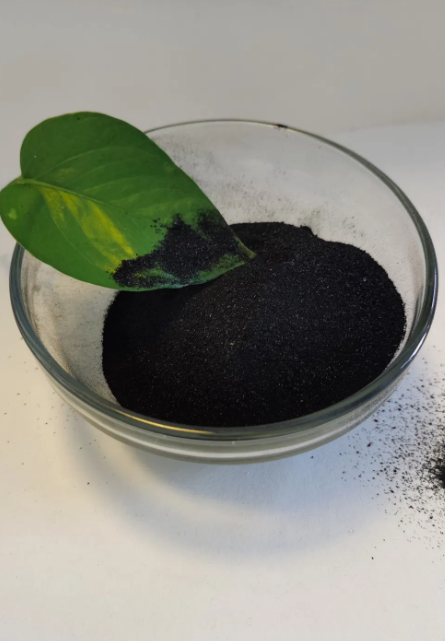
Overcoming Water Stress and Heavy Metal Toxicity in Aquaculture: Application and Selection Guide for Sodium Humate in Modern High-Density Farming
In modern aquaculture, particularly in intensive shrimp and fish farming, farmers and aquaculture engineers face increasingly complex water quality challenges. As stocking densities rise, feed residues, metabolic waste accumulation, and sudden weather fluctuations frequently lead to water deterioration, heavy metal accumulation, moss blooms, and sharp spikes in ammonia nitrogen and nitrite. These issues induce severe physiological stress in aquatic animals and often trigger widespread disease outbreaks.
As a natural organic macromolecular polyhydroxy carboxylic acid salt, Sodium Humate has become a vital solution in Pond Water Treatment and ecological restoration. However, during procurement and engineering implementation, many buyers and technicians view it merely as a basic shading agent or dye, overlooking its core molecular-level advantages in water-bottom conditioning, heavy metal complexation, and intestinal micro-ecological balance.
1. Beyond Traditional Conditioners: The Mechanism of Action
Traditional water treatment products (such as potassium monopersulfate, harsh chemical disinfectants, or inorganic coagulants) primarily focus on short-term sterilization or physical precipitation. These methods often fail to address root causes and can disrupt the natural ecological balance, leading to sudden microalgae crashes ("crash of algae").
In contrast, high-grade Sodium Humate features a unique macromolecular network structured with abundant active functional groups, such as carboxyl and phenolic hydroxyl groups. These functional groups provide exceptional ion exchange and complexation capabilities:
- Effective Complexation of Heavy Metals: Free heavy metal ions like copper, lead, and cadmium damage the respiratory and immune systems of aquatic species. Sodium Humate binds with these ions to form stable, non-toxic or low-toxicity complexes, rapidly reducing environmental toxicity.
- Physical Shading and Algae Suppression: When dissolved, it imparts a natural dark reddish-brown hue that blocks excessive ultraviolet and light penetration. This tempers water temperature swings and physically inhibits benthic moss and toxic cyanobacteria proliferation, making it an effective Shrimp Farming Additive.
- Substrate Conditioning and pH Stabilization: Acting as a high-capacity Aquaculture Water Conditioner, it buffers pH fluctuations while adsorbing toxic ammonia and hydrogen sulfide at the pond bottom, preventing toxic gas emissions into the water column.
2. Buyer and Engineer Selection Guide: Evaluating Quality Standards
For international buyers and farm operations managers, commercial supply of Sodium Humate varies significantly in purity, solubility, and insolubles content. Low-quality grades fail to purify water effectively and can settle at the bottom, compounding organic pollution. When sourcing, evaluate these key parameters:
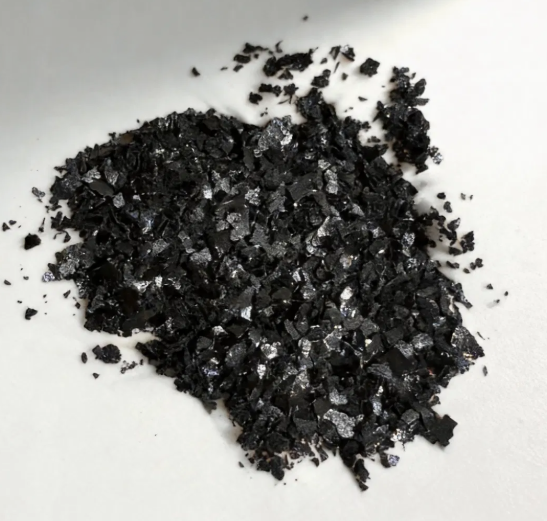
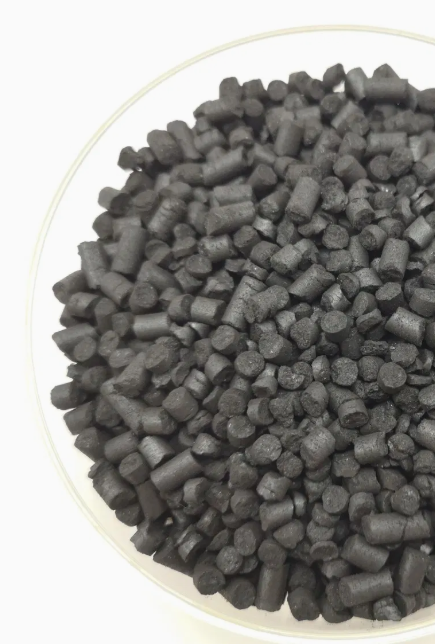
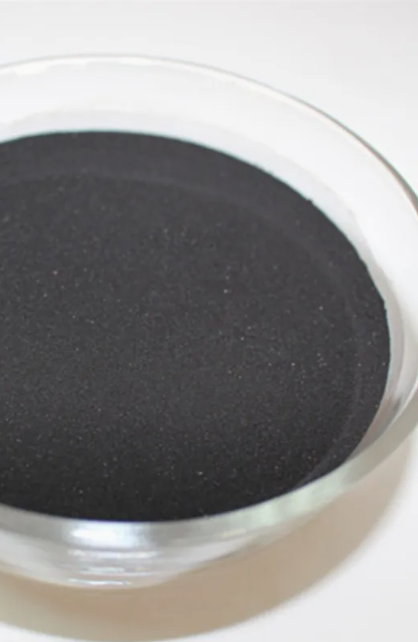
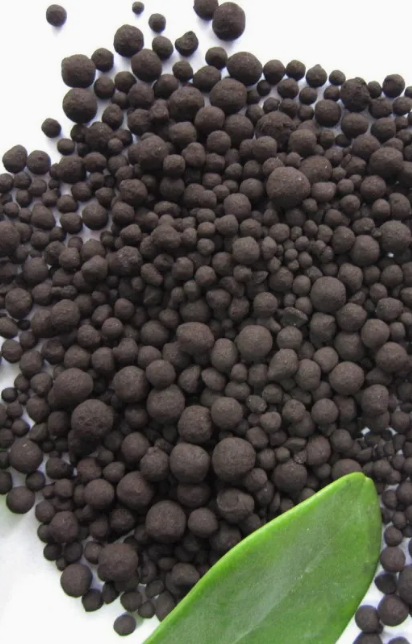
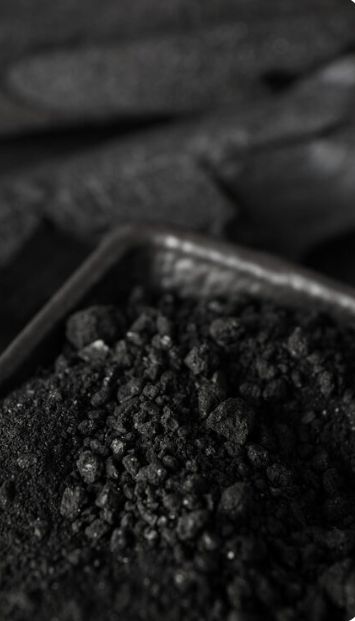
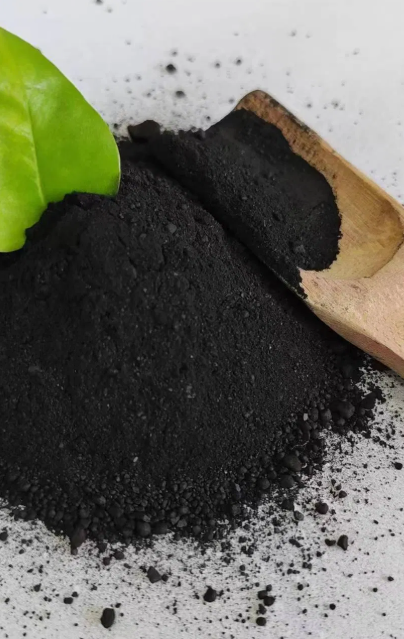
- Water Solubility and Residue Rates: Premium grades should achieve complete solubility (flake or crystal forms generally offer faster dissolution rates and lower insoluble residue compared to standard powders). The resulting solution must remain clear without sticky bottom sediment.
- Active Functional Group Content and Purity: Dry-basis humic acid content and the ratio of water-soluble humic substances directly dictate its performance in heavy metal binding and water conditioning. Ensure the specification conforms to high-purity aquaculture or technical standards.
- pH Stability and Trace Metal Safety: The raw product must maintain low trace metal impurities to prevent introducing secondary contamination into the pond system.
3. Innovative Application Protocols in Modern Aquaculture
- Stress Barrier During Shrimp Stocking and Post-Larvae Transfer :Applying water-soluble Sodium Humate during post-larvae stocking or post-heavy rainfall events quickly softens water, stabilizes transparency, and balances the buffering capacity, cutting stress-induced mortality significantly.
- ynergy in Biofloc Systems :In modern biofloc systems, it functions as a natural organic carbon supplement. Its porous structure offers ideal attachment surfaces for beneficial bacteria (such as Bacillus spp. and nitrifying bacteria), accelerating the establishment of a self-purifying ecosystem.
- Detoxification of Residual Pesticides and Algal Toxins: Following pond preparation or the application of harsh therapeutic agents, its adsorption properties neutralize residual toxins and cyanotoxins released by dying algae, preparing a safe environment for beneficial microalgal seeding.
Conclusion
As global aquaculture shifts toward eco-friendly, sustainable, and high-density operational models, reducing dependence on harsh synthetic chemicals is critical. Sodium Humate has evolved from a simple water colorant into a core strategic Aquaculture Water Conditioner for risk mitigation and water quality optimization. Selecting the precise grade tailored to specific water parameters remains essential for maximizing yield and maintaining operational stability.